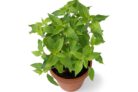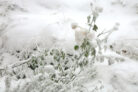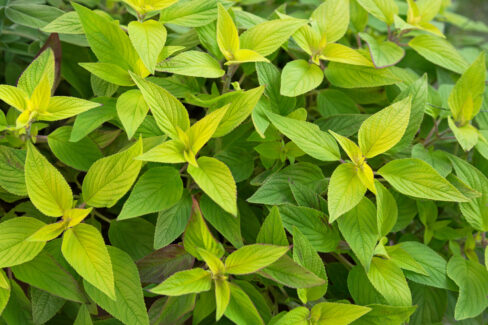
If you’ve ever brushed past Pineapple Sage (botanically known as *Salvia elegans*), you know exactly why it’s a garden favorite. Originally from Central America, this herb smells just like a fresh-cut pineapple and is popping up in more and more backyard gardens lately. While this hardy herb isn’t a fan of freezing winters, the good news is that it’s super easy to propagate!
What’s the best way to grow more Pineapple Sage?
You’ve got two main options: starting from seed or taking cuttings. To be honest, growing from seed can be a bit of a slow-motion project and a little finicky. If you want results fast, cuttings are definitely the way to go. You can take cuttings from fresh green stems or older woody ones, but the soft, green stems tend to root much faster.
How do I start it from seed?
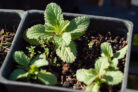
To get started, sow your seeds in moist seed-starting mix or herb soil, covering them with just a very thin layer of dirt. You’ll need to keep things cozy—aim for a constant temperature of at least 65°F (18°C). If you keep the soil consistently moist, you should see those first little sprouts popping up in about one to three weeks.
Since these seeds need warmth even at night, don’t try sowing them directly outside until much later in the season when the nights have truly warmed up. If you’re eager to get a head start, you can begin your indoor starts as early as March.
How do I take cuttings?
Summer is the perfect time for this. Snip off a fresh stem about three to four inches long. Strip off the lower leaves and pop the cutting into a glass of water. In about two weeks, you should start seeing roots. Pro tip: If you want to speed things up, loosely drape some clear plastic wrap over the glass to create a mini greenhouse effect.
Wait until those new roots are at least half an inch to an inch long before moving them into a pot with fresh herb soil. Since Pineapple Sage isn’t winter-hardy, make sure you overwinter your young plants in a frost-free spot indoors.
Quick Summary:
- Start seeds indoors beginning in March.
- Germination temperature: 65°F to 72°F (18°C–22°C).
- Germination time: roughly 1 to 3 weeks.
- Cuttings are the easiest way to propagate.
- Soft, green stems root faster than woody ones.
Quick Tip: If you don’t have enough room to bring a massive, full-grown Pineapple Sage plant inside for the winter, just take a few small cuttings instead! They take up way less space on a windowsill.