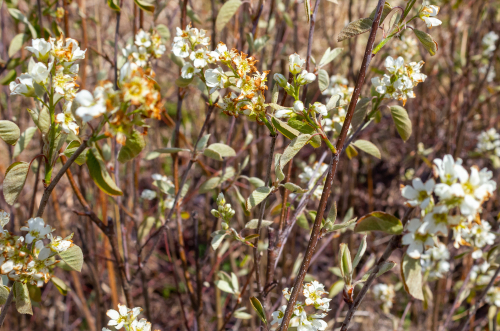
Looking for a way to add some structure to your garden without things getting totally overgrown? These popular dwarf shrubs are the perfect solution. They stay manageable, look fantastic at eye level (or lower!), and add a beautiful accent to any landscape. Here’s a breakdown of some of my favorite small-but-mighty plants.
[[plants]]
++Sargent Hydrangea (Hydrangea sargentiana)
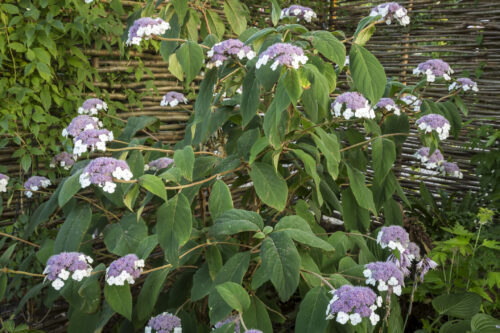
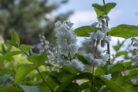
Hydrangeas are easily one of the most beloved garden shrubs out there. Their massive, showy blooms look right at home in everything from modern yards to classic cottage gardens. However, some varieties can get huge and take up a ton of real estate. If you’re short on space, the Sargent Hydrangea (often called Velvet Hydrangea) is a great choice. It has a more compact growth habit that works beautifully as a dwarf shrub. Just make sure to give it a spot with partial shade and a little protection from the wind to keep it happy.
++Cotoneaster (Cotoneaster)
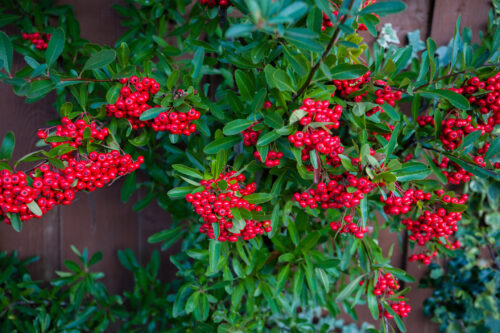
If you’re looking for something low-maintenance with dense foliage, Cotoneaster is your best friend. You can let it grow naturally into a bushy shape or prune it into a more formal look. These shrubs offer pretty little flowers and colorful berries for extra interest. While some varieties can eventually get tall, a quick pruning keeps them perfectly sized as dwarf shrubs or even effective groundcovers.
++Japanese Spirea “Nana” (Spiraea japonica “Nana”)
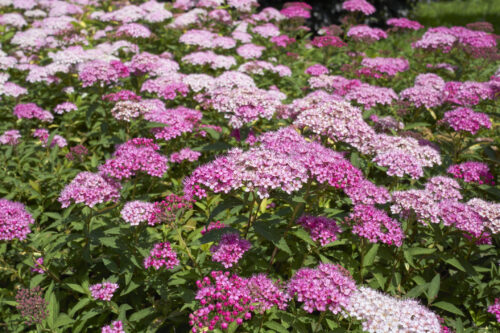
The “Nana” variety of Japanese Spirea is a real winner because it only tops out at about two feet tall. That means you can pretty much plant it and forget it without worrying about it taking over the yard. During blooming season, it’s covered in lovely, usually pink, flower clusters. It has a tight, mounded growth habit that looks neat and tidy with almost zero effort on your part.
++Crowberry (Empetrum)
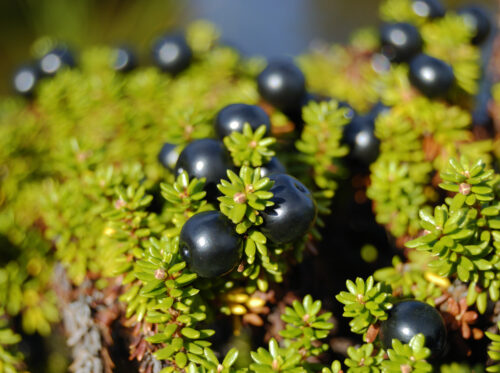
Want to bring a bit of that wild, heathland charm to your backyard? Crowberry is a fantastic dwarf shrub that stays low to the ground, usually between 8 and 24 inches. It’s super hardy and thrives in sandy soil or even boggy, acidic areas. As a bonus, the little black berries it produces are edible and packed with Vitamin C—though they’re definitely a bit of an acquired taste!
++English Lavender (Lavandula angustifolia)
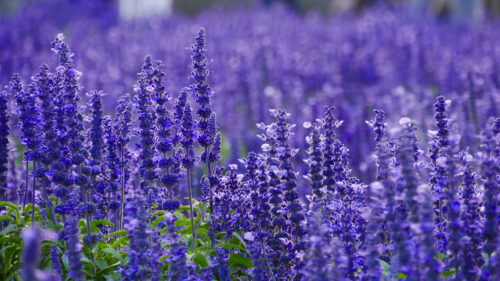
English Lavender is a classic for a reason. It’s technically a small shrub, and it brings so much to the table. You get those iconic purple blooms and a scent that instantly transports you to the French countryside. While we love the smell and bumblebees love the nectar, wasps tend to stay away. Plus, you can harvest the flowers for DIY projects or even use them in the kitchen!
++Japanese Skimmia (Skimmia japonica)
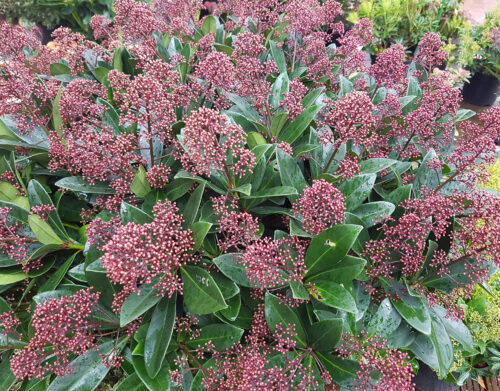
Japanese Skimmia is a total workhorse in the garden. It’s evergreen, frost-hardy, and stays around three feet tall. It offers plenty of flowers followed by bright, colorful berries that pop against the dark green leaves. It prefers shady or partially shaded spots with rich, organic soil. Since it keeps its leaves all year, it’s a great way to keep the garden looking alive even in the dead of winter.
++Dwarf Korean Lilac (Syringa meyeri)
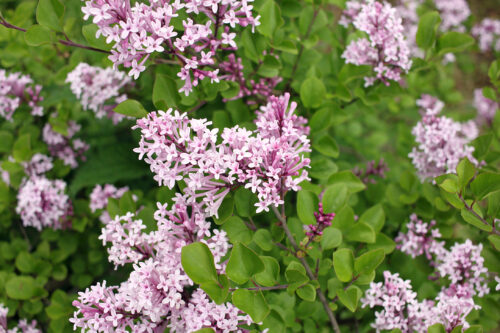
If you love the smell of lilacs but don’t have room for a massive tree, the Dwarf Korean Lilac is the answer. It usually stays under five feet tall but packs a huge punch when it comes to fragrance and flowers. It loves a sunny spot with well-draining, nutrient-rich soil. It’s very cold-hardy, too, so you don’t have to baby it when the temperature drops.
++Witch Hazel (Hamamelis)
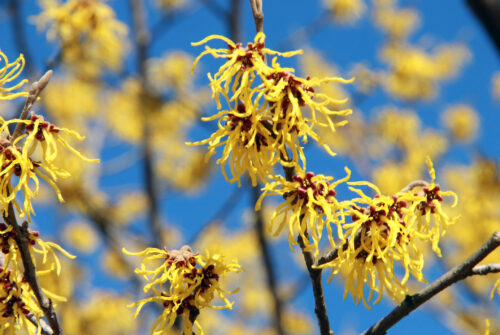
Here’s a bit of an insider tip: Witch Hazel. This plant is a showstopper because it blooms in the middle of winter with unique, spindly yellow flowers. While it can eventually grow quite large, it is a very slow grower. If you want to keep it as a dwarf shrub, you can easily prune it to your desired size every couple of years.