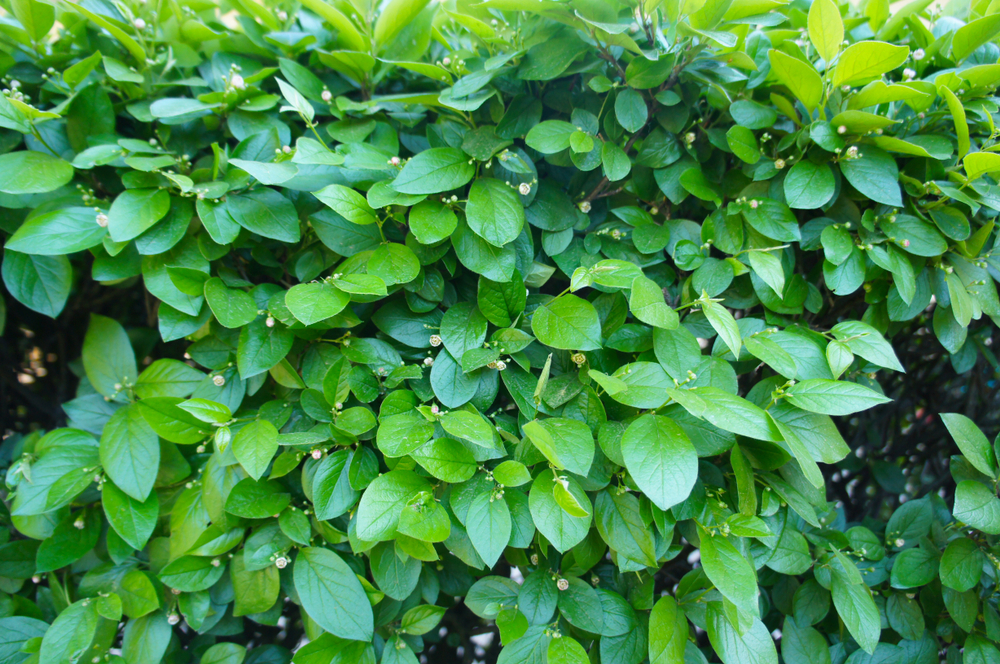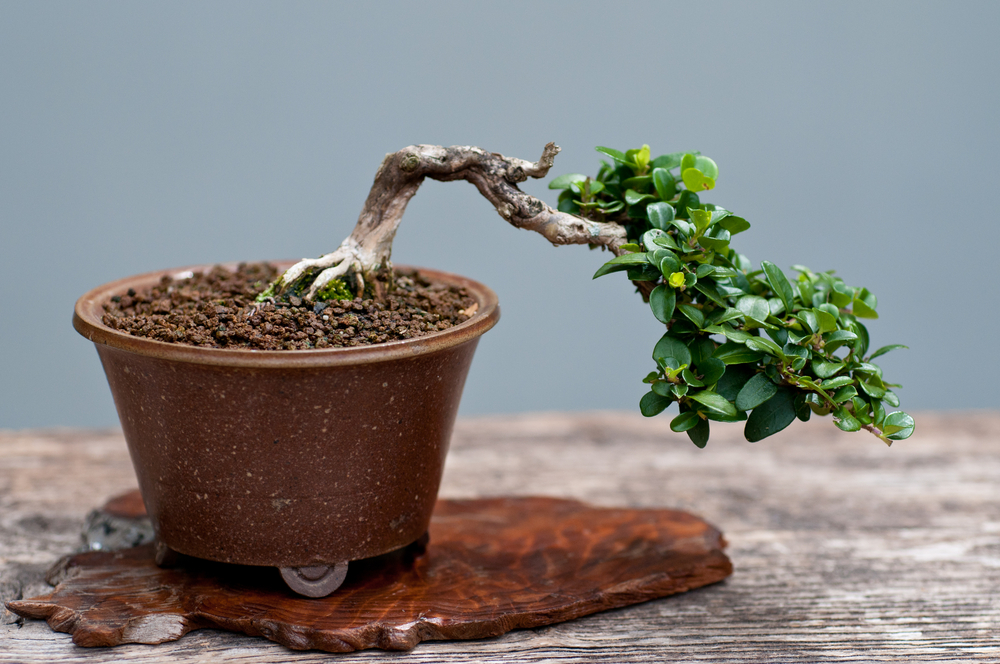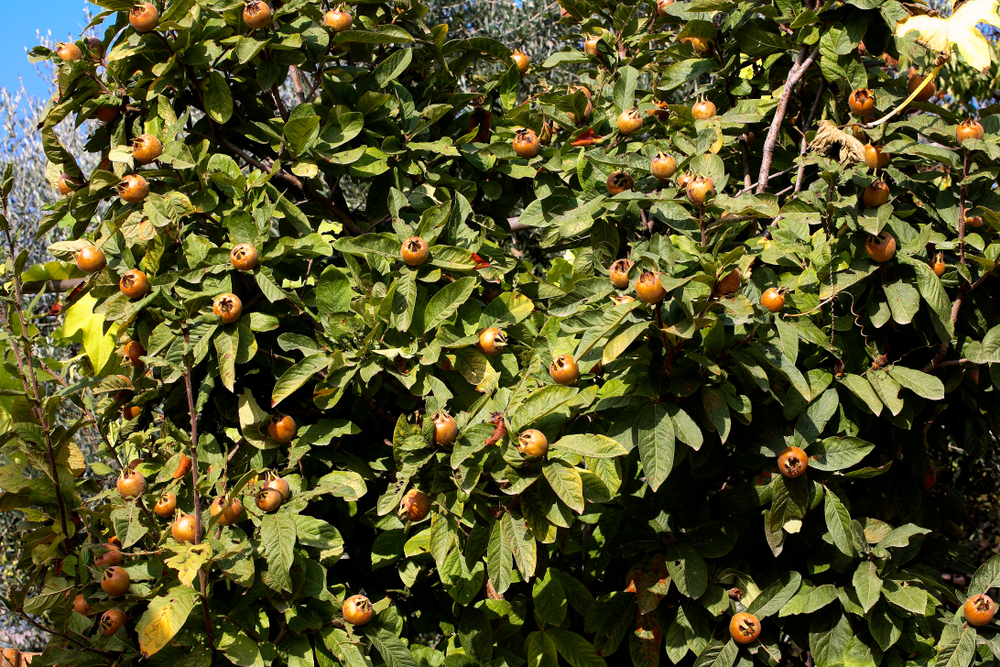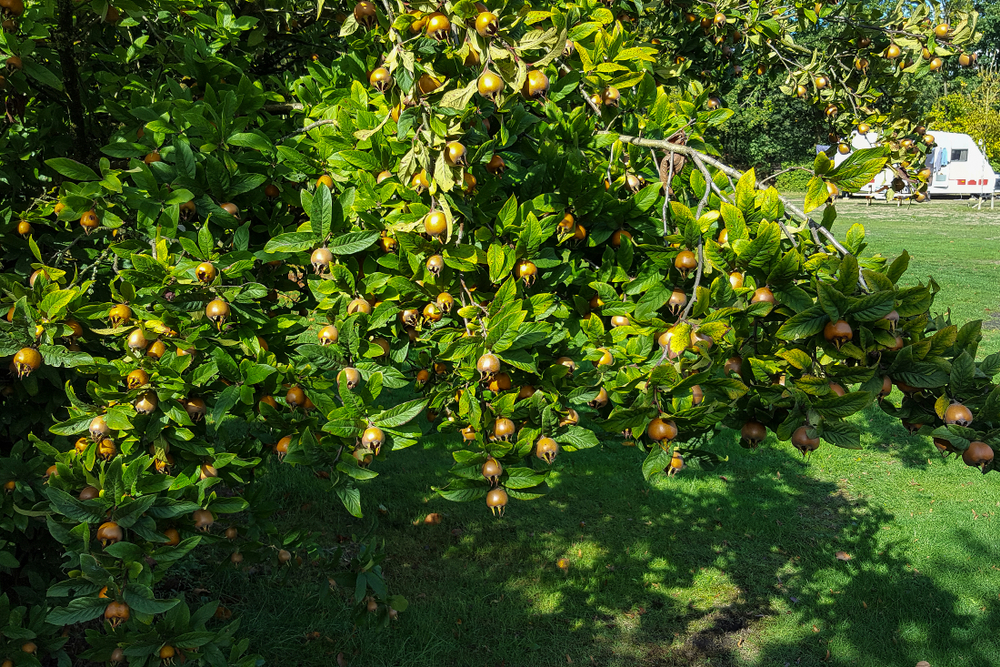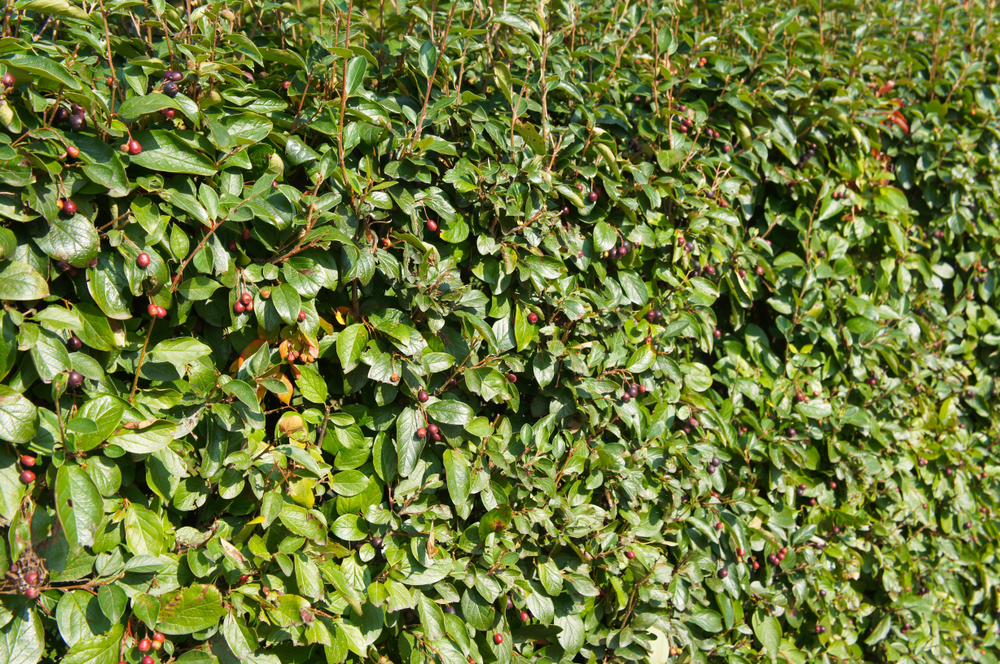
Cotoneasters (or “Zwergmispeln” as they’re known in Germany) are a real staple in the garden. Whether you’re using them as a lush groundcover or a decorative little shrub, they’re total winners—not just because they look great, but because they are incredibly low-maintenance when it comes to pruning and general care.
Pruning 101: What You Need to Know
Generally, giving your cotoneaster a good trim once a year is all it takes to keep it happy. Pruning is mostly about maintenance, and groundcover varieties especially love it. Don’t be shy—you can be quite generous when cutting them back in both height and width.
The best time to grab your shears depends on the variety you have. Evergreen types should be pruned in the spring to ensure they still produce plenty of flowers and berries. If you have a deciduous variety (one that loses its leaves), aim for winter or late summer. Just a heads-up: these plants love to branch out, and even regular pruning won’t completely stop them from sending out those side shoots!
How to Prune Your Cotoneaster the Right Way
The main goal of pruning is to give your plant some breathing room so it can grow strong. You’ll want to thin out any branches that are growing too close together or crossing over each other. For groundcovers, the trick is to get some air into the center, so snip the branches just above the buds. Work your way through the plant branch by branch with a pair of sharp garden shears until it’s reached the size and shape you’re looking for.
Once that’s done, you can pretty much leave the plant alone for the rest of the year. It doesn’t require much extra care, making it a perfect choice for gardening newbies or busy weekend warriors. The most important thing is finding a sunny spot. While cotoneasters are super adaptable and can handle a bit of shade, they really thrive and look their best in full sun.
When it comes to watering, less is definitely more. These plants aren’t fans of “wet feet,” and too much moisture can actually lead to root rot. Be conservative with the hose and make sure the soil drains well to avoid any standing water. Soil-wise, they aren’t picky at all—sandy, loamy, or even rocky soil in a rock garden works just fine. One final pro-tip: always use clean, sharp, and ideally disinfected pruning tools. This keeps the cuts clean and minimizes the risk of any nasty bacteria or fungi hitching a ride into your plants.