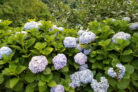
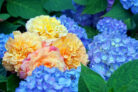
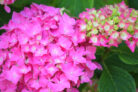
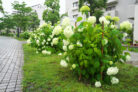
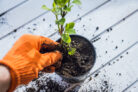
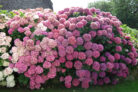
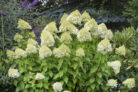
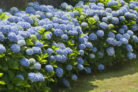
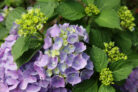
If you pick the right spot from the get-go, hydrangeas are actually pretty low-maintenance guests in the garden. Plus, those stunning blooms add a dreamy, romantic vibe to any backyard. Here’s the lowdown on how to find the perfect home for your hydrangeas and what to look for when scouting out a location.
Setting the Scene
Most hydrangea varieties are happiest in partial shade or dappled sunlight. They’ll bloom beautifully even without a full day of sun. In fact, if your hydrangea spends too much time baking in the direct sun, you’ll notice the leaves and flowers starting to wilt and droop pretty quickly. To keep them looking perky, plant them in a sheltered spot and make sure you give them plenty of elbow room between plants.
Great spots for planting include:
- Under the canopy of large, deep-rooted trees
- Tucked against the side of the house for protection
- Any semi-shaded area that’s shielded from the wind
Speaking of wind—hydrangeas aren’t big fans of heavy gusts. Those big, beautiful flower heads can get heavy, and a strong wind can easily snap the stems. To keep your plants safe, plant them somewhere wind-protected. If you’ve got a variety with particularly massive blooms, it’s never a bad idea to give them a little extra support with stakes.
The Dirt on Soil
Hydrangeas are hungry plants! They need nutrient-rich soil with an acidic pH. Fun fact: the soil’s pH level actually determines the color of the blooms for many types. Most backyard garden soil tends to be more alkaline than acidic, but don’t worry—you can fix that. By using the right fertilizers, you can feed your plants and nudge the soil pH in the right direction at the same time.
Hydrangeas will thrive in:
- Specialized hydrangea potting mix
- Azalea soil
- Rhododendron soil
Hydrangeas are thirsty (the “hydra” in their name is a big hint!), so you’ll need to make sure they stay well-hydrated. Give them a good soak regularly, but be careful not to let them sit in soggy soil—nobody likes “wet feet,” especially hydrangea roots. Choose a spot where the soil is well-draining so excess water can flow away. If your soil is a bit heavy or clay-like, you can always add a drainage layer to the bottom of the planting hole to keep things moving.