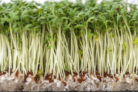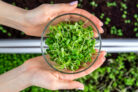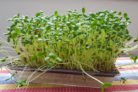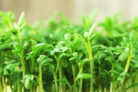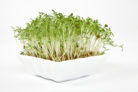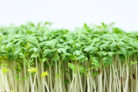
A sprinkle of cress here, a handful of sprouts there—cress is a total powerhouse in the kitchen. As long as you’re a fan of its signature kick, you’re in for a treat. Plus, for those of us who love that peppery bite, cress is a fantastic way to pack some extra vitamins into your diet.
That Signature Cress Flavor
Those tiny green leaves pack a punch! Cress has an intense, savory flavor with more than just a hint of spice. That “zing” comes from mustard oils found naturally in the plant. It’s why cress often reminds people of spicy mustard or radishes (which also contain those same oils). Since the flavor is anything but subtle, a little goes a long way—think of it more as a seasoning than a main leafy green.
Which Parts Can You Eat?
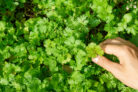
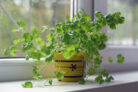
When you’re growing garden cress in the backyard, you’ll mostly be harvesting the leaves. While the flowers are edible, they aren’t quite as flavorful. Nasturtiums (often called Indian Cress), however, are the exception to the rule! Their blossoms have a lovely sweet-yet-spicy taste and come in stunning shades of yellow, orange, and red. They make for a top-tier edible garnish. If you’re growing cress on your windowsill, you’re likely just sticking to the sprouts.
Fresh Is Always Best
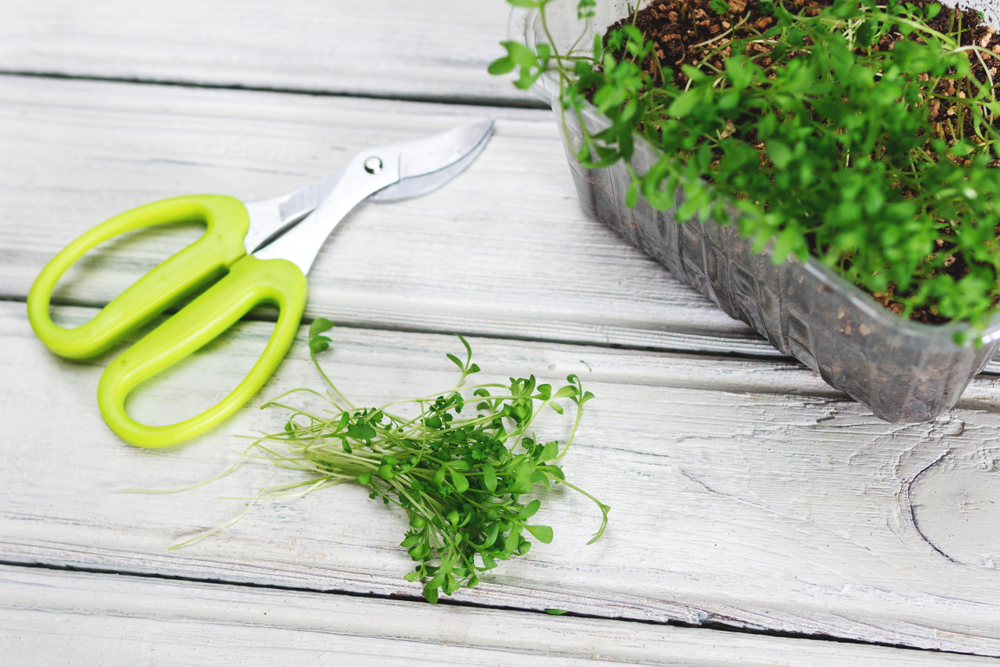
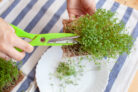
Once cut, cress wilts incredibly fast and starts losing its vitamin content. Even in the fridge, it’ll only stay fresh for a couple of days. That’s why I always recommend waiting to harvest your cress until right before you’re ready to eat it. Even if you have a huge crop, you really need to use it fresh; drying or freezing just doesn’t work well for this herb because it loses all its character. Freezing can be a last resort if you’re using cress as a cover crop and need to clear the bed, but fresh is definitely the way to go.
Skip the Rinse!
If you can help it, don’t wash your cress. The delicate sprouts tend to get mushy and lose their aroma once they hit water. If they’re actually dirty and you absolutely have to clean them, use a very gentle stream of water and pat them dry immediately.
Classic Ways to Use Cress
There are really no limits to where you can sprinkle a few sprouts, as long as you like the flavor combo. But if you’re looking for inspiration, here are some classic dishes that pair perfectly with cress:
- Herb-infused quark or yogurt dips
- Fresh salads
- Open-faced sandwiches (especially with butter!)
- Pesto
- Soups
- Cress butter or infused oil
Pro Tip:
Avoid cooking cress! High heat destroys those valuable vitamins. If you want to add that peppery goodness to a hot soup, just stir it in right before you serve.