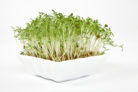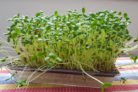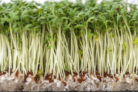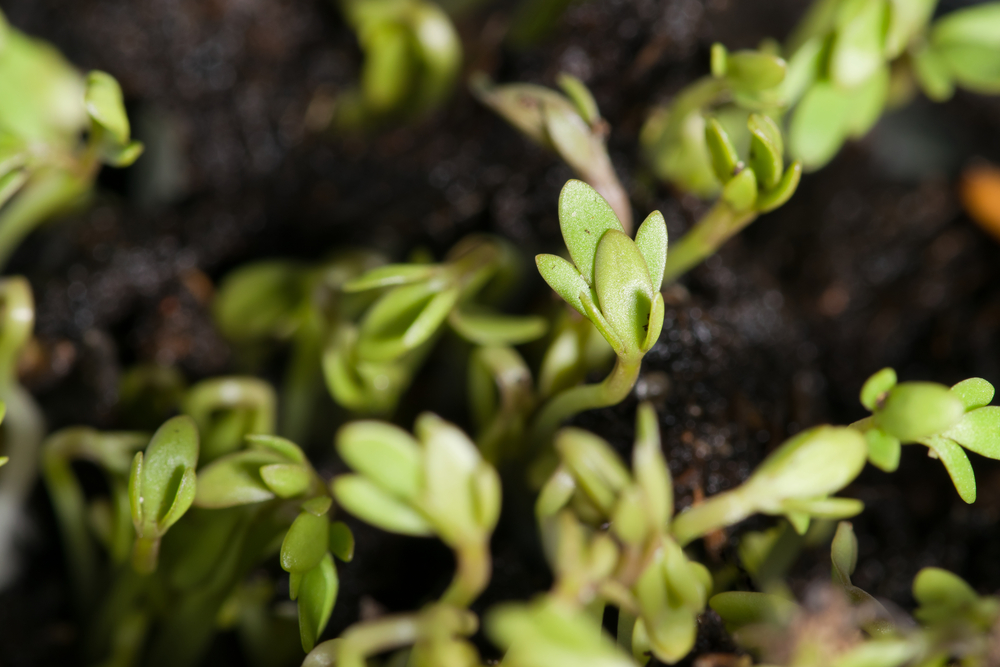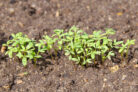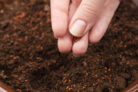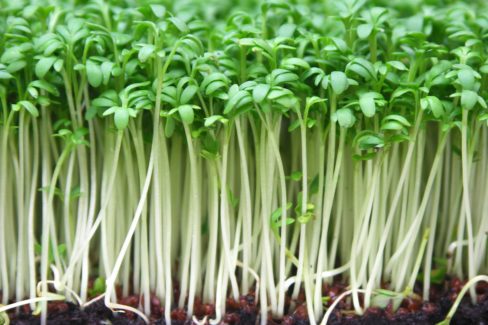
Garden cress isn’t just a tasty, healthy powerhouse—it’s also one of the easiest herbs to grow yourself! Whether you’re a seasoned pro or a total beginner, this zesty little green is a must-have. Check out the quick facts below to get to know this popular herb.
Garden Cress Profile
- Botanical Name: Lepidium sativum
- Genus: Lepidium (Cress)
- Family: Brassicaceae (Mustard family)
- Height: 8 to 24 inches
- Sowing: Outdoors starting in May; indoors on a windowsill year-round
- Harvest: About one week after sowing
- Hardiness: Not frost-hardy, but grows perfectly indoors anytime
- Flowers: Four-petaled, white to pinkish blooms
- Leaves: Slightly bluish-green to bright green
- Uses: Eat the sprouts, mature plants, or seeds; perfect raw as a sandwich topping, in salads, soups, herb dips, or as a garnish for deli platters
- Nutrients: Sodium, potassium, protein, Vitamin A, calcium, Vitamin C, iron, Vitamin B6, and magnesium
Garden Cress: Not Just for the Garden!
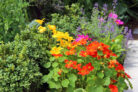
Don’t let the name fool you—garden cress is happy growing just about anywhere, not just in a backyard plot. In fact, it’s so versatile it doesn’t even need soil! You can grow it on paper towels, tissues, or cotton balls. The only real requirement is a moisture-absorbent surface where the roots can take hold. Of course, if you prefer the traditional route, you can definitely plant it in your garden beds. Just make sure to wait for a frost-free day before sowing your seeds outside.
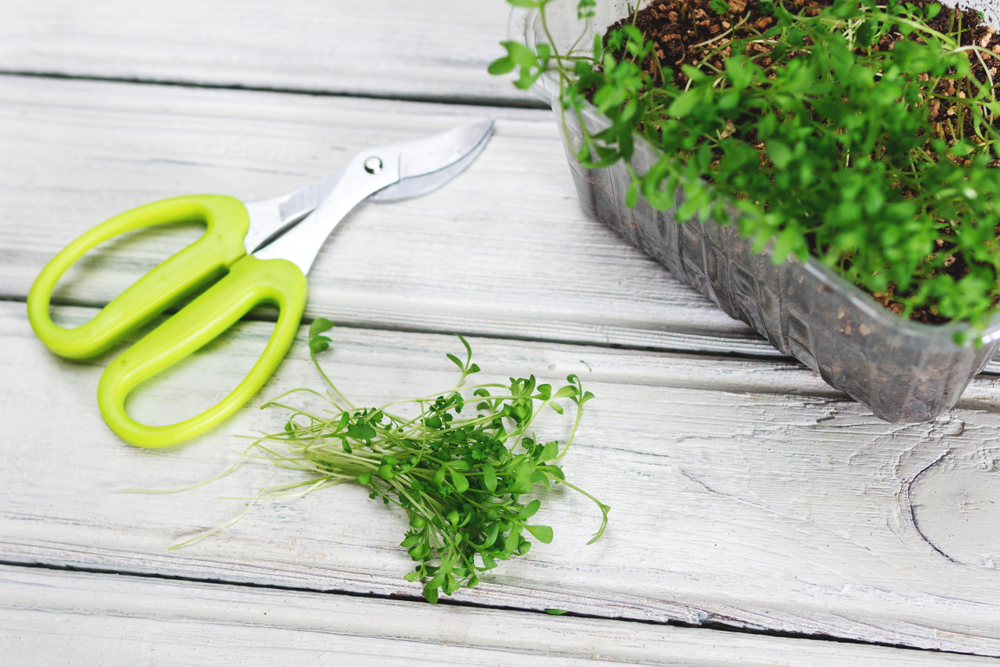
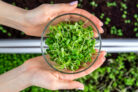
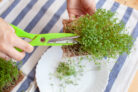
Most people prefer to harvest garden cress as sprouts or microgreens. That’s when the flavor is most intense and the leaves are nice and tender. However, you can still eat it once it’s fully grown, though it does get a bit more fibrous and loses some of that signature punch. Pro tip: Try to harvest your cress before it starts to flower. Once those blooms appear, the plant puts all its energy into the flowers, which can zap the flavor right out of the leaves!