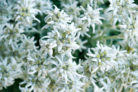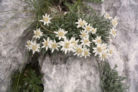
The herbaceous Edelweiss perennial is a true mountain beauty, typically found in steppe-like Alpine meadows at altitudes of up to 10,000 feet. In the wild, it’s a protected species, so picking or digging it up is a huge no-no! Luckily for us gardeners, there are now cultivated ornamental varieties that you can grow right in your own backyard.
The Edelweiss Bloom
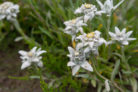
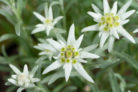
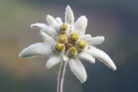
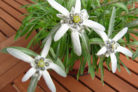
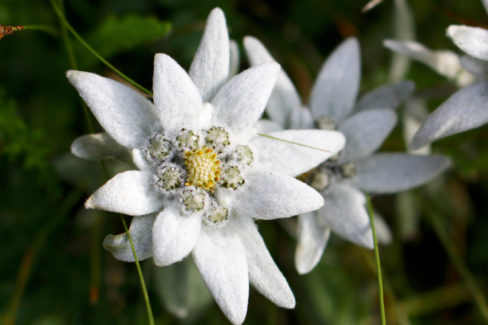
That striking little white star we all recognize isn’t actually a single flower—it’s what we call a “false flower.” The “petals” are actually bracts (modified leaves) arranged in a star shape and covered in a fuzzy, felt-like hair. The true flowers are tucked away in the center of that star. We’re talking hundreds of tiny flower heads huddled together, waiting for beetles, bees, and other pollinators to stop by. Those insects are drawn in by the white shimmer of the bracts, which is caused by countless tiny air bubbles trapped in the fuzzy hairs reflecting the light.
Bloom Time
Edelweiss usually starts showing off in July—sometimes a bit earlier—and keeps going right through September. The flowers sit atop stems that reach about 8 inches tall and generally measure about 3 inches across. Every once in a while, you might spot a “King Edelweiss,” a giant specimen with blooms reaching nearly 5 inches!
The garden varieties we grow at home (which actually trace their roots back to the Himalayas) also bloom from July throughout the summer, constantly pushing out new flowers.
Pro tip: If you want to enjoy these charming, fluffy stars even longer, you can press them between sheets of absorbent paper. Edelweiss makes a fantastic dried flower because it holds its shape and color beautifully.
Location and Care
To make sure your Edelweiss thrives during blooming season, you’ve got to pick the right spot. The good news? It’s a low-maintenance plant. The ideal home for an Edelweiss should check these boxes:
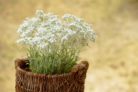
- A full-sun spot in a rock garden; containers or pots work great too.
- Ideally a south-facing location.
- Stony, well-draining soil.
- Limestone-rich soil (siliceous limestone is perfect).
- No standing water (they hate “wet feet”).
- Low nutrient levels—Edelweiss is a “light feeder.”
- Skip the fertilizer entirely!
- Divide the plant every few years to keep it healthy and vigorous.