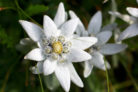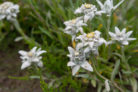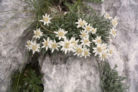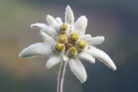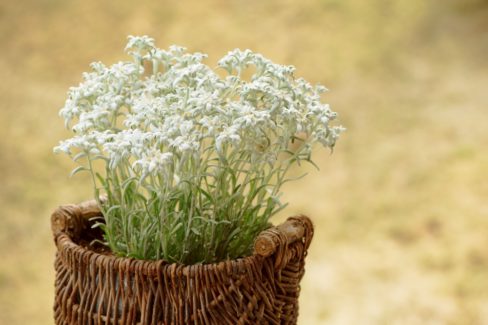
The stunning Edelweiss isn’t just a legendary trophy for mountain climbers! Those iconic, fuzzy white star-shaped blooms are actually a fantastic choice for dry, sunny spots in your own backyard. Plus, they make charming container plants for your balcony or patio if you know a few simple tricks.
Growing Edelweiss in Pots
In the wild, Edelweiss thrives in sunny spots with dry, lean soil. Because of this, they can be a little picky when grown in pots. The biggest danger? Getting “wet feet.” They absolutely hate sitting in soggy soil. You’ll also need to make sure they get plenty of sunshine—a shady balcony or a north-facing terrace just won’t cut it for these sun-lovers.
How to Plant Your Edelweiss
When you’re ready for planting your Edelweiss, follow these steps to get it off to a great start:
- Choose a terra cotta pot. Clay is breathable and allows moisture to evaporate, whereas plastic pots trap water inside.
- Check for drainage. Make sure your pot has plenty of drainage holes at the bottom.
- Create a drainage layer. Start by adding a layer of broken pottery shards or coarse gravel at the base.
- Use a landscape fleece. Cover your drainage layer with a bit of garden fleece. This prevents the soil from washing down and clogging up your drainage holes.
- Mix your soil. Use a 50/50 mix of standard potting soil and coarse sand.
- Add some lime. Edelweiss loves alkaline conditions, so mix in a little garden lime.
- Dig the hole. Make it just slightly larger than the plant’s root ball.
- Set the plant. Place your Edelweiss in the hole.
- Fill and firm. Fill in the gaps with your soil mix and press down firmly.
- Water lightly. Give it just a small drink to settle the roots.
- Find the sun. Place the pot in a sunny spot. Avoid using a saucer underneath, as standing water from rain or watering can lead to root rot.
Ongoing Care and Maintenance
Caring for a potted Edelweiss is pretty similar to caring for one in the ground. Since they are “light feeders,” you don’t need to worry about fertilizer or compost—they actually prefer nutrient-poor soil! The only difference is that potted plants dry out faster, so keep an eye on the moisture. You don’t want to soak them; just misting or lightly wetting the surface of the soil is usually enough. Be sure to deadhead (pluck off) any wilted flowers to encourage the plant to keep blooming.
To keep the nutrient levels just right and the plant healthy, I recommend repotting your Edelweiss every two years. This is also the perfect time to divide the plant, which helps rejuvenate it. When winter rolls around, you’ll want to protect your potted Edelweiss from the cold. Wrapping the pot in bubble wrap or burlap works well, or you can even sink the entire pot into the ground in your garden until spring.