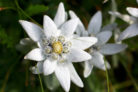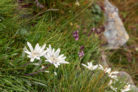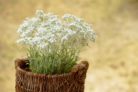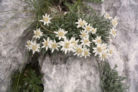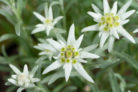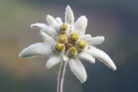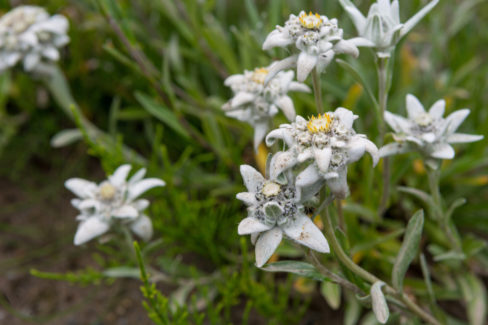
Looking for a real showstopper for your garden? You can’t go wrong with the iconic Edelweiss. With its bright white, star-shaped blooms, this low-maintenance perennial is a total head-turner. Just a quick heads-up: while the wild Alpine Edelweiss is a protected species (so no picking or digging in the wild!), the ornamental varieties from the Himalayas are perfect for home gardens. If you give this little plant the right spot, it’ll reward you for years to come.
Bringing the Alps to Your Backyard
We all have that one “difficult” spot in the garden—you know, the one with poor soil, tons of direct sun, and rocky ground. Whether it’s a rock garden, a dry meadow, or even a sunny slope, that’s exactly where Edelweiss feels right at home. These plants actually thrive where others struggle! The key is well-draining, lime-rich soil. They hate “wet feet,” so make sure the water can run off easily. Since they only grow to about 8 inches tall and love lean soil, you don’t even need to worry about adding extra nutrients.
Easy-Breezy Maintenance
One of the best things about the “Star of the Alps” is how hands-off it is. You don’t need to worry about extra watering or fertilizing—it’s perfectly happy with what the soil provides. No compost needed here! If your soil is heavy clay, just mix in a little sand before planting to loosen things up.
When winter rolls around, Edelweiss is a champ. It naturally retreats into the ground to rest, so it doesn’t need much protection. You can trim back the faded stems, and if you’re expecting a “black frost” (super cold temps without any snow cover), a few evergreen branches over the top will do the trick.
One major warning: Slugs absolutely *love* Edelweiss. A hungry slug can devour a medium-sized plant in a single night! I highly recommend using a slug fence, or if it’s a particularly bad year for pests, don’t be afraid to use some organic slug bait to keep your plants safe.
How to Plant Your Edelweiss
The best time to get these in the ground is in the spring, once the threat of frost has passed. Space your plants about 4 to 6 inches apart. Here’s the play-by-play:
- Carefully remove the plant from its nursery pot.
- Give the root ball a quick dunk in a bucket of water.
- Dig a hole that’s about twice as wide as the root ball.
- Set the plant in the hole, making sure it’s at the same depth it was in the pot.
- Skip the compost or slow-release fertilizer—it really doesn’t need it!
- Since you soaked the root ball beforehand, there’s no need to water it in immediately.
- Fill the hole back in with soil and press down firmly to settle it.