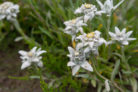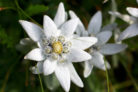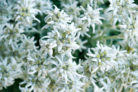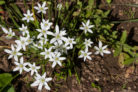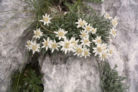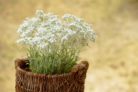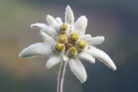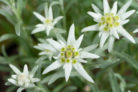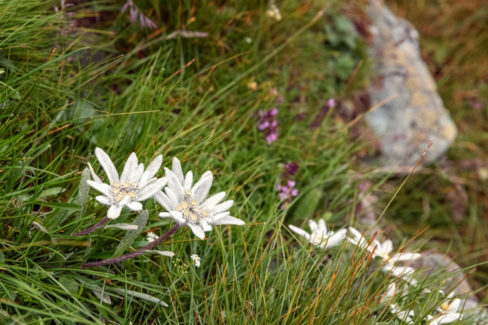
Edelweiss has long since made the leap from the rugged peaks of the Alps right into our backyard gardens. While the original wild flowers in Europe are strictly protected, varieties from the Himalayas have been specially bred to thrive in home gardens. When you find the right spot for it, Edelweiss grows into a beautiful, compact perennial that will keep you smiling for years to come.
The Perfect Spot and Soil
In the wild, Edelweiss grows at altitudes of up to 10,000 feet. Up there, it survives in sparse, steppe-like meadows and rocky outcrops. Back before it was a protected species, hikers were so obsessed with picking it as a souvenir that the flower retreated to the most inaccessible cliffs just to survive. That’s why many people mistakenly think it *only* grows on steep rock faces!
In your garden, Edelweiss craves a sunny, south-facing spot with silica-rich soil. To keep this mountain beauty happy, try to mimic its natural habitat. A rocky, dry meadow, a dry-stone wall, or a south-facing rock garden that gets baked in the sun all day is ideal. Don’t try to tuck it away in partial shade—it just won’t be bright enough for this sun-lover.
Getting the Soil Right
To make Edelweiss feel at home, your soil needs to meet the same standards as the high mountains. Here’s what you’re looking for:
- Excellent drainage (to prevent soggy feet)
- Slightly alkaline (make sure there’s enough lime/calcium)
- Rich in minerals
- Low in nutrients (don’t over-fertilize!)
If you’re dealing with damp or heavy clay soil, you’ll need to mix in plenty of sand and gravel to loosen things up. This improves drainage significantly. Whatever you do, avoid standing water at all costs—Edelweiss hates being waterlogged, though it doesn’t like bone-dry conditions for too long either.
Growing in Pots and Containers
Good news for patio gardeners: Edelweiss does great in containers as long as they’re sitting on a sunny, south-facing deck. Use a substrate that is fresh, low in nutrients, and stays warm—a low-nutrient cactus mix actually works perfectly. Even though Edelweiss is incredibly cold-hardy, plants in pots need a little extra TLC in the winter. Move your containers to a sheltered spot and wrap them with some garden fleece. This prevents the root ball from freezing solid during those extra-harsh winter nights.