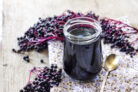
The elderberry bush is honestly one of the most useful plants you can have in your backyard. It’s like the gift that keeps on giving because you get two separate harvests every year! Not only can you transform the berries into delicious jams or syrups in the fall, but you can also whip up refreshing juices and sweet treats using the blossoms in the spring. Here’s everything you need to know about making the most of your elderberry harvest.
Harvesting Elderflowers in May
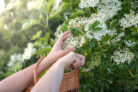
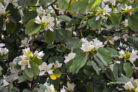
Usually, the elderberry bush starts showing off its blooms in May. You can spot those bright white, umbrella-shaped flower clusters from a mile away, and that sweet fragrance is totally unmistakable. Elderflowers are perfect for making a refreshing cold-brew syrup. Or, if you’re feeling fancy, try dipping the clusters into a simple batter of flour, egg, and water and frying them up in a little butter—trust me, they’re delicious!
Elderflower jam is another seasonal favorite that tastes like sunshine in a jar. The best part? The blossoms are completely non-toxic and a real gourmet treat. Just a quick pro-tip: never pick all the flowers off one bush, or you won’t have any berries to harvest come fall!
Harvesting Elderberries in Late Summer and Fall
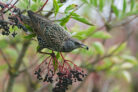
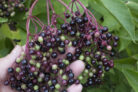
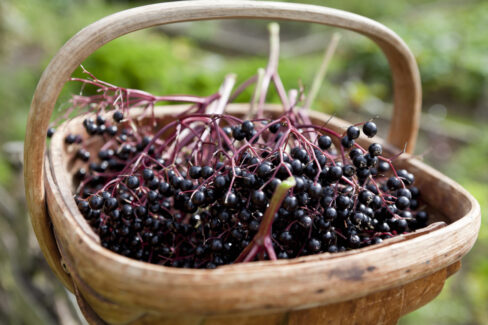
Depending on your local weather and where you live, those flower clusters turn into juicy berries starting around August. In some areas, you might even be waiting until October to harvest. You’ll know they’re ready when the heavy, dark clusters start drooping toward the ground.
When you head out to pick your berries, make sure you’re wearing “work clothes” that you don’t mind getting messy. That deep red juice is basically permanent dye and will stain your clothes for good! Here are a few more tips for a successful harvest:
- Only pick berries that are fully ripe (dark purple/black).
- Always harvest the entire cluster, stem and all.
- Use a knife or garden snips to make clean cuts.
- If there are a few unripe green berries in the bunch, pluck them off and toss them before processing.
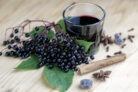
One super important safety note: Raw black elderberries are actually toxic. You have to cook them for at least 30 minutes to neutralize the toxins. Once they’ve had a good boil, they’re perfectly safe and ready to be turned into juice, jelly, or syrup!