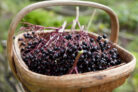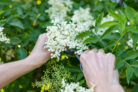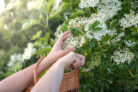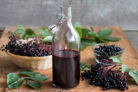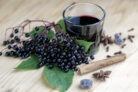
If you’ve got an elderberry bush in your backyard, consider yourself lucky! It’s like the gift that keeps on giving, offering up two separate harvests every year. In the early summer, you get those incredibly fragrant blossoms, and by late summer, you’re looking at clusters of dark, juicy berries. Here’s everything you need to know about when and how to harvest your elderberries.
When to Pick Those Sweet Elderflower Blossoms
The creamy-white blossoms of the Black Elderberry are a total culinary treat. Usually, around late May or early June, you can head out and snip these fragrant clusters to make a delicious homemade syrup. If you want to save that summer scent for later, elderflowers dry beautifully for tea—perfect for a cozy winter mug. But if you’ve got a fresh batch right now, try dipping the whole clusters in a simple batter of flour, water, and eggs, frying them up, and dusting them with powdered sugar. Trust me, it’s a game-changer!
Elderberries Ripen Starting in August
Pinpointing the exact date for elderberry harvest is a bit tricky because it changes every year. Mother Nature is in charge here—the weather and your specific growing zone play a huge role. Some years, you might see ripe berries as early as late July or August. Other years, you might be waiting until September before your Black elderberries are ready for harvest.
The Stages of Ripening
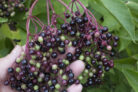
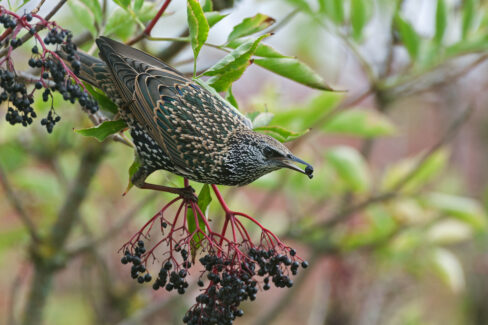
As long as you leave enough blossoms on the bush during the spring, they’ll eventually transform into juicy berries. You’ll notice them start out with a reddish tint. Be patient, though! You want to wait until they turn a deep, dark purple-black color. That’s the signal that they’re finally ready to pick.
Keep in mind there are other varieties of elderberry out there with different colored fruit, such as:
- Blue Elderberry (with dusty blue berries)
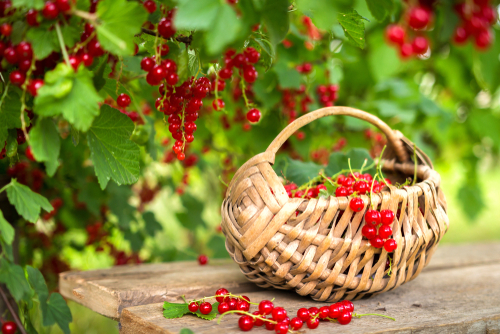
- Red Elderberry (with bright red berries)
Nutrition and Safety Tips
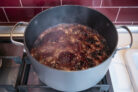
First things first: never eat raw elderberries! They contain a substance called sambunigrin, which is toxic if ingested raw. The good news is that heat neutralizes it. To be safe, I always recommend boiling your berries for about 30 minutes before turning them into syrup or jam.
Safety aside, elderberries are nutritional powerhouses. They’re packed with Provitamin A and various B vitamins. For every 100 grams of berries, you’re looking at about 48 calories, 7.4g of carbs, 0.5g of fat, 2.5g of protein, and 4g of fiber. Not bad for a backyard snack!