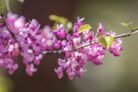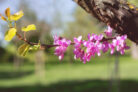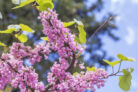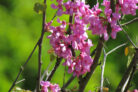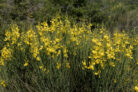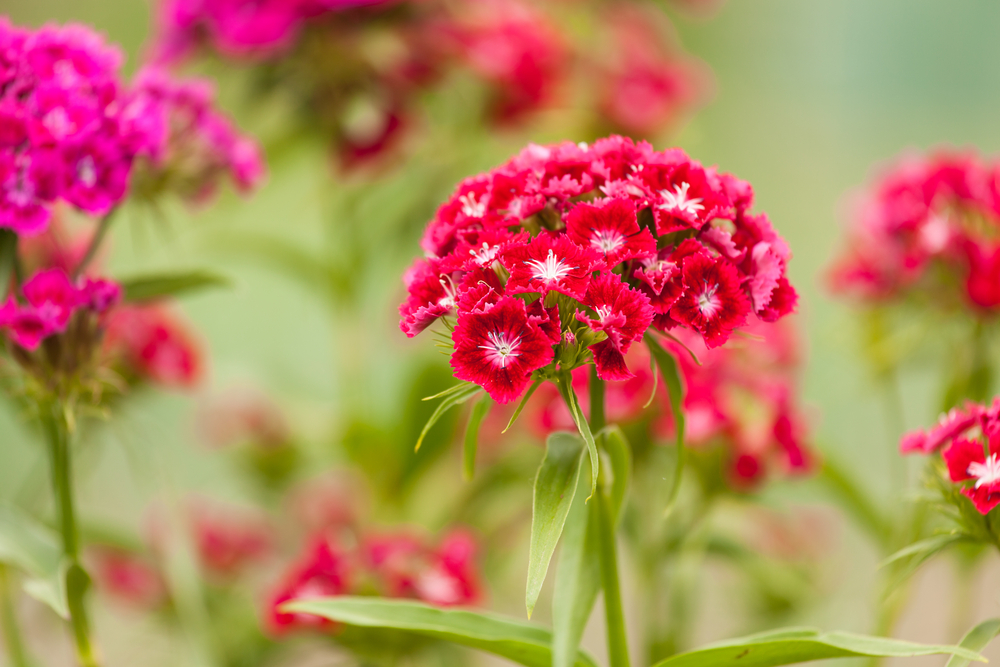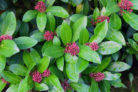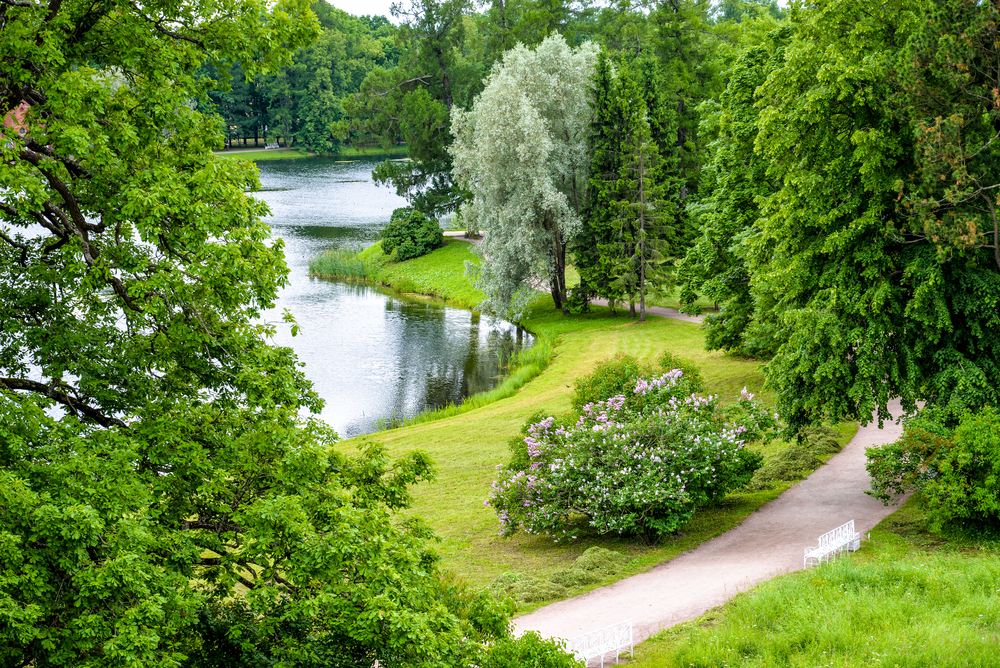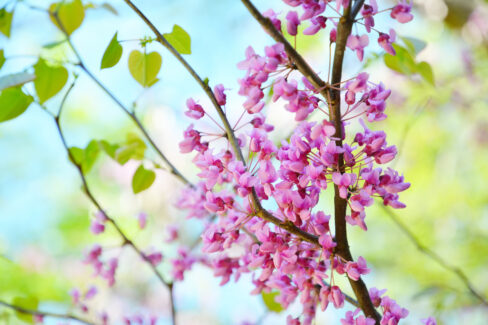
Daphne (also known as February Daphne or Mezereum) is one of those “set it and forget it” plants that every gardener loves. It’s not picky at all about where it lives, making it a go-to favorite for an easy-going landscape. That said, there are a few spots where it really shines!
Ways to Show Off Your Daphne
There are so many ways to work Daphne into your garden design. Here are a few of my favorite ways to use it:
- As a standout specimen plant that draws the eye.
- As a charming low border along walkways or garden beds.
- In containers or pots to brighten up your patio.
- As a pollinator magnet to give the bees a little extra love.
Finding the Perfect Spot
When it comes to location, Daphne is pretty chill. In the wild, you’ll mostly find it hanging out in partial shade, but it’s surprisingly adaptable. Whether your spot is sunny or quite shady, this plant will likely do just fine. Because it’s so hardy, it’s a great choice for those tricky corners of the yard where other plants refuse to grow.
Soil Preferences
Daphne isn’t high-maintenance about its soil, either. It can handle most conditions, but if you want to see it really thrive, aim for soil that is slightly alkaline (chalky). It also prefers loose, well-draining soil over heavy, compacted dirt. The golden rule? Keep the soil consistently moist, but avoid soggy feet at all costs. Daphne definitely doesn’t like sitting in standing water.
How to Tell if Your Daphne is Happy
The best way to know if you’ve picked the right spot is to watch for the blooming season. When you see a massive explosion of colorful flowers, you’ll know your plant is loving life! It takes a lot of energy to produce those blooms, so a healthy display is a sign that the nutrients, care, and location are all spot on. If it blooms like clockwork every year, you’ve found its “forever home.”
A Quick Safety Note: Daphne is Toxic
As much as we love its beauty, keep in mind that the entire Daphne plant is poisonous. If you have little ones or curious pets running around, make sure to plant it somewhere out of their reach. Also, whenever you’re pruning or handling the plant, it’s a good idea to wear gloves—the sap can cause some pretty annoying skin irritation.