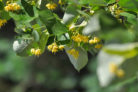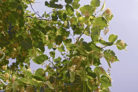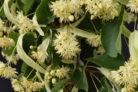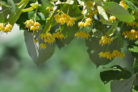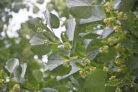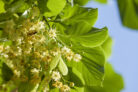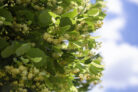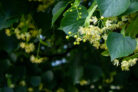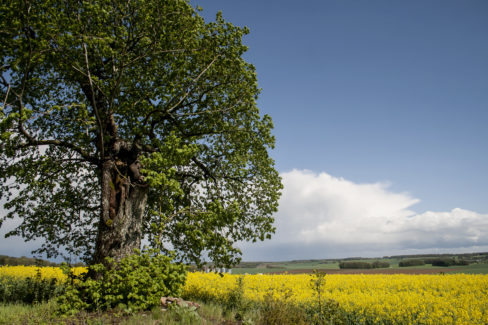
The Large-Leaved Lime (or *Tilia platyphyllos*) has been a beloved staple in landscapes since the Middle Ages. These trees are legendary for their longevity—if you plant one in the right spot, it can live for up to 1,000 years! To make sure your tree thrives for centuries to come, getting the location right is key.
Soak Up the Sun
The Large-Leaved Lime is a total sun-seeker. For the best results, you’ll want to plant it in a spot that gets full sun or at least partial shade. While it can technically handle a shadier corner if all its other needs are met, it really performs best when it’s basking in the light.
Soil Secrets
When it comes to dirt, this tree isn’t too picky, but it does have its favorites. It loves nutrient-rich soil, particularly loamy or sandy mixes. The biggest “no-no” is letting the soil get too dry; those roots really struggle in drought-like conditions. Aim for a soil pH that’s anywhere from alkaline to slightly acidic, and you’ll have one happy tree.
Give It Plenty of Elbow Room
Before you start digging, remember: this tree gets *big*. And I’m not just talking about the canopy you see above ground. The root system is incredibly powerful and often spreads out even wider than the branches.
Make sure to leave plenty of space between your tree and any buildings, walls, or other trees. Those heavy branches and strong roots can do some serious damage to foundations, pipes, or sidewalks if they’re too cramped. Also, keep your property lines and public walkways in mind. Picking the right spot now means you won’t have to deal with aggressive pruning or the nightmare of transplanting a massive tree later on.
Good Neighbors
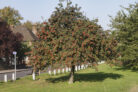
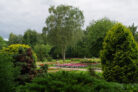
The Large-Leaved Lime is versatile—it looks stunning as a standalone “specimen” tree, but it also plays well with others in a group. You’ll often see them looking majestic in public parks. If you’re looking for some “roommates” for your lime tree, they pair beautifully with:
- Oaks
- Pines
Winter Hardiness
One of the best things about this tree is how tough it is. It’s frost-hardy down to about -22°F (-30°C), so it can usually handle a typical winter without any extra help. If the forecast calls for a record-breaking deep freeze below that point, you might want to wrap it in some garden fleece. Also, if your tree is still a “youngster,” it’s always a good idea to give it a little extra winter protection for the first few years until it’s fully established.