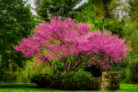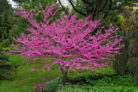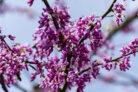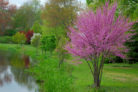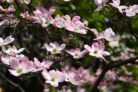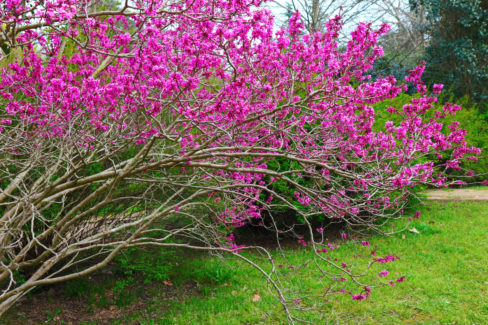
The Judas Tree (Cercis siliquastrum), often known as the Mediterranean Redbud, is hands-down one of the most stunning additions you can make to your spring garden. When it’s in full bloom, those delicate pink flowers create a literal sea of color. The best part? This tree is incredibly low-maintenance. It doesn’t demand heavy pruning and handles dry spells like a pro. Just give it a warm, sunny spot, and it’ll be happy.
Location, Location, Location (and Variety!)
Generally speaking, the Judas tree craves warmth and sunshine. However, keep in mind that different varieties handle chilly temperatures differently.
If you live in a region with nippier winters, the Eastern Redbud (Cercis canadensis) is your best bet, as it’s the most cold-hardy of the bunch.
To play it safe when planting, I always recommend choosing a sheltered, south-facing spot to protect it from harsh winds.
Getting the Soil Just Right
Your tree will thrive in soil that is lime-rich, well-draining, and on the drier side. Depending on the specific variety, some Judas trees can also tolerate humus-rich soil with a slightly acidic pH.
One of the perks of this ornamental beauty is how easy-going it is—once established, you usually won’t need to worry about extra fertilizing or regular watering.
The Blooms
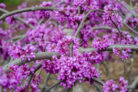
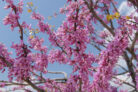
The vibrant pink clusters of flowers grow on older wood, and you’ll even see blooms popping up directly on the trunk—a cool feature called cauliflory!
These dainty blossoms emerge in late March, showing off before the leaves even appear. It looks like the entire tree is wrapped in a gorgeous pink veil.
The Foliage
The leaves are alternate, deciduous, and have a lovely rounded shape, usually growing between 3 to 5 inches long.
They feature a bluish-green shimmer on top and a grayish-green underside. Come fall, the foliage puts on a second show, turning a beautiful golden-yellow or orange.
Fun fact: In the Middle East, these edible flowers are often used as a colorful garnish for salads and specialty dishes!
Pruning: Less is More
Since this ornamental tree blooms on older wood, pruning is really only necessary for maintenance or if you’re training it into a standard (tree form).
Heavy hacking will reduce the number of flowers you get, so keep it light. A quick “haircut” for shape is all it really needs.
Always use sharp, sanitized shears and aim to do your light shaping just before the blooming season begins.
Focus on removing:
- Any diseased or dead wood.
- Branches that didn’t make it through the winter.
- Shoots that are growing inward toward the center of the tree.