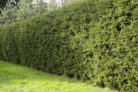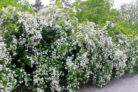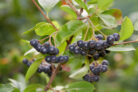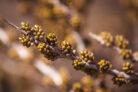
Euonymus (also known as Spindle Tree) makes for a gorgeous, decorative hedge, but there are a few things you should know before you start digging. I’ve put together a guide on everything from safety tips to long-term care so your new hedge thrives.
Is the Toxic Euonymus a Good Choice for Your Yard?
First things first: safety. Whether it’s the leaves, stems, or those bright berries, Euonymus is toxic to both humans and pets. Because of this, you really want to think twice about the location of your hedge. It’s probably not the best choice for your yard if:
- You have kids playing outside,
- Your pets roam free in the garden, or
- The hedge is easily accessible to passersby on a property line.
On the flip side, birds absolutely love the berries! If you’re looking to create a bird-friendly sanctuary, this plant is a fantastic choice for a wildlife hedge.
How to Plant Your Euonymus Hedge
Planting a Euonymus hedge is actually pretty straightforward. Before you buy, decide how tall you want your privacy screen to be. Make sure to pick a variety that naturally reaches (or slightly exceeds) that height. For the taller varieties, I recommend using a trellis or support system to keep things stable. They also look great grown against a fence or a stone wall!
Here’s how to get your hedge in the ground:
- Dig a trench slightly deeper than the root balls of your plants.
- Add some drainage material at the bottom to prevent soggy feet.
- Give your plants a good soak, then place them in the trench about 20 inches (50 cm) apart.
- Fill in the gaps with your garden soil and press down lightly to settle them.
- Give the whole row a generous watering to help them get established.
Caring for Your Euonymus Hedge
To keep your hedge looking sharp and tidy, you’ll need to prune it regularly. A quick heads-up: because birds love to nest in these shrubs, it’s best to do your heavy trimming between October and February. This protects the local wildlife, and since Euonymus holds its shape well, one good seasonal trim is usually all it takes.
Depending on the specific variety you choose, it’s a great idea to spread a layer of mulch around the base. A good mulch layer is like a cozy blanket—it keeps the roots cool and hydrated in the summer and protects them from the winter chill.