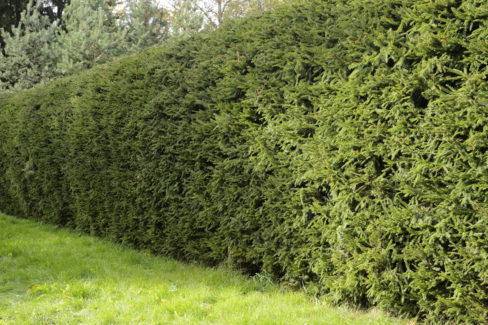
Spruces are a fantastic choice for creating a natural boundary in your yard. Thanks to their unique characteristics, they make excellent hedges that offer plenty of privacy. If you’re looking to grow a lush, evergreen screen, there are a few key things to keep in mind right from the start. Here’s how to get your spruce hedge thriving.
The Perks of a Spruce Hedge
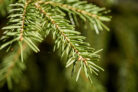
Spruces are surprisingly well-suited for hedging. One of the biggest pluses is their rapid growth rate, which means the individual trees fill in and knit together quickly. Plus, since spruces are evergreens, they keep those vibrant needles all through the fall and winter, giving you a reliable, year-round privacy shield.
Top Varieties for Your Yard
While there are many types of spruce, two varieties really stand out when it comes to hedging:
- The Norway Spruce (Common Spruce)
- The Serbian Spruce
Getting Your Hedge in the Ground
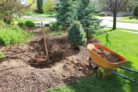
If you’re picking up established plants from a local nursery or garden center, you can generally plant them anytime between March and September, as long as the ground isn’t frozen. However, if you’re starting your hedge from saplings, it’s best to get them in the ground during the spring.
Getting the Spacing Just Right
To get that “solid wall” look, spacing is everything. If you plant them too far apart, you’ll be waiting forever for the gaps to close. For a dense hedge, I recommend spacing your plants about 2 to 2.5 feet (60 to 80 centimeters) apart.
Don’t forget to give the hedge some breathing room from buildings, walls, sidewalks, or your property line. Spruces don’t just grow up; they grow out. You also have to account for their wide-reaching root systems, which stay relatively close to the surface.
Caring for Your New Hedge
During those first few months, make sure your new spruces get plenty of water to help them establish strong roots. While you don’t strictly *need* to fertilize them, your trees will love a nice layer of mulch made from grass clippings or fallen leaves. This not only adds nutrients but also provides a little extra insulation against frost during the winter.
Keeping Things Tidy with Pruning
In the wild, a spruce doesn’t really need a haircut. But in a hedge setting, pruning is your best friend. To keep it looking sharp, you’ll want to trim back any stray shoots that break the line of the hedge. Regular trimming actually encourages the branches to grow denser, which is exactly what you want for a private screen.
Plan to prune your spruce hedge at least once a year—June is usually the sweet spot for this. If it’s growing particularly fast, you can go in for a second trim in August or September.