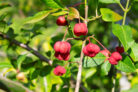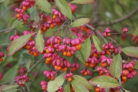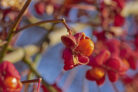
The Spindle tree, known botanically as *Euonymus*, originally hails from Japan and Korea. You’ve probably spotted the larger varieties—which can reach up to 13 feet tall—adding a splash of color to local parks. However, the lower-growing types are absolute rockstars when it comes to garden hedges.
The Varieties
While the European Spindle makes a stunning standalone specimen, other varieties work beautifully as medium or low hedges, groundcovers, or even climbers. Here are a few fan favorites:
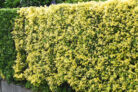
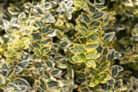
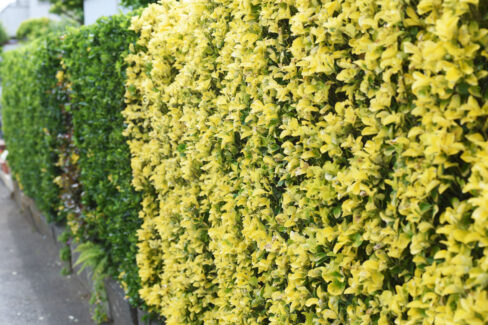
- Emerald ‘n Gold: A Japanese variety with gorgeous yellow-and-green leaves that stays compact at about 20 inches.
- Emerald ‘n Gaiety: Similar to its “Gold” cousin, but with crisp white-and-green foliage, also reaching about 20 inches.
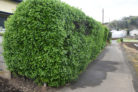
- Vegetus: A solid green Japanese variety that grows a bit taller, up to about 4 feet.
- Wintercreeper: Known for its creeping stems, this one makes a perfect knee-high hedge.
Location and Soil
For the most part, *Euonymus* loves well-drained soil rich in organic matter, though it’s pretty adaptable to other soil types. The native European variety is even tough enough to handle heavy, wet soil. If you’ve picked a variegated variety with colorful leaves, give it plenty of light! The sunnier the spot, the more vibrant those colors will be. Plus, you’ll get a much more intense show of fall colors if the plant gets plenty of sunshine.
Growing a Hedge
A *Euonymus* hedge is a total head-turner, but you’ll want to choose your variety wisely. The lower-growing types are usually your best bet for a tidy look.
Because the European Spindle can tower over 13 feet, it’s usually grown as a standalone focal point or used in large parks for privacy screening. These big guys can be pruned in the fall without a fuss—they’re tough enough to handle even a heavy “rejuvenation” cut.
For your garden hedge, you can keep things looking neat year-round by snipping off any diseased or stray branches as you see them. Just a heads-up: save the heavy-duty pruning and thinning for before or after bird nesting season to keep the local wildlife happy! The best time to trim the height is in the spring. Pro tip: stretch a string across at your desired height before you start cutting. This ensures a straight line and helps the hedge grow in thicker and fuller over the years.
Preventing Pests and Disease
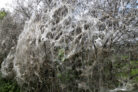
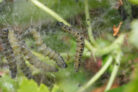
When the weather gets damp, *Euonymus* hedges can be a bit prone to powdery mildew and rust. To stay ahead of the game, I recommend spraying your hedge regularly with a natural tea made from horsetail and stinging nettle. This “plant brew” acts like a vitamin boost for your shrubs, strengthening their defenses against fungi. Also, try to water only at the base of the plants during dry summer spells. Keeping the foliage dry prevents that humid microclimate where mold loves to grow!