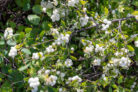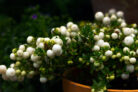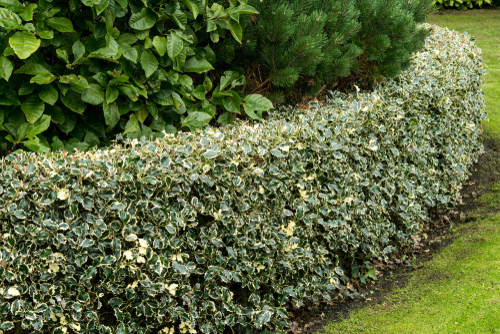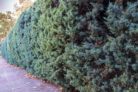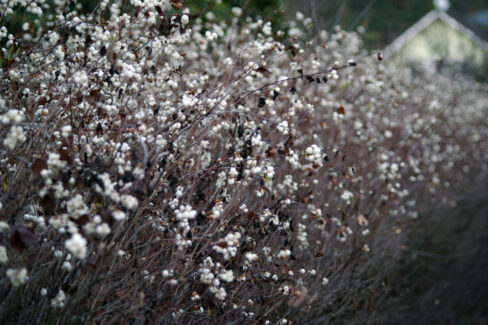
The snowberry—or “Symphoricarpos” if you want to get fancy—is more than just a standalone shrub. While many of us remember popping those white berries as kids (hence the nickname “popping berries”), they are actually fantastic for creating hedges in your garden or along pathways. Here is everything you need to know to grow a perfect snowberry hedge.
What Kind of Hedge Does the Snowberry Make?
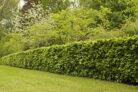
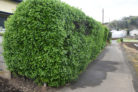
First things first: snowberries are deciduous, meaning they drop their leaves in the fall and stay bare through the winter. Because of this, they aren’t the best choice if you’re looking for a year-round privacy screen. However, they are absolutely perfect for naturalistic, informal hedges, especially when mixed with other berry-producing shrubs.
Finding the Right Spot
One of the best things about snowberries is that they are incredibly unfussy. They are low-maintenance champions that can thrive almost anywhere. Even those tricky, dark, shady corners of your yard where nothing else seems to grow? The snowberry will do just fine there. It’s the ultimate “problem-solver” plant for your landscape.
Spacing for a Dense Hedge
To get that nice, full hedge look, you’ll want to space your plants about 20 to 40 inches (50 to 100 cm) apart, depending on the specific variety you choose. Don’t worry if it looks a little sparse at first; these shrubs are fast growers and will fill in those gaps to create a thick thicket in no time.
Mixing It Up with Wildlife-Friendly Shrubs
A snowberry hedge doesn’t have to be a monoculture. To add some visual variety and boost the ecological value of your garden, try mixing snowberries with other shrubs that birds love. Great companions include:
- Elderberry
- Cornelian cherry
- Viburnum (Snowball bush)
- Rowan (Mountain ash)
- Currants
This mix creates a stunning visual display and turns your garden into a five-star resort for local birds and pollinators. Just a quick heads-up: while birds love them, those little berries are mildly toxic to humans, so keep them off the dinner table!
Caring for Your Snowberry Hedge
If you’re a “set it and forget it” kind of gardener, you’re going to love the snowberry. They require very little attention. You generally won’t need to fertilize them, and extra watering is only necessary during exceptionally hot, dry summers. For the most part, these plants are experts at sourcing their own water and nutrients.
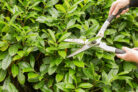
Because they grow so quickly—adding up to 20 inches in height and width every year—you’ll want to do some regular pruning to keep the shape under control. Also, keep an eye out for “suckers” (new shoots popping up from the roots) and remove them if you want to prevent the hedge from spreading further than intended.