
Evergreens are the real MVPs of the garden, keeping things lush and colorful even when the rest of the landscape looks a little bleak. Today, I’m sharing seven of the most popular evergreen picks, plus a personal favorite that’ll brighten up your winter beds.
[[pflanzen]]
++Honeysuckle (Lonicera henryi)
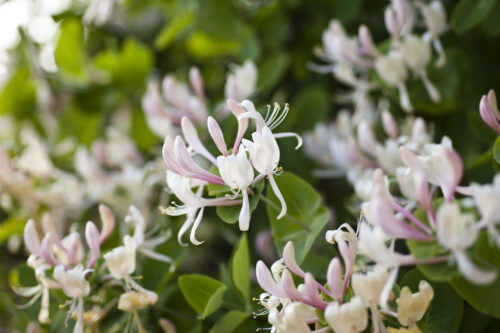
Evergreen honeysuckle is a powerhouse grower, adding up to two feet of length every year to create a dense, leafy screen. Since it’s a climbing vine, you’ll definitely want to provide a trellis or fence for it to grab onto. It’s a huge hit in the summer, too—during June and July, it produces trumpet-shaped flowers that smell absolutely amazing on a warm day. By fall, those blooms turn into black berries that local birds love to snack on. Just a quick tip: winter sun can actually cause some freezer burn on the leaves, so it’s happiest in a spot with partial to full shade.
++Hens and Chicks (Sempervivum)
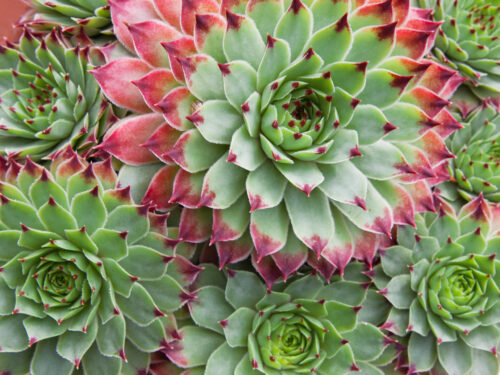
If you’re looking for something low-maintenance, you can’t beat Hens and Chicks. These hardy succulents form adorable rosettes that stay green right through the frost. Their botanical name, *Sempervivum*, literally means “always living,” which is a nod to how tough they are—they’ll spread into a beautiful living carpet even in poor soil. Depending on the variety, they’ll send up tall, striking flower stalks in shades of white, yellow, pink, or red sometime between late May and August.
++Boxwood (Buxus)
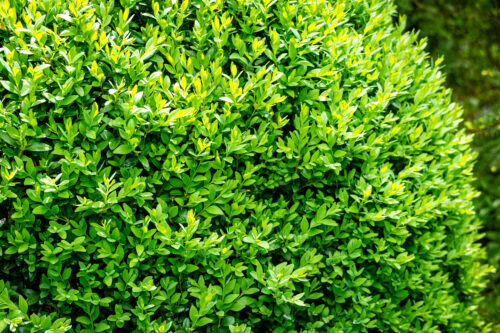
Even though boxwoods can sometimes struggle with pests and diseases, they remain a staple in American gardens. These densely branched shrubs have tiny, classic leaves that can be round or oval depending on the cultivar. Because they handle pruning so well, they’re the go-to choice for formal hedges or fancy topiary shapes. If you run into trouble with the boxwood moth caterpillar, don’t panic—organic sprays are usually very effective at keeping them in check.
++Arborvitae (Thuja occidentalis)
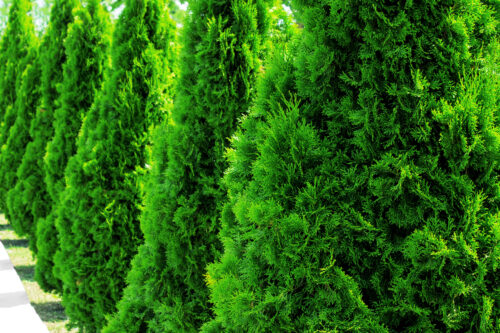
Arborvitae (or “Thuja”) is probably the most popular choice for privacy hedges and accent trees. They’re fast-growing and tough, reaching up to 50 feet if left unpruned. If you have a smaller space or want a Mediterranean vibe, look for the narrower, columnar varieties. Their flat, fan-like needles stay vibrant green all winter long. Fun fact: if you rub the needles between your fingers, they release a wonderful, spicy-aromatic scent!
++English Ivy (Hedera helix)
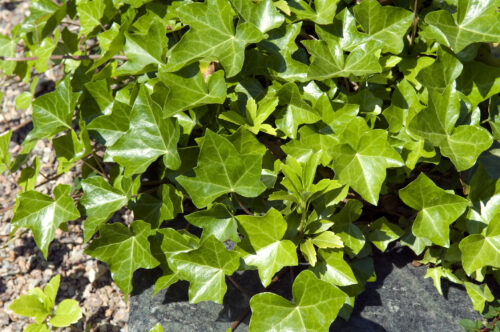
English Ivy is a classic for a reason. It’s incredibly unfussy and uses tiny aerial roots to climb up walls or spread across the ground as a thick mat. Whether your yard is sunny or deep in the shade, ivy will bring year-round greenery to even the trickiest corners. From September to October, it produces small clusters of flowers that are a vital late-season nectar source for bees and other pollinators.
++Bamboo (Bambusoideae)
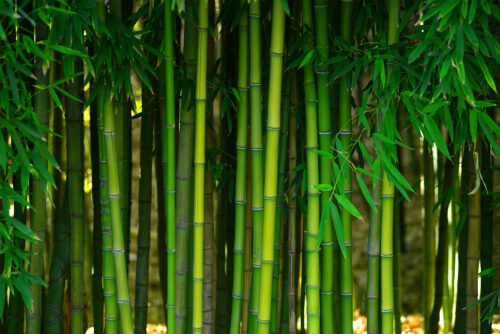
Bamboo isn’t just for Zen gardens! Because it grows so incredibly fast, it makes an excellent “living fence” to block out the neighbors even in the dead of winter. Just a heads-up: many *Phyllostachys* species are “runners,” meaning they spread via underground rhizomes. To keep them from taking over the whole neighborhood, always use a root barrier when planting. Also, since those big leaves lose moisture in the sun, make sure to give your bamboo a good drink on frost-free winter days.
++Cherry Laurel (Prunus laurocerasus)
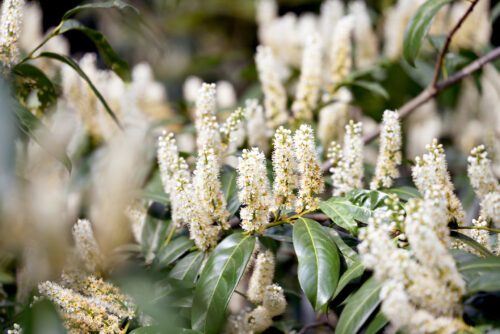
This super-popular evergreen is a favorite for hedging, but it also looks great as a standalone shrub, reaching heights of about 12 feet. Cherry Laurel is a “plant it and forget it” kind of shrub—it thrives in almost any soil, handles sun or shade, and is surprisingly drought-tolerant. In late spring, it puts on a show with fragrant white flower spikes followed by dark berries. Just keep in mind that the leaves and seeds are toxic, so keep an eye on pets and kiddos.
%%Christmas Rose (Helleborus niger)
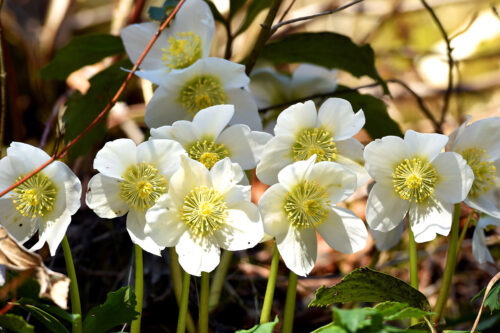
Here is my “pro tip” for winter color! The Christmas Rose (Hellebore) doesn’t just offer leathery, evergreen foliage; it actually blooms with stunning white, pink, or red flowers right when the rest of the garden is sleeping. Hellebores are incredibly hardy and long-lived—some can thrive for decades! They love the dappled shade under trees and will happily naturalize over time. One word of caution: they hate having their roots messed with, so try to pick a “forever home” for them and avoid transplanting them once they’re settled.