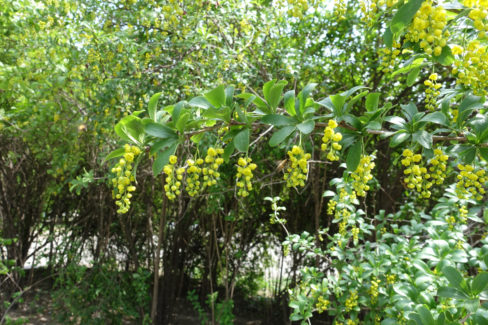
Evergreen barberries are a fantastic choice if you’re looking to create a lush, “neighbor-proof” privacy hedge or just want a standout specimen shrub for your yard. But here’s a quick heads-up: not all barberries stay green all year—some are deciduous and drop their leaves when the weather cools down. To help you pick the right one, I’ve put together a guide to the most popular evergreen varieties.
The Perk of Staying Green
When we talk about “evergreen” barberries, we mean they keep their foliage through the fall and winter instead of going bare. This means your garden stays vibrant year-round with glossy, eye-catching leaves that range from deep greens to sunny yellows and even rich reddish tones.
Using Evergreen Barberry for Privacy
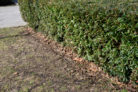
If you’re over the look of cold metal fences or stone walls, an evergreen barberry hedge is a beautiful, natural alternative. The biggest selling point? Total privacy. Since these varieties don’t shed their leaves, your hedge stays thick and dense even in the dead of winter, keeping prying eyes out of your garden 365 days a year.
The Most Popular Evergreen Varieties
If you’re looking to plant a hedge, these are the go-to evergreen species you’ll likely come across:
- Wintergreen Barberry (Berberis julianae): A heavy hitter that can reach up to 10 feet tall.
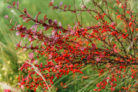
- Lancescarlet Barberry (Berberis gagnepainii var. lanceifolia): Grows to about 6 feet and features stunning red-tinted foliage in the winter.
- Golden Barberry (Berberis stenophylla): A tall grower reaching 6 to 10 feet.
- Warty Barberry (Berberis verruculosa): A more compact option that tops out around 5 feet.
- Small-Leaved Barberry (Berberis stenophylla): A versatile variety that grows up to 6 feet.
Evergreen Dwarf Varieties
Not every spot in the garden needs a massive hedge! If you’re looking for a low-profile room divider or a decorative accent, these smaller evergreen types are perfect:
- ‘Amstelveen’ Barberry (Berberis frikartii): This one stays between 2 and 3 feet tall and has a lovely, naturally rounded shape.
- Hooker’s Barberry (Berberis hookeri): Reaches a maximum of 5 feet and features unique leaves with a cool blue-white underside.
A Pro Tip for Your Garden
To keep your evergreen barberry looking its best, you’ll want to give it a trim once a year. The best time for a maintenance prune is right after the flowers fade. Cutting it back encourages new growth and more branching, which results in a much thicker, fuller look for your hedge.