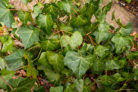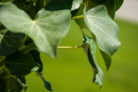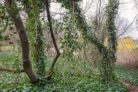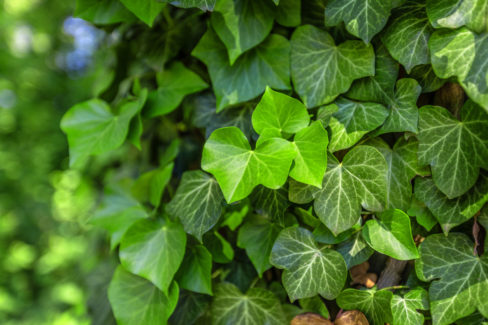
Most of the time, we don’t really think of English Ivy as a flowering plant. Whether it’s climbing up a garden wall or hanging from a shelf indoors, we usually love it for that lush, evergreen foliage. But if you take a closer look, those blooms are actually pretty fascinating. While local pollinators absolutely love them, we humans need to keep a few safety tips in mind.
Patience is a Virtue: The “Adult” Phase
If you’ve had your ivy for a few years and haven’t seen a single bud, don’t worry—your plant isn’t broken! It just hasn’t reached its “adult” phase yet. In its younger years, ivy focuses all its energy on growing long, trailing vines. It usually takes about 10 years for a plant to mature and start putting its energy into flowers and seeds. We call this the arborescent (or adult) form. A decade might feel like a long time to wait for a bloom, but considering these plants can live for several centuries, ten years is just a drop in the bucket!
Fall Blooms: A Late-Season Buffet
Whether you’re growing Hedera as an indoor plant or using it to fill your balcony planters, the timing stays the same. Ivy is a “late bloomer,” showing off its flowers in September and October.
This late schedule is actually a huge win for your garden’s ecosystem. By the time fall rolls around, most flowers have faded, leaving bees, butterflies, and other pollinators with very few options. Ivy provides a much-needed late-season feast for our buzzing friends.
What Do Ivy Flowers Look Like?
To be honest, ivy flowers aren’t exactly “showstoppers” in the traditional sense. They’re a bit more subtle than a rose or a lily, but they have their own unique charm:
- They grow in clusters called umbels (kind of like a little floral umbrella).
- Each cluster can have up to 20 tiny, individual flowers on small stalks.
- The color is a muted yellowish-green.
- They are packed with nectar and have a distinct, sweet scent.
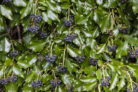
- In the spring, these flowers turn into small, round berries.
Safety First: Keep an Eye on Those Berries!
If you leave the faded flowers on the plant, you’ll eventually get seeds that you can use for propagation. Growing your own ivy cuttings or seedlings is a fun project, but there’s a big “heads up” here: those dark little berries are highly toxic.
For adults, it’s easy enough to just not eat them. However, if you have curious toddlers or pets, you need to be extra careful. The berries can be very tempting to little ones who don’t know better.
Because a large, mature ivy plant can produce thousands of berries, it’s almost impossible to deadhead them all. If you have small children or pets that like to nibble on the garden, you might want to reconsider where you plant your ivy—or if you should have it at all.
Quick Tip:
It’s not just the berries—the leaves are toxic too! Whenever you’re pruning or handling your ivy, I highly recommend wearing gloves and long sleeves to avoid skin irritation. Want to learn more? Check out our full English Ivy profile for all the facts.