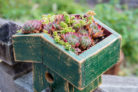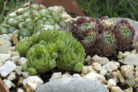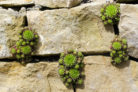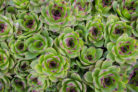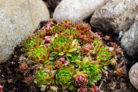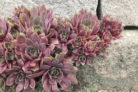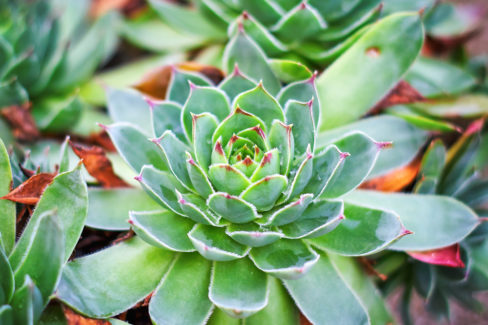
Hens and Chicks (Sempervivum), also known as “Houseleeks” or “Stone Roses,” are part of the hardy succulent family. If you ask a biologist exactly how many species there are, you might get a different answer every time! That’s because there are over 7,000 known varieties out there. Depending on who you ask, these are grouped into anywhere from 40 to 200 distinct species.
Versatile Plants for Every Nook and Cranny
Because there’s such a huge variety of Hens and Chicks, you can find a type that thrives just about anywhere in your yard. Some varieties are total sun-worshippers that love soaking up the heat and barely need any water or nutrients. On the flip side, other types prefer hanging out in the shade or partial shade and appreciate a bit more “food” in their soil. This versatility makes them a gardener’s best friend—no matter your light or soil conditions, there’s probably a Sempervivum that will feel right at home.
Popular Varieties to Try
In the wild, these hardy plants are mostly native to Southern Europe, stretching from the Iberian Peninsula all the way east to Northern Iran. While they naturally pop up in mountainous regions, they are incredibly easy to grow in your own garden. Here are a few fan favorites to look for:
- Common Houseleek (Sempervivum tectorum) – Features beautiful pink, purple, and white blooms.
- Cobweb Houseleek (Sempervivum arachnoideum) – Known for its cool “webbed” look and pink flowers.
- Rolling Hens and Chicks (Sempervivum globiferum) – Produces yellowish-white blossoms.
- Mountain Houseleek (Sempervivum montanum) – Sports deep red flowers.
- Large-flowered Houseleek (Sempervivum grandiflorum) – Shows off yellow and white blooms.
- Styrian Houseleek (Sempervivum pittonii) – Features lovely yellow flowers.
A Plant Steeped in History and Folklore
Using Hens and Chicks in the garden isn’t just a modern trend; it actually goes back centuries. Historically, these plants weren’t just valued for their looks—they were believed to have healing powers and even magical properties! For instance, people used to plant the “Jupiter’s Beard” variety on their roofs because they believed it would protect the house from lightning strikes. During bad storms, some would even burn the plant in their stoves as a good omen to keep the family safe. There was even a superstition that if your Hens and Chicks grew unusually long flower stalks, a big life event was right around the corner for your family. So, when you add these to your garden, you’re not just planting a succulent—you’re planting a little piece of history!