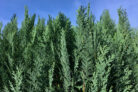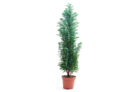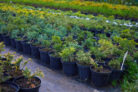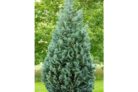
False Cypresses are famous for being fast growers that love to take up space. When you’re getting ready to put them in the ground, you’ve got to think ahead—not just about where they’ll look good, but how much room they’ll need to stretch out as they mature.
The Impressive Growth Habits of False Cypress
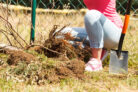
The False Cypress has a serious growth spurt in its DNA, shooting up toward the sky and branching out wide at the same time. You really want to map out your space before you start digging. Trust me, it’s much easier to plan now than to try and transplant a massive, established tree later because it outgrew its welcome!
Choosing the Right Spacing for Your Setup
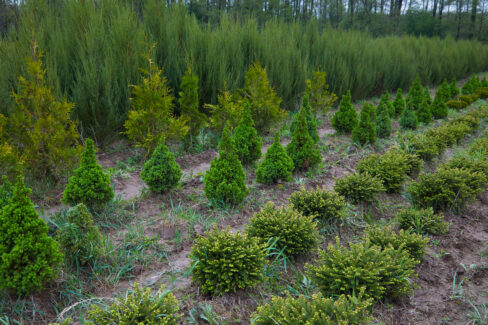
When planting False Cypresses, picking the perfect sunny spot is only half the battle. You also need to keep a respectful distance from other plants and structures. The “magic number” for spacing really depends on how you’re using them in your landscape. Usually, we’re looking at two main styles:
- Standalone specimen trees (solitary plants)
- Privacy hedges
Standalone Specimen Trees
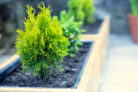
If you’re planting a single False Cypress as a focal point, give it some breathing room—aim for about 30 square feet of dedicated space. This ensures the tree can reach its full, beautiful potential without crowding out its neighbors. Keep in mind that because these trees get so tall and wide, they can easily cast a “shadow blanket” over smaller plants, stealing the sunlight they need to survive.
False Cypress Hedges
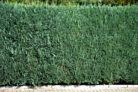
If you’re looking to build a False Cypress hedge, getting the spacing just right is the secret to that lush, “wall of green” look. You want them close enough to provide privacy, but far enough apart to stay healthy. I recommend planting them about 20 inches (50 cm) apart. This distance allows the branches to knit together quickly into a dense screen without the individual trees fighting each other for resources.
Keeping Your Distance from Fences and Buildings
If you’re planting near your house, a shed, or a fence, give it a wide berth—about six feet is a good rule of thumb. It’s not just the branches you have to worry about; the root systems are quite vigorous too. Keeping that distance helps prevent those powerful roots from causing any drama with your foundation or walls down the road.
Spacing as a Natural Health Guard
One last pro-tip: don’t pack your plants in too tightly! Good airflow is your best friend when it comes to preventing pests and diseases. If your plants have a little “personal space,” it’s much harder for a localized issue to jump from one tree to the next, keeping your whole garden much happier in the long run.