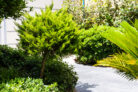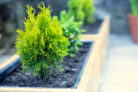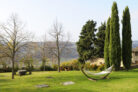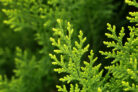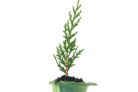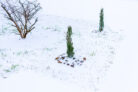
The Italian Cypress is the ultimate symbol of the Mediterranean. With its tall, elegant silhouette, it’s the tree that gives Tuscany its iconic look—which is exactly why you’ll often hear it called the “Tuscan Cypress.” Unlike the common False Cypress we see in many yards, these Mediterranean beauties aren’t fully winter-hardy in every climate. If you live in a region with harsh winters, an outdoor cypress can freeze quickly if it doesn’t have the right protection.
Italian Cypresses have shallow, wide-reaching roots
In their native habitat, Italian Cypresses are true survivors, capable of settling into almost any type of soil. These evergreens are shallow-rooted, meaning their roots stay close to the surface but spread out quite aggressively.
This is something you really need to keep an eye on in your own backyard. That massive root system can easily lift up paved walkways or patio stones. Plus, in their search for water, some roots will actually dive deeper into the ground. A word of advice: never plant an Italian Cypress directly over water lines. Those fine hair roots are notorious for finding their way into pipes and causing some serious damage.
How deep those roots actually go usually depends on your soil quality:
- In heavy, clay-like soil, the root system tends to stay right near the surface.
- In sandy soil, the hair roots will reach significantly deeper down.
How to remove an Italian Cypress stump
If you have a Tuscan Cypress in your yard that has outgrown its welcome, you have a couple of options for getting rid of it:
- You can saw the tree down and put in the elbow grease to dig out the roots manually.
- Alternatively, you can cut the tree down close to the ground and let the stump rot away naturally. To speed things up, use a sharp saw to cut deep notches into the stump and pack those slits with compost every so often.
A few extra creative tips
If you want to skip the heavy digging, why not get creative? Instead of removing the stump, use it as a decorative pedestal for flower boxes. You can plant trailing flowers that spill over the sides to give your garden a gorgeous vertical accent. Just leave the trunk a bit taller when you saw it down, and it can even serve as a natural trellis for climbing vines.
If you prefer a lower profile, cut the cypress very close to the ground. You can then plant young starts all around the remaining wood “disc.” Over time, the plants will beautifully overgrow the stump, turning a removal project into a stunning garden feature.