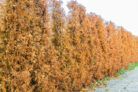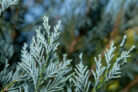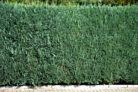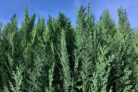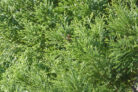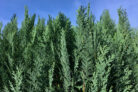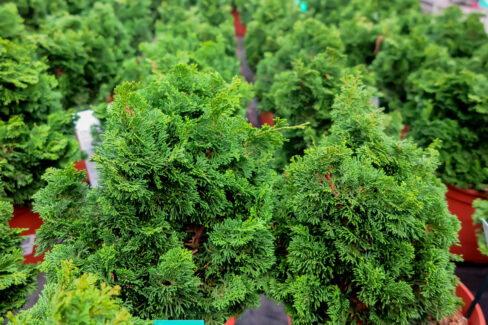
Thinking about adding some False Cypress to your landscape? These evergreens are fantastic, but to keep them looking their best, you’ve got to nail the location and the upkeep. Here’s the lowdown on how to get your False Cypress off to a great start.
Ways to Grow False Cypress
False Cypress (Chamaecyparis) is a real superstar in the gardening world. They’re tough, they grow fast, and they’re incredibly versatile. Depending on your space, you can grow them as:
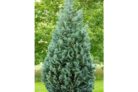
- A stunning focal point (specimen plant) in your yard,
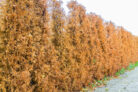
- A lush privacy hedge,
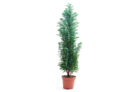
- A container plant for your patio,
- Or even a tiny, artistic bonsai.
Finding the Perfect Spot
Before you start digging, pick the right home for your plant. False Cypress absolutely loves the sun. While they can survive in shadier spots, they won’t reach their full, vibrant potential without plenty of light.
As for the soil, they like it well-draining and rich in nutrients. Pro tip: mix some compost or horn shavings into the soil right at the start. Giving them that nutrient boost from day one makes a huge difference!
Spacing Matters
Don’t crowd them! These plants are fast growers and need their “personal space” to thrive. Check out our guide on proper spacing to see how much room your specific variety needs.
If you’re planting a single tree as a focal point, give it about 30 square feet of space. If you’re planting near a house or a wall, keep it at least 6 feet away to account for its future growth. For a hedge, space your plants about 20 inches apart. This gives you that thick, “wall of green” look without the plants choking each other out.
When to Plant
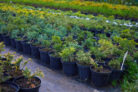
If you’re buying a potted tree from a nursery, you can technically plant it year-round. However, fall is the absolute sweet spot for planting—it gives the roots time to settle in before the summer heat hits. Container-grown plants and bonsais are a bit more flexible and can be repotted or moved just about any time.
Moving Your False Cypress
Sometimes a plant just isn’t happy in its current spot, or it’s starting to outgrow its welcome. If your tree is still young, transplanting it is usually a breeze. But be warned: once these trees get older, they develop massive, sprawling root balls. At that point, digging them up becomes a major workout—or even impossible—so try to pick a “forever home” for them while they’re small!