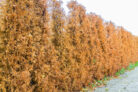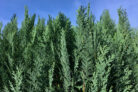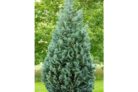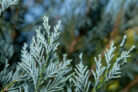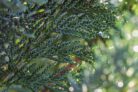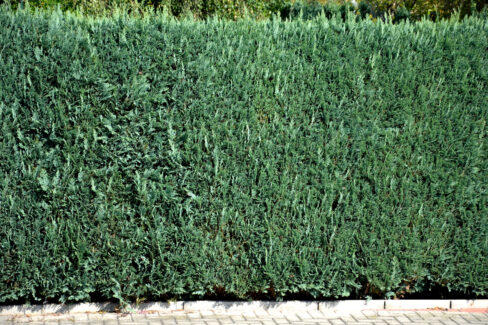
False Cypress (Chamaecyparis) is a fantastic choice for a privacy hedge because it grows so vigorously. However, to get that perfect “living wall” look, there are a few things you’ll want to keep in mind. Here’s my guide to creating a flawless False Cypress hedge in your own backyard.
The Best Spot for Your False Cypress Hedge
False Cypress hedges are perfect for marking property lines or framing your driveway and garden paths. They provide a lush, green backdrop that stays beautiful year-round.
How to Plant Your Hedge
Ready to get your hands dirty? Follow these steps to get your hedge off to a great start:
- To make sure your hedge grows in a perfectly straight line, use a level or stretch a piece of string between two stakes as a guide.
- Dig your planting holes and set each False Cypress inside. Cover the root balls with soil—pro tip: mix your soil with some natural fertilizer like compost or horn meal before filling the hole back in.
- Give the entire hedge a thorough watering right after planting to help settle the soil.
Getting the Spacing Just Right
When you’re planting a hedge, spacing is everything. If you plant them too far apart, you’ll end up with awkward gaps that take forever to fill in.
For a dense look, aim for about 20 inches (50 cm) between each plant. Also, don’t forget to give the hedge some breathing room from hardscapes; keep it a safe distance from fences and walls, and try to stay about six feet away from any buildings.
Mixing It Up with Other Plants
If you want to add some visual interest and break up the solid green wall, try mixing False Cypress with other hedge favorites. They play really well with:
- Arborvitae (Thuja),
- European Hornbeam,
- or Winter Jasmine.
Caring for Your Hedge
During those first few years, your hedge needs a little extra TLC while it establishes its root system. Make sure to water it regularly and keep it fed with the right nutrients. I highly recommend a nice layer of mulch made from compost or garden clippings. Not only does this provide a steady “snack” for your plants, but it also does a great job of suffocating weeds.
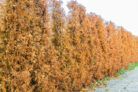
To keep things looking sharp, you’ll want to do some regular trimming. Just snip off any stray branches that are poking out of line. Once the hedge reaches your goal height, you can “top” it by cutting the leading shoots. These tips will turn brown and drop off, which signals the plant to stop growing upward. Finally, don’t forget to thin out old or dead branches occasionally to keep the interior from getting too sparse!