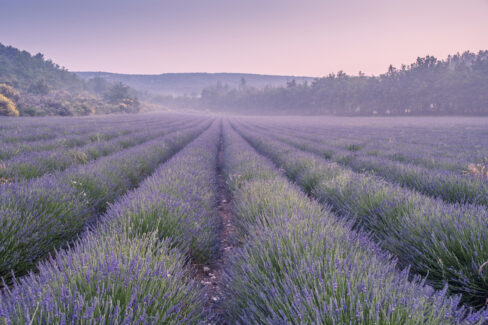
Getting your plant spacing just right is one of those “make or break” moments in garden design. If you nail it, you get that lush, dense look—perfect for creating beautiful hedges. But if you crowd them too much, your plants will end up fighting for resources.
What determines the spacing?
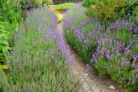
Whether you’re dreaming of a fragrant lavender hedge or a tidy border for your flower beds, keeping the right distance in mind is key. You want them close enough to fill in the gaps, but far enough apart so their root balls aren’t competing for water and nutrients.
Spacing isn’t a “one size fits all” deal, though. There are many different lavender varieties out there, and they all have different growth habits. Some stay small and compact, while others get quite tall and wide—and their root systems follow suit. You’ll want to keep these specific traits in mind before you start digging.
The “Golden Rule” for your garden planning
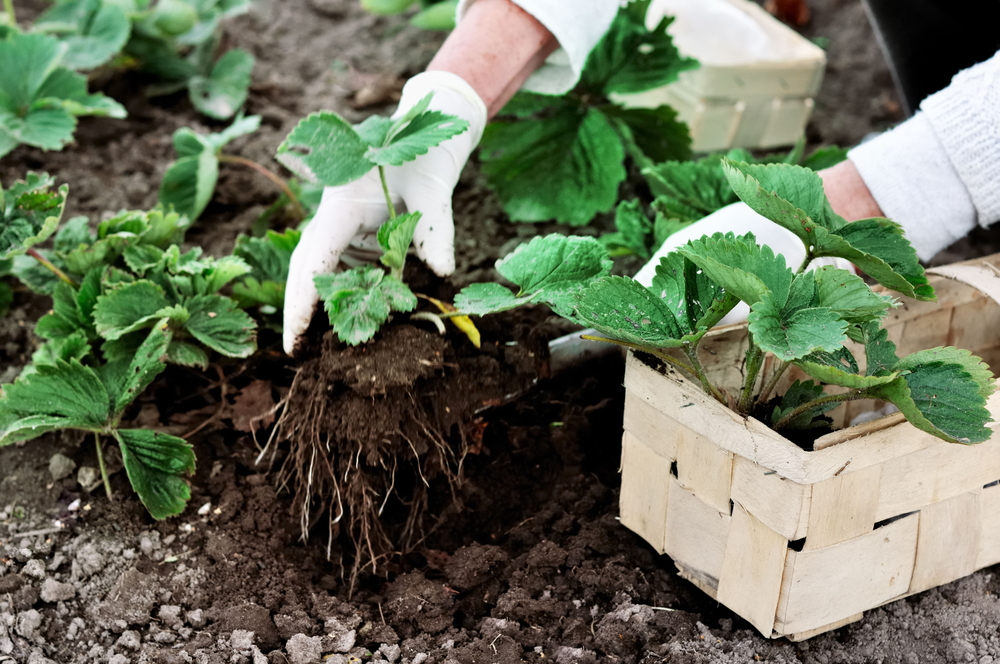
As a general rule of thumb, lavender loves its personal space. To keep it happy, don’t cram it too close to its neighbors. A great trick for planning is to look up the typical mature height of the variety you’re planting. Take that height, cut it in half, and use that number as your spacing distance. Once you’ve got your measurements, you’re ready to dig your holes and get those plants in the ground.
By getting the spacing right, you’re ensuring:
- Plenty of room for healthy root development
- Enough moisture for every plant
- Maximum sunlight for the foliage above ground
If you’re planting dwarf varieties, you can get away with much tighter spacing. For example, ‘Blue Dwarf’ only needs about 12 to 18 inches between plants. Larger varieties, however, will need significantly more room. Just remember: the goal is to make sure that once they’re fully grown, they aren’t casting each other into the shadows. Lavender is a total sun-worshiper, after all!