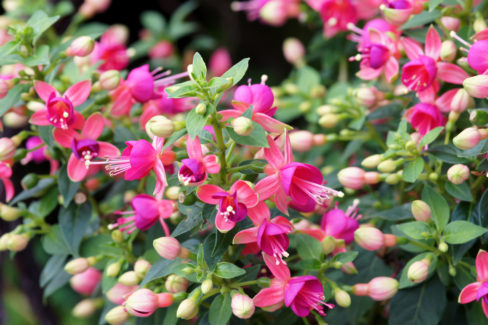
Pruning your fuchsias is the secret sauce to getting those lush, vibrant blooms we all love. If you want your plants to stay healthy and full, a little haircut goes a long way. Here’s the lowdown on how and when to prune your fuchsias like a pro.
Why You Should Prune Your Fuchsias
Fuchsias are a bit picky—they only grow flowers on new wood. If you leave old branches alone, they’ll just turn woody and bare, and you won’t see any of those gorgeous bell-shaped flowers. Regular pruning keeps the plant from getting “leggy” or sparse. Plus, thinning out the old growth gives the plant more “breathing room,” allowing air and light to reach the center so it can focus its energy on fresh, healthy stems.
Timing is Everything
When it comes to fuchsias, there are two main windows for pruning:
- In the fall, right before the first frost hits.
- In the spring, once the winter dormancy is over.
The Fall Pruning: Prepping for Winter
Before you tuck your fuchsias away in a cool, dark spot for the winter, you’ll want to give them a good cut. You can safely take off about a third of the plant’s total size. This is the perfect time to strip away old leaves, spent flowers, and any overly woody stems. A good rule of thumb is to leave one or two “nodes” (those little bumps where leaves grow) on each branch. This is where the magic happens when the plant wakes up again!
The Spring Pruning: A Fresh Start
If you did a heavy prune in the fall, you can go a bit easier on them in the spring. Spring pruning is especially important if you overwintered your plants in a brighter spot (above 55°F). Giving them a quick trim in the spring encourages the plant to push out brand-new growth, which—you guessed it—means way more flowers for the coming season.
The Right Tools for the Job
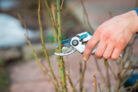
Don’t just grab any old kitchen scissors! Make sure you’re using a sharp garden knife or a clean pair of pruning shears. You want a nice, clean snip. Dull blades can crush the stems, which stresses the plant out and makes it harder for it to heal.
A Pro Tip for Your Garden
Don’t toss those clippings in the compost just yet! Those healthy trimmings make perfect cuttings for propagation. With a little luck and some potting soil, you can grow a brand-new plant that’s a genetic twin to your original. It’s basically a free plant—and who doesn’t love that?