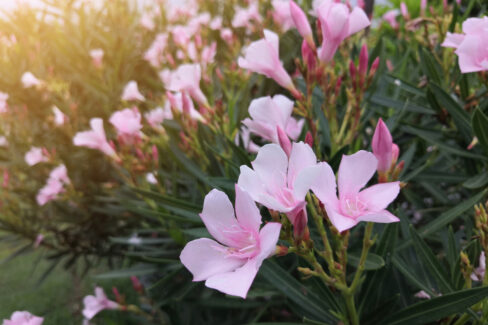
If you want your oleander to thrive, keeping it well-fed is priority number one. When it comes to fertilizing these beauties, it’s not just about what you use, but how and when you apply it.
Oleanders are “Heavy Feeders”
In the gardening world, we call oleanders “heavy feeders,” meaning they have a massive appetite for nutrients. Even though we associate them with the Mediterranean, they actually naturally grow along damp riverbanks where the soil is incredibly rich. If you want that lush growth and a literal explosion of flowers, you’ve got to make sure your oleander is getting a steady supply of “fuel.”
Timing is Everything
To get the best results, you need to sync your fertilizing schedule with the plant’s natural rhythm.
Take a Break in the Winter
During the chilly months and while your plant is overwintering, put the fertilizer away. The plant is in its dormant phase and isn’t focused on putting out new shoots or blooms, so extra nutrients aren’t necessary. Just remember: even though they aren’t eating, they still need a little water during the winter!
Fertilizing During the Growing Season
Once the winter nap is over, start your feeding routine back up in March. You’ll want to keep it going through the spring and summer, but stop by mid-August at the latest. By September, the plant needs to start winding down and preparing for its winter rest.
Choosing Your Fertilizer
You’ve got plenty of options when it comes to picking a fertilizer. Some of the most common choices include:
- Solid slow-release fertilizers
- Liquid fertilizers (specifically for flowering plants or oleanders)
- Organic options
- Mineral fertilizers (like “Blaukorn” or blue granules)
- Potassium-rich fertilizers
The “Set It and Forget It” Method: Slow-Release Fertilizer
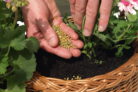
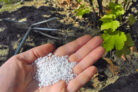
Slow-release fertilizer is a lifesaver for busy gardeners. Usually found as spikes or granules, you just mix it into the soil, and it gradually releases nutrients over several months. It’s almost impossible to over-fertilize this way because the nutrients aren’t dumped all at once.
This is also a fantastic choice to mix in right after repotting or transplanting to give your oleander a great head start.
The Weekly Routine: Liquid Fertilizer
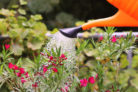
If you’re the type who enjoys a weekly garden ritual, liquid fertilizer is for you. You’ll typically add this to your watering can once or twice a week. Because it’s a liquid, it hits the roots almost instantly. Just be careful with the dosage—it’s much easier to accidentally overdo it with liquid feeds!
Going Natural with Organic Fertilizer
If you prefer the organic route, things like compost, horn shavings, or well-rotted manure work wonders. These act as a natural slow-release fertilizer, breaking down over time and feeding the soil microbes while they nourish your plant.
A Pro Tip from the Kitchen
Want a “secret” fertilizer? Don’t toss those old coffee grounds or tea leaves! Coffee grounds, in particular, are packed with nutrients that oleanders love. Since most of us have these in the kitchen anyway, it’s a great way to recycle and feed your plants for free.
Using Mineral Fertilizers (Blaukorn)
Mineral fertilizers like “Blaukorn” (blue granules) are very effective but require a steady hand. They are high in nitrogen, which is great for growth, but if you use too much, it can actually “burn” the roots. Use these sparingly to avoid over-fertilizing.
Potassium and Lime for Extra Strength
Oleanders aren’t the most cold-hardy plants, but you can give them a “winter jacket” by using a potassium-rich fertilizer in mid-to-late August. This helps strengthen the plant tissues before the cold hits. Don’t wait until September, though, or the plant won’t have time to absorb it.
In early spring, adding a bit of garden lime can also help. Oleanders actually love soil that is slightly alkaline (calcareous), so a little lime goes a long way in keeping them happy.
Watch Out for Over-Fertilizing
Always follow the instructions on the label! While over-fertilizing might not kill the plant immediately, it usually results in ugly brown leaf tips or brown spots on the leaves. These spots (necrosis) aren’t a disease, but they won’t go away on their own and can really ruin the look of your plant.
If you see these symptoms, it’s time to scale back the feeding. For potted oleanders, the best fix is to repot them into fresh soil and give them a good flush with plain water. Eventually, the damaged leaves will drop and new green ones will grow in, but it takes a bit of patience!