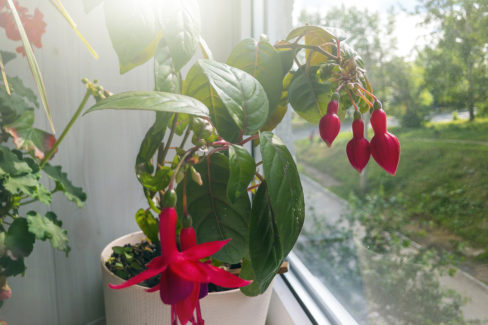
Let’s be real: Fuchsias are absolute showstoppers in the garden, but they aren’t exactly fans of the cold. If you leave them outside during a typical winter, they’ll freeze right up. To make sure you get to enjoy those gorgeous, bell-shaped blooms again next spring, you’ve got to give them a cozy place to ride out the frost.
Different Ways to Overwinter Your Fuchsias
- Sunrooms and greenhouses
- Basements or garages
- Window wells
- “Pitting” (burying them in the ground)
Getting Your Plants Ready for Winter
Before you move your fuchsias, you’ve got to do a little prep work. This usually means giving them a heavy prune and stripping off the leaves. Ideally, you want to keep them somewhere dry where the temperature stays between 38°F and 46°F (3 to 8 degrees Celsius).
Overwintering in Sunrooms and Greenhouses
If you have a sunroom or a greenhouse, you’re in luck—this is the easiest way to go. Since these spots get plenty of light, you don’t actually have to take all the leaves off. Just give them a little water every now and then (don’t overdo it!) and make sure to crack a window or vent the space occasionally to keep the air moving.
Overwintering in Basements and Garages
Dark basements or garages work great, too. For these spots, you definitely want to remove all the foliage first. If you’re using an older basement, keep an eye on the airflow; regular venting is key to preventing mold and rot. You only need to water them just enough so the root ball doesn’t bone-dry.
Overwintering in Window Wells
Believe it or not, dry and cool window wells can be a great hideout for fuchsias. Just make sure to line the well with some plastic sheeting to insulate it and keep the moisture out.
The “Pitting” Method (In-Ground Storage)
This is a classic gardener’s trick. You dig a pit about 2 to 3 feet deep and tuck your fuchsias inside. Again, they need to be heavily pruned and leaf-free for this. Cover them with a layer of leaf mold or straw, followed by about four inches of dry leaves. To keep the rain and snow out, top the pit with some wooden boards and a heavy-duty tarp.
If digging a hole sounds like too much work, you can also do an “above-ground” version. Lay the plant on the ground and cover it with a wooden crate. Then, heap leaves, a tarp, and some soil over the crate to insulate it from the frost.
Bringing Them Back Out in the Spring
Once the threat of frost has passed and you see new growth starting to peek out, it’s time to bring your fuchsias back into the sunshine! Just try to pick a somewhat sheltered spot at first while they get used to being outside again.