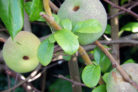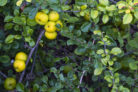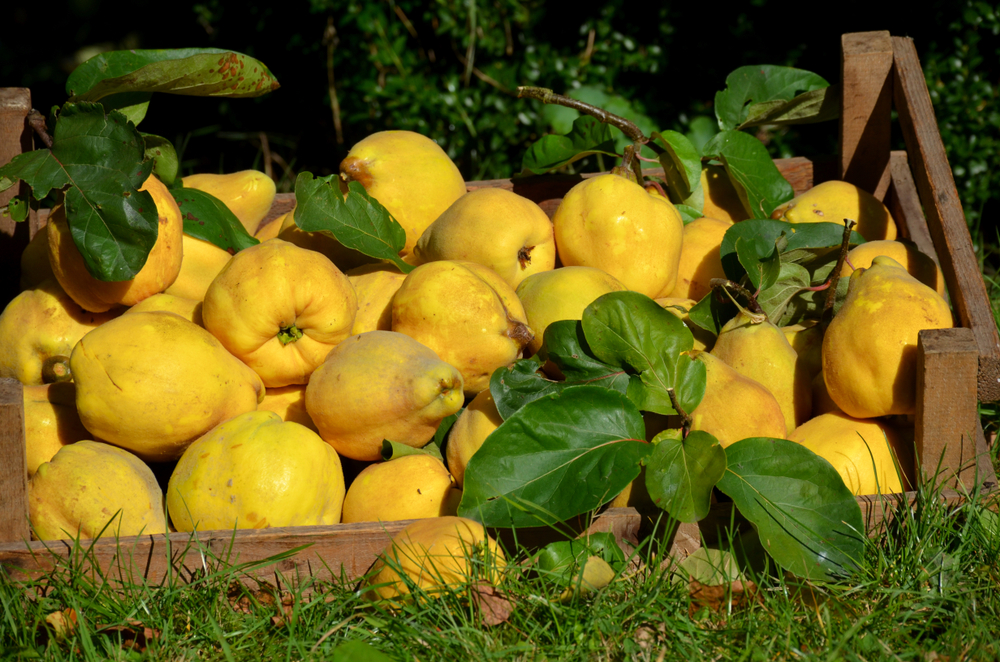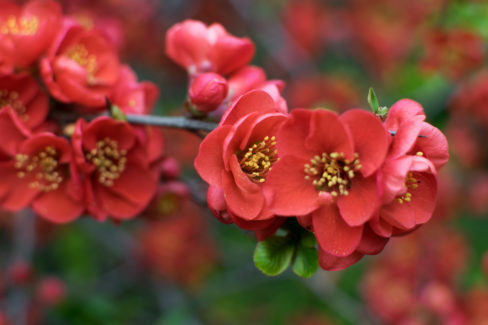
Flowering quinces are absolute showstoppers in the garden. In the spring, they burst into life with vibrant blossoms in shades of pink, red, or orange. Even after the flowers fade, the lush green foliage looks great all summer, and by fall, the shrub is covered in beautiful yellow-to-orange fruits. And here’s a fun tip: those fruits aren’t just for show! While they’re a bit too tart to eat straight off the branch, they are totally edible and can be turned into some seriously delicious treats.
Is a Flowering Quince Right for My Yard?
The short answer is: most likely, yes! These hardy shrubs feel right at home in most backyards. For the best results, you’ll want to pick a spot that gets plenty of sun or at least some partial shade.
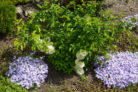
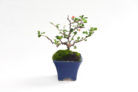
If you’re looking to create a natural privacy screen, the Chinese Flowering Quince is a fantastic choice because of its vigorous growth. On the other hand, the Japanese Flowering Quince is a bit more compact, making it perfect for adding a pop of color to your front yard. They look stunning when paired with delicate plants like ornamental cherries. Plus, if you’re into bonsai, these shrubs are excellent candidates for miniature training!
When Is Harvest Time?
As autumn rolls around, the fruit begins to ripen. Just a heads-up: even when they’re ready to pick, these fruits stay pretty rock-hard.
You’ll know they’re ripe when they turn a bold yellow (sometimes with a reddish blush) and start giving off a wonderful, intense fragrance. There’s no huge rush to pick them right away, though. A little bit of frost actually helps soften them up and brings out even more of that aromatic flavor. Once the heavy frosts hit, that’s your cue to get out there, harvest them, and get cooking!
Can I Eat Them Raw?
I wouldn’t recommend snacking on them raw. They are incredibly hard and have a very sour punch that might catch you off guard.
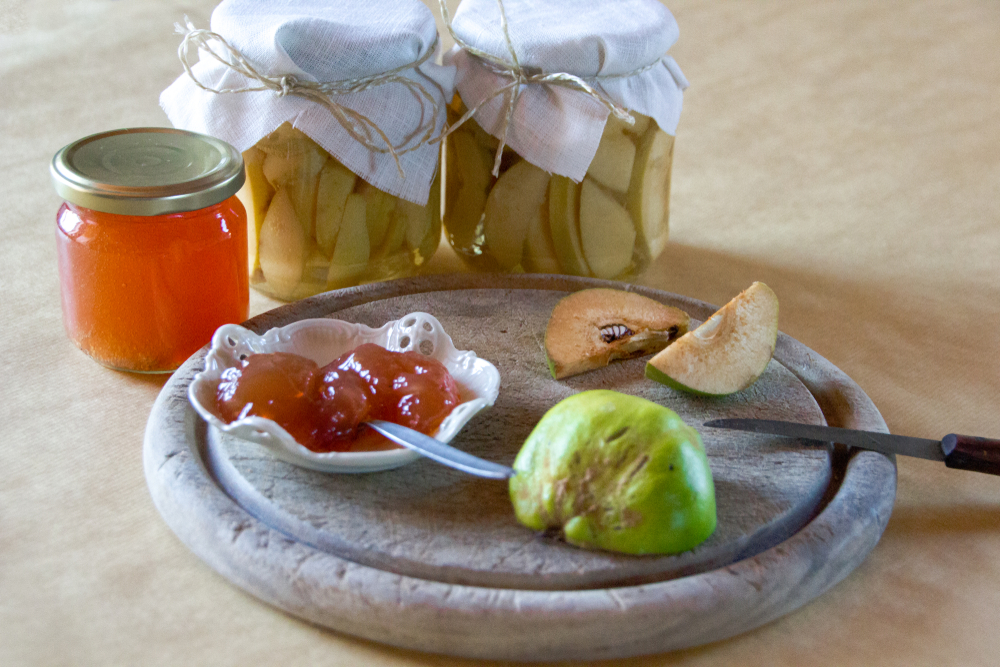
However, they are famous across Europe for making incredible jellies and jams. Their high pectin content makes them a natural fit for preserves.
Don’t forget about your feathered friends, either! Birds love these fruits and will happily snack on any leftovers during the fall and winter. It’s always a nice gesture to leave a few fruits on the branches for them.
If you decide to harvest your quince before the first frost, they actually store quite well. Just keep them in a cool, dark place—like a basement—and they’ll stay fresh for several weeks or even months.
How to Use Your Quince Harvest
Flowering quinces are surprisingly versatile in the kitchen. Here are a few classic ways to use them:
- Flowering Quince Juice:
It takes a little elbow grease to squeeze these by hand, but the juice is a fantastic stand-in for lemon juice. It’s just as tart and packed with Vitamin C. Try using it in salad dressings, sauces, or even to give your cocktails a unique zing.
- Quince Jam and Jelly:
Cooking them down into jam or jelly is the most popular way to enjoy them. They do have a slightly bitter edge, which isn’t for everyone, but you can easily balance that out with some honey. They also play really well with other fruits—try mixing them with sweet peaches, apricots, or strawberries. A blend of quince with apples or pears is also a classic combo. Just try to pair them with fruits that aren’t too acidic to keep the flavors balanced.
- Quince Liqueur:
If you’re feeling fancy, you can infuse spirits with quince to create a sophisticated liqueur. Whether you prefer a clear, fruity infusion or a smooth, creamy liqueur, quince adds a wonderful depth of flavor.