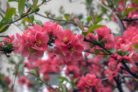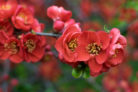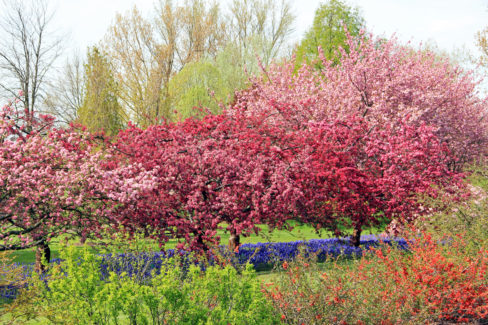
Flowering quinces are pretty low-maintenance guests in the garden. As long as they get plenty of sunshine and have enough elbow room to branch out, they’re happy campers. That sunlight is actually the “secret sauce”—the more sun they soak up, the more spectacular their spring flower show will be.
Finding the Perfect Sunny Spot for Your Flowering Quince
When you’re scouting out a spot for your new flowering quince (also known as *Chaenomeles*), think “sun-drenched.” These shrubs are sun-worshippers, and a bright location is key to getting a heavy flush of blooms. Beyond the light, they appreciate soil that’s nutrient-rich and well-drained. Just be sure to check the specific variety you’re planting so you can give it enough space to grow without crowding its neighbors.
Choosing the Right Variety
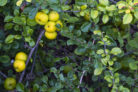
When you start shopping for a flowering quince, you might be surprised by how many choices there are! Most gardeners stick with the two heavy hitters: the Chinese Flowering Quince and the Japanese Flowering Quince. The main differences between them are how tall they get, the color of their petals, and the size of their fruit. Here are a few fan favorites to look for:
- Pink Lady: Features gorgeous deep pink blossoms.
- Orange Star: A mid-sized shrub with vibrant orange flowers.
- Nivalis: A real standout that can reach over 10 feet tall with crisp white flowers.
- Friesdorfer Typ 205: A lower-growing variety with bright red blooms.
- Chaenomeles speciosa: A tall grower that puts on a show with classic red flowers.
- Andenken an Carl Ramcke: A medium-sized bush with lovely rose-pink petals.
- Jet Trail: A great low-growing option if you want white flowers.
Using Flowering Quince for Privacy and Hedges
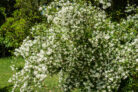
If you’re looking for a natural privacy screen, the Chinese varieties are your best bet since they can soar up to 15 feet high. The Japanese varieties tend to stay a bit shorter. While they make excellent hedges, planting a flowering quince as a standalone specimen really lets its beautiful flowers and decorative, edible fruits take center stage.
Plus, there’s an ecological bonus: these shrubs are a fantastic food source for bees and butterflies in the spring, and their dense, thorny branches provide a safe little sanctuary for backyard birds. Honestly, every garden could use one!