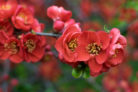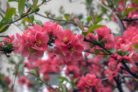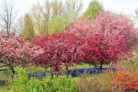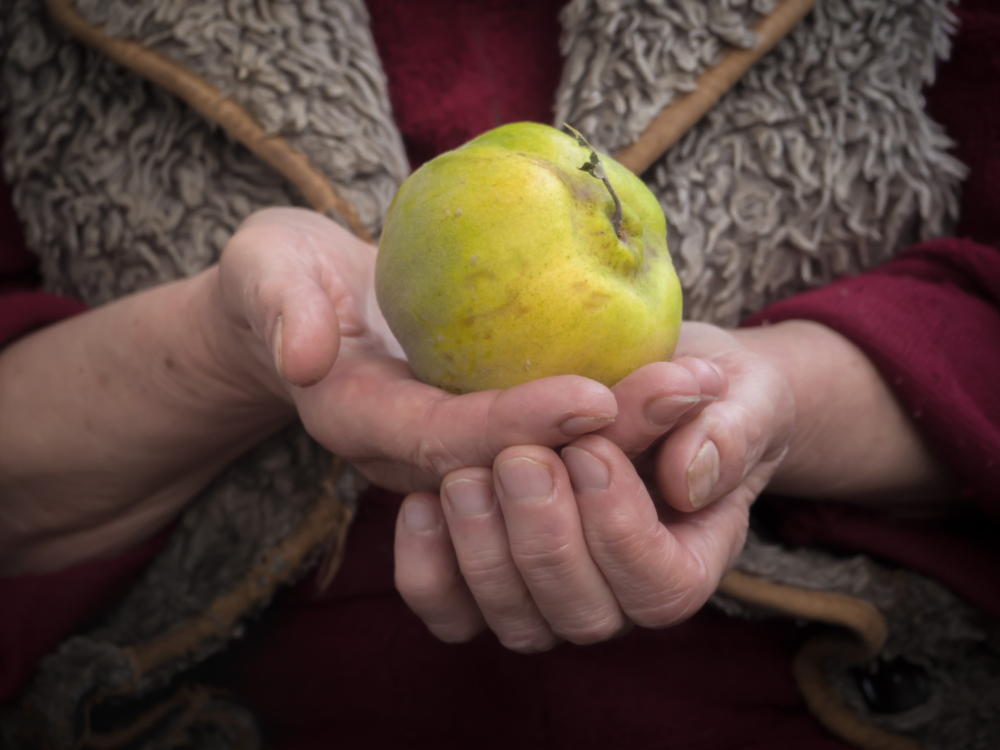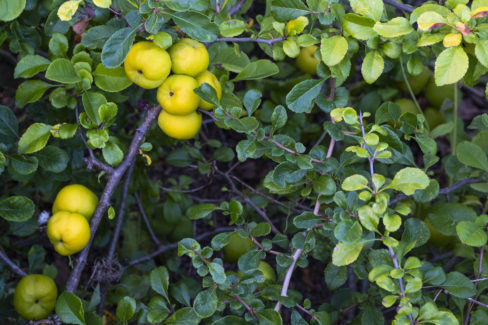
Flowering quinces are the ultimate garden multitaskers. With their vibrant blooms, they’re a total standout in any landscape. In the spring, those bright flowers act like a magnet for bees, providing a crucial early-season food source. If you let them grow into larger shrubs, they also double as fantastic nesting spots and food hubs for local birds. But the best part? You can actually harvest those fruits and turn them into some seriously tasty treats.
Flowering quince fruits pack a sour punch
Quinces are loaded with acidity and sky-high levels of Vitamin C. Because of that, they’ve definitely got a tart kick, but they’re incredibly healthy. Sometimes they even have a subtle bitter note that adds a really sophisticated layer of flavor to your recipes.
Wait for the first frost to harvest
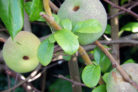
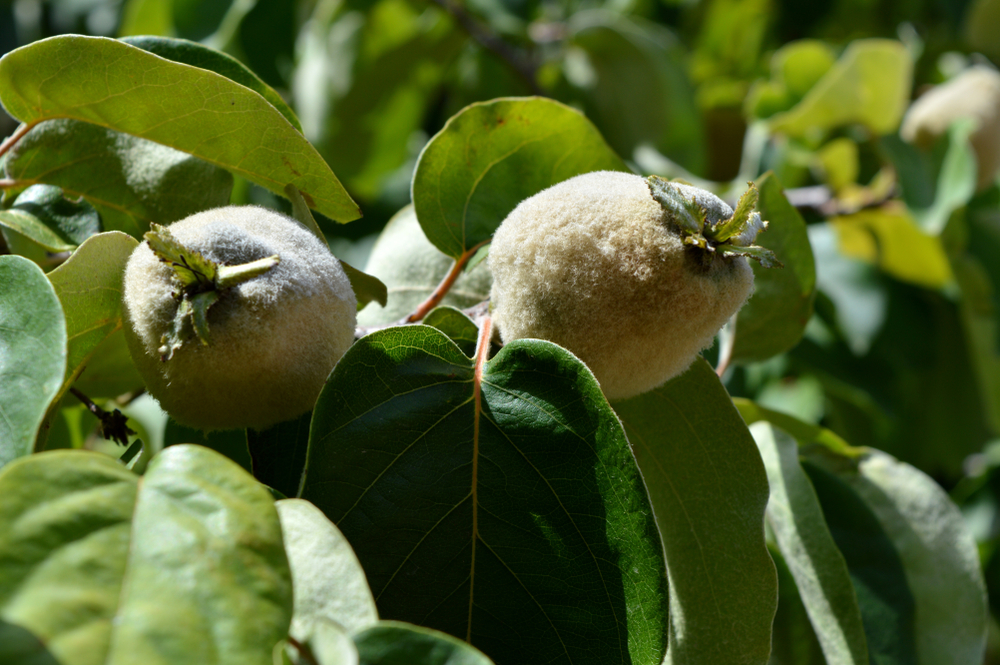
The edible fruits ripen in the fall, though they’ll still feel pretty hard to the touch. You’ll know they’re ready when they turn a bold yellow or reddish hue and start smelling absolutely amazing.
Here’s a pro tip: don’t feel like you have to rush out and pick them right away. If you wait until after the first frost, the quinces soften up and the flavors really start to develop. Once that frost hits, though, it’s go-time—get out there, gather them up, and start cooking!
How to use your flowering quince harvest
You won’t want to eat these raw, but they are perfect for whipping up all sorts of delicacies. Here are a few fan-favorite ways to use them:
- Quince Jam and Jelly:
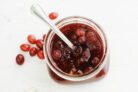
You can cook these down into delicious jams or jellies. If the tartness is a bit much for you, try stirring in some honey to mellow it out. They also pair beautifully with sweeter fruits like peaches, apricots, or raspberries. A mix of quince with apples or pears is another classic combo. Just make sure the fruit you’re mixing in is nice and sweet to balance out the quince’s natural acidity.
- Quince Juice:
You can actually juice these by hand! The juice is a fantastic substitute for lemon juice—it has that same zesty tang and is packed with Vitamin C. Use it to brighten up sauces, salad dressings, or even craft cocktails.
- Quince Liqueur:
If you’re feeling fancy, flowering quinces make an excellent base for homemade liqueurs. Whether you prefer something bright and fruity or a bit more syrupy and sweet, these fruits are up for the task.
Flowering quinces are incredibly versatile
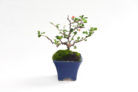
Beyond the tasty fruit, these shrubs are great for creating a “living fence” or a flowering privacy hedge. They’re also a huge hit in the bonsai community when grown in decorative pots. With their elegant, slightly exotic look, they bring an instant Mediterranean vibe to any patio or garden.