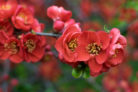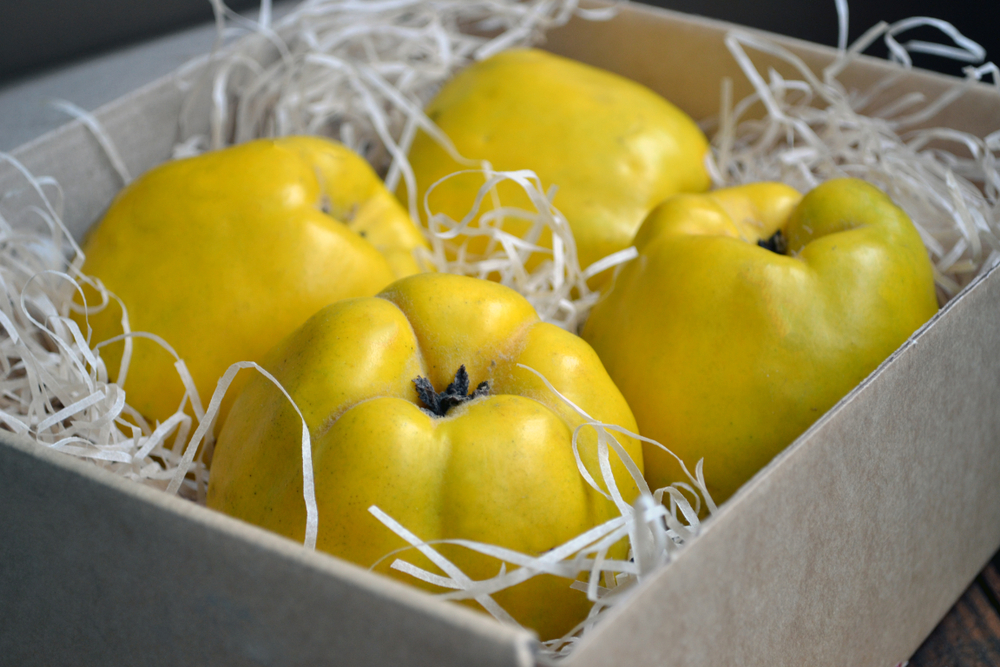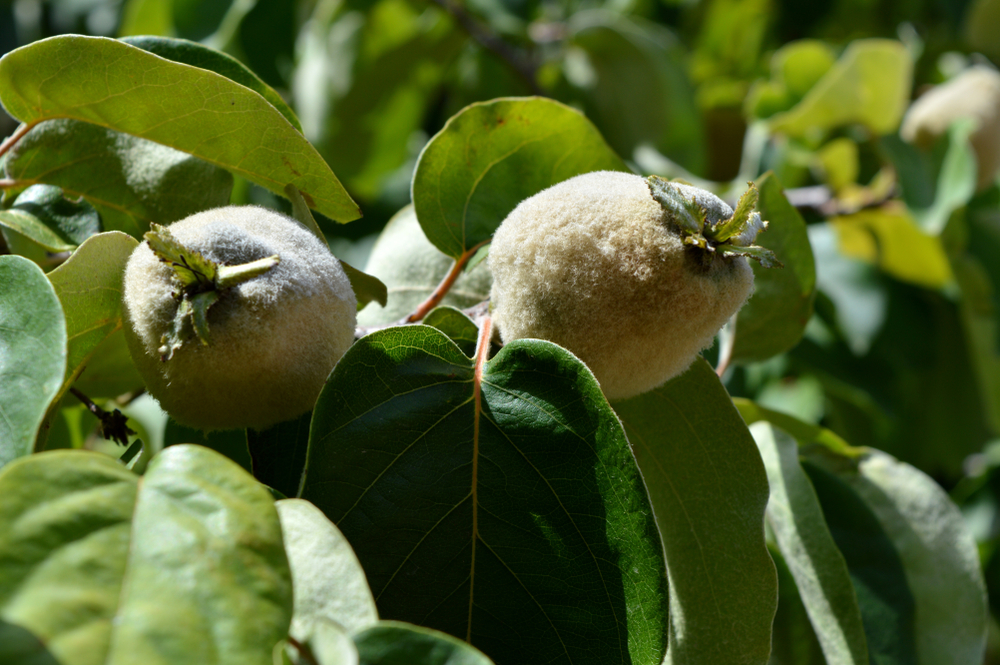
If you’ve got a Japanese Quince growing in your backyard and you’re wondering if those little fruits are actually safe to eat, I’ve got some great news for you: they absolutely are! In fact, these fruits are packed with a massive amount of Vitamin C. Just a heads-up, though—you won’t want to snack on them raw. They’re much better once they’ve been processed and cooked.
All About Japanese Quince Fruit
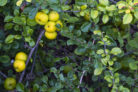
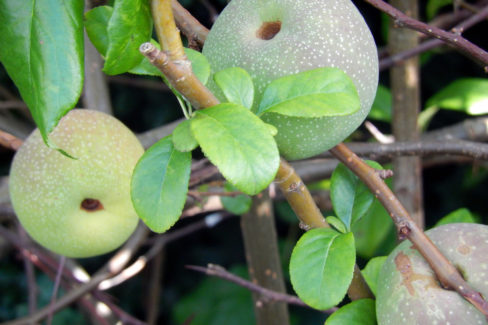
The fruits of the Japanese Quince (sometimes called “flowering quince”) usually grow to be about two inches wide. That makes them quite a bit smaller than the standard quinces you might be used to seeing.
When they’re raw, these little guys are rock-hard and incredibly sour. On the bright side, they are loaded with Vitamin C and natural pectin. Because they’re so tart, the juice makes a fantastic substitute for lemon juice in recipes. If you want to get the most juice out of them, I definitely recommend using a juicer.
When is it Time to Harvest?
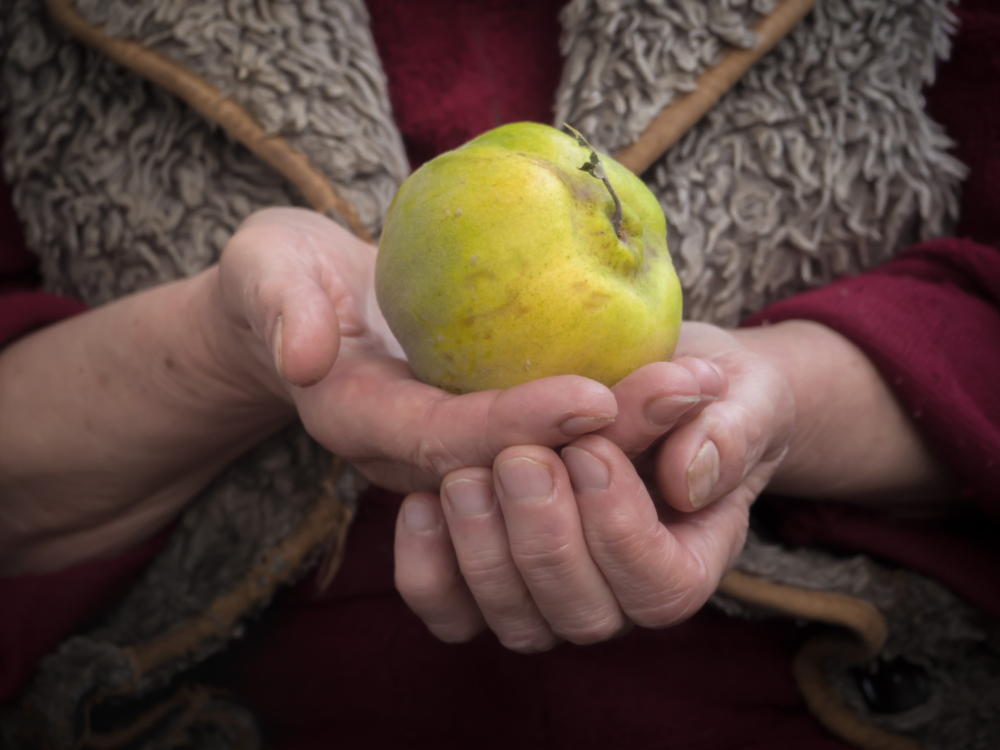
You’ll want to wait until late fall to start picking. You’ll know they’re ready when the fruits turn a deep, vibrant yellow or reddish hue. Plus, ripe quinces have a wonderful, aromatic scent that’s hard to miss.
If you’re planning on cooking with them, try to be patient with your harvest. Ideally, you want the fruits to experience a little bit of frost first—this helps mellow them out and brings out their best flavor. Just keep in mind that once you pick them, you’ll want to process them right away.
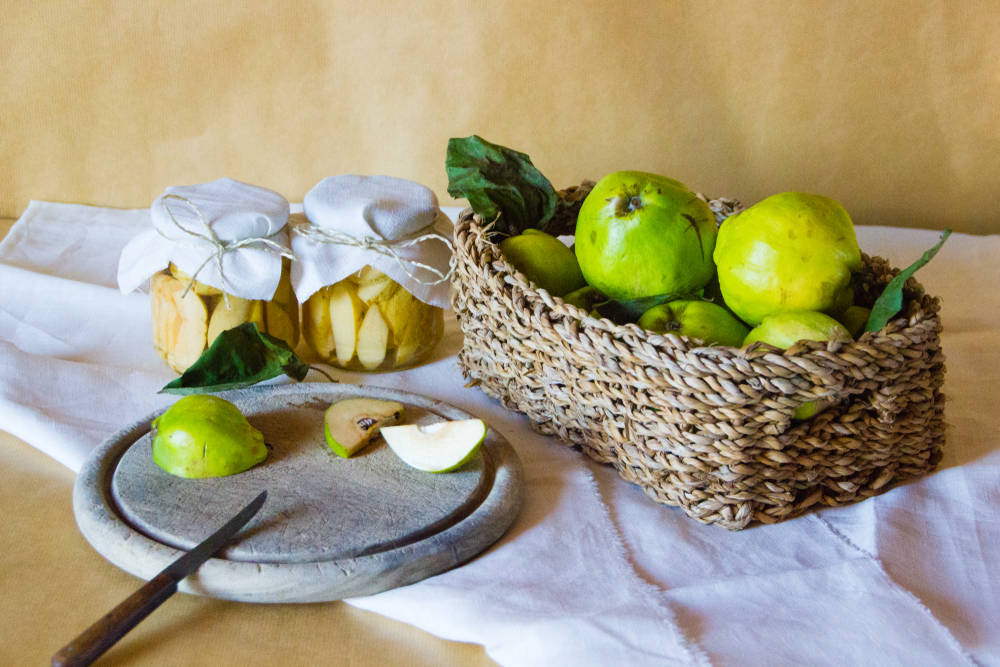
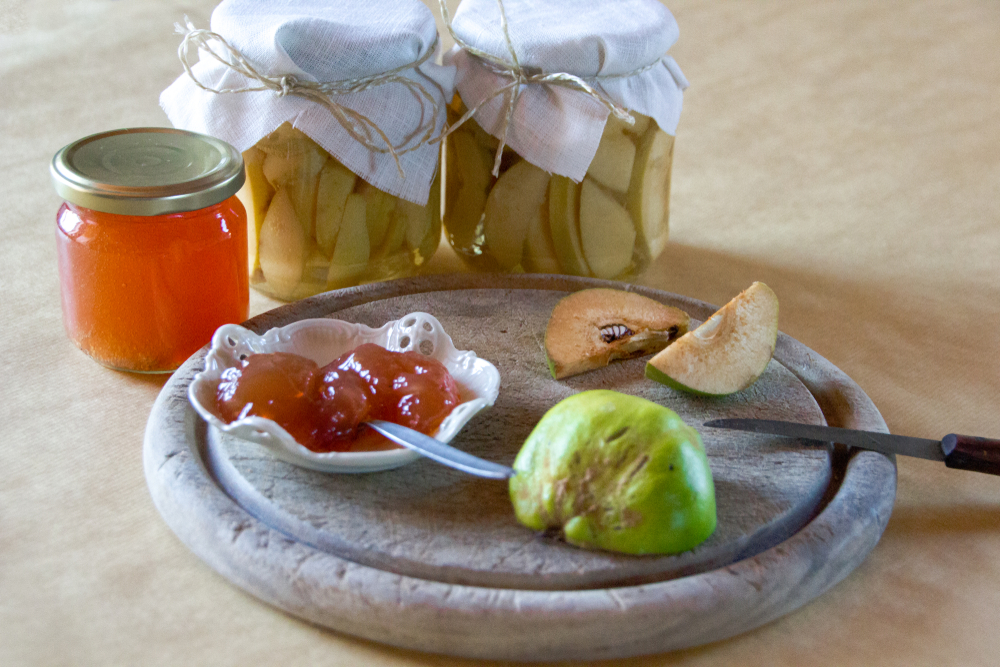
How to Make Homemade Quince Jelly
- Only use fully ripe fruits.
- Give them a good wash and slice them in half.
- Boil the fruit with the skins and seeds still intact; this ensures all that natural pectin gets into your jelly.
- Press the cooked fruit through a fine-mesh sieve.
- Mix the pulp with jam sugar (using a 1:1 ratio).
- Bring the mixture to a boil.
- Pour your fresh jelly into sterilized screw-top jars.
It’s definitely worth trying Japanese Quince for your next batch of jelly—the flavor profile is totally different from a standard quince. If you’re thinking about growing a quince bush specifically for jelly, I highly recommend the “Cido” variety. It’s almost thornless, which makes harvesting a whole lot easier!