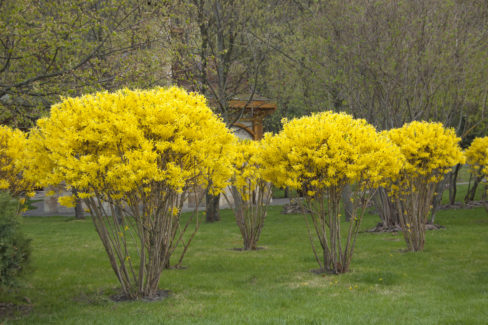
Bonsai trees are as popular as ever, and for good reason! While you can shrink down many different trees and shrubs into miniature masterpieces, the Forsythia is a particularly charming candidate. However, if you’re just starting out, I’d recommend picking up a pre-trained bonsai rather than starting from scratch.
Is Forsythia a good choice for a beginner bonsai?
To be honest, turning a Forsythia into a stunning bonsai isn’t exactly a walk in the park. There are definitely easier plants for beginners to tackle. But if you’re up for the challenge, your best bet is to start with a dwarf variety—it’ll make your life a lot easier!
How do I prune a Forsythia bonsai?
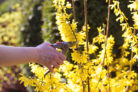
When the plant is young, you’ll need to keep your shears handy. Regular pruning and pinching are key to encouraging that dense, fine branching we all love in a bonsai. You’ve got some creative freedom here, too—Forsythias look great in styles like informal upright, twin-trunk, or even semi-cascade. Once the spring blooms fade, give your bonsai a good thinning out and a fairly heavy prune to keep it in shape.
What’s the best way to care for a Forsythia bonsai?
Unlike the Forsythias growing in your yard, a bonsai version needs a bit more “TLC.” You’ll need to fertilize and water it regularly. Whatever you do, don’t let the root ball dry out completely! You can take a break from fertilizing during the winter, while it’s in bloom, or right after repotting.
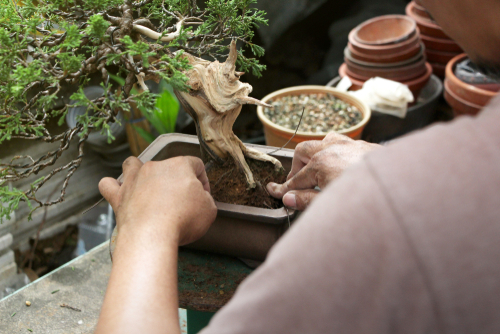
The secret to a great bonsai is consistent pruning and wiring, and luckily, Forsythia handles both like a champ. Plan on repotting your tree every two to three years. This is also the perfect time to do some root pruning to keep the growth manageable. During the winter, these plants prefer a cool spot; in fact, they do great as outdoor bonsai.
Quick Care Guide:
- Difficulty: Great for bonsai, but maybe not the very first plant a beginner should try.
- Styles: Semi-cascade, twin-trunk, or informal upright.
- Watering: Keep the soil consistently moist.
- Feeding: Every two weeks from spring through fall.
- Repotting: Every 2 to 3 years, ideally right before new growth starts.
- Root Pruning: Do this every time you repot.
- Trimming: Thin out older plants after flowering; pinch back young plants regularly.
- Wiring: Can be done year-round.
- Winter Care: Keep it in a cool location.
Pro Tip: Since Forsythia is hardy, it works perfectly as an outdoor bonsai. Just make sure to give it a little extra protection if you’re expecting a really deep freeze!