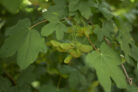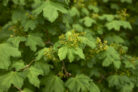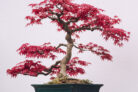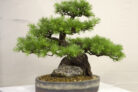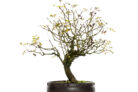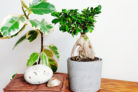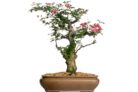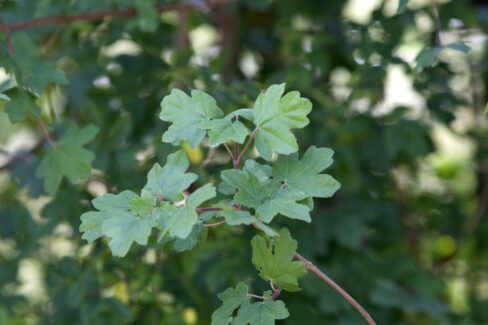
The Field Maple (Acer campestre) is basically a dream come true for bonsai enthusiasts. It checks all the boxes: it handles pruning like a champ, sports gorgeous foliage, and has a flexible growth habit that lets you get really creative with its shape. If you’ve ever wanted to try your hand at this art form, here’s how to turn a Field Maple into a stunning bonsai and keep it thriving.
How to Start Your Bonsai Journey
The easiest way to get started is by picking out a Field Maple that’s already at a manageable size. Through “training” (which is just a fancy word for strategic pruning), you can transform a standard sapling into a miniature masterpiece. The goal of bonsai pruning is to give your little tree the character and weathered look of an ancient giant that’s been shaped by nature for decades.
Step-by-Step Training:
- Pick up a healthy two- or three-year-old Field Maple with a shape you like.
- Prune the main trunk down to about 20 inches (half a meter).
- Carefully dig up the plant and move it into a dedicated bonsai pot.
- Fill the pot with a mix of seed-starting soil and perlite for great drainage.
- Prune the branches into your desired shape and use bonsai wire to guide their growth.
You can also find Field Maples out in the wild. Just a quick heads-up: never dig up a plant from someone else’s property without asking first! Most gardeners are actually happy to give away wild seedlings. You can also often find “volunteers” (wild sprouts) in public spaces or woods.
Keeping Your Field Maple Happy
Since your tree is living in a shallow bonsai pot, it doesn’t have access to the same buffet of nutrients and moisture as a tree planted in the ground. This means you’re the primary provider! You’ll need to fertilize regularly—ideally with a specialized bonsai fertilizer—and keep the soil consistently moist. A bonsai watering can with a fine spray head is perfect for giving it a gentle soak without washing away the soil.
During those first few years, plan on repotting your bonsai every one or two years. Take a peek at the root system; if it’s starting to look cramped or “root-bound” in the pot, it’s time to move up to a slightly larger size. This is also a great time to trim back the Field Maple’s roots a bit. Just be careful not to go overboard—always leave plenty of healthy roots intact so your little tree stays strong and vibrant!