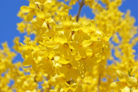
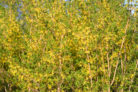
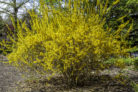
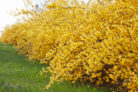
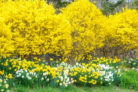
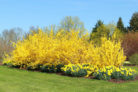
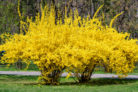
Forsythia is famous for being tough and low-maintenance, and those bright yellow blooms are a classic sign that spring has finally arrived. But if you want that spectacular golden show every single year, there are a few things you should know.
When do Forsythias bloom?
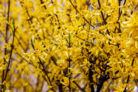
We often call Forsythia the true harbinger of spring because those sunny yellow flowers pop up so early. Usually, the blooming starts around March. However, with the climate getting warmer, we’ve seen them starting even earlier in some areas. Depending on the weather, the flowers will eventually start to fade sometime in May.
How can I get the best blooms?
If you want a real showstopper, plant your Forsythia in a sunny spot. While they can survive in the shade, they won’t flower nearly as well. They also love soil that is nutrient-rich and stays slightly moist. If your soil is a bit thin or packed hard, try mixing in some compost to loosen things up. Pro tip: Add that compost directly into the hole when you’re first planting it to give it a head start.
Are Forsythias good for bees?
You’ll often hear that you should plant early bloomers to help out hungry bees in the spring. Unfortunately, Forsythias aren’t the best choice for a pollinator garden. Most varieties don’t produce nectar, pollen, or viable seeds. If you really want to help the bees but love the look, look for the “Beatrix Farrand” variety—it’s one of the few exceptions that actually offers something for our fuzzy friends.
Is pruning really necessary?
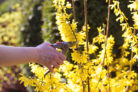
If you let a Forsythia go for years without a trim, it starts to look “leggy” and old, and eventually, it just stops blooming. It’s not a great look! If your shrub has reached that point, it needs a serious rejuvenation prune. By pruning regularly, you encourage fresh new growth, which is exactly where those beautiful flowers grow.
Quick Highlights:
- Blooming starts in March (depending on the weather).
- Bright yellow flowers appear on the bare branches grown the previous year.
- The flowering season ends in May.
- Flowers are generally sterile.
- Not a significant food source for bees.
Tip: Forsythia is one of the earliest bloomers, making it the perfect way to add a splash of color to your yard right after winter fades away.