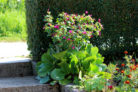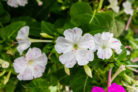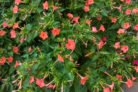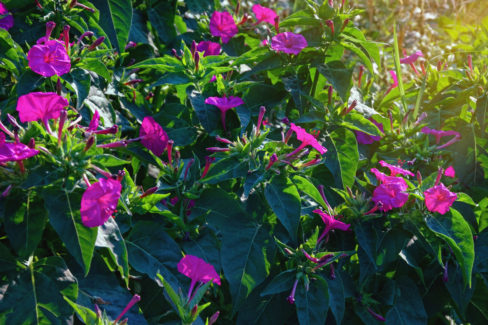
The Four O’Clock flower (botanically known as *Mirabilis jalapa*) is a total showstopper in the garden. It produces a massive explosion of colorful blooms that have a cool little secret: they don’t open until the late afternoon or evening! Plus, they fill your backyard with a dreamy orange scent. While they’re pretty low-maintenance, these “Marvels of Peru” do have a few specific preferences when it comes to where they live.
The Perfect Spot for Your Four O’Clocks
Since these beauties hail from the warm climates of Central America, they are total sun-worshippers and definitely can’t handle a frost. You’ll want to pick a spot in full sun. Ideally, find a place that’s a bit sheltered; this helps trap the warmth they love and protects their delicate stems from getting snapped by heavy wind or rain.
As for the soil, they’re happiest in nutrient-rich, loose, and slightly moist dirt that still drains well. If your soil is looking a little sad, don’t worry—just mix in some compost and a bit of organic slow-release fertilizer when you’re planting to give them a boost.
How to Plant Four O’Clocks
You can get these lovely ornamentals started from seed or plant them as tubers (which look a lot like dahlia bulbs). If you’re starting from scratch, you can harvest seeds from existing plants in the fall, dry them out, and save them for spring. Starting in March, sow the seeds in trays with seed-starting mix and keep them on a bright, draft-free windowsill. You should see sprouts in about 10 to 14 days. Once they’ve grown a solid little root ball, move the seedlings into their own individual pots and keep them in a warm, bright room. When the plants hit about 8 inches tall, they’ll start forming their tubers. Come mid-May, you can move them outside to the garden or into a large container. Just remember to dig those tubers up in late fall to store them somewhere frost-free for the winter!
If you already have large tubers ready to go, wait until the threat of frost has passed in May and follow these steps:
- Loosen the soil in a sunny, sheltered spot, making sure to clear out any weeds.
- Dig your planting holes about 28 inches (70 cm) apart.
- If you’re using a pot, make sure it holds at least 2.5 to 3 gallons (10 liters).
- Mix the soil you dug out with some fresh compost and a handful of organic fertilizer (like horn meal).
- Place the tubers in the ground.
- Cover them with about an inch (3 cm) of soil.
- Press the soil down gently and give them a good drink of water.