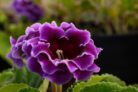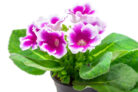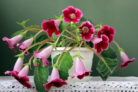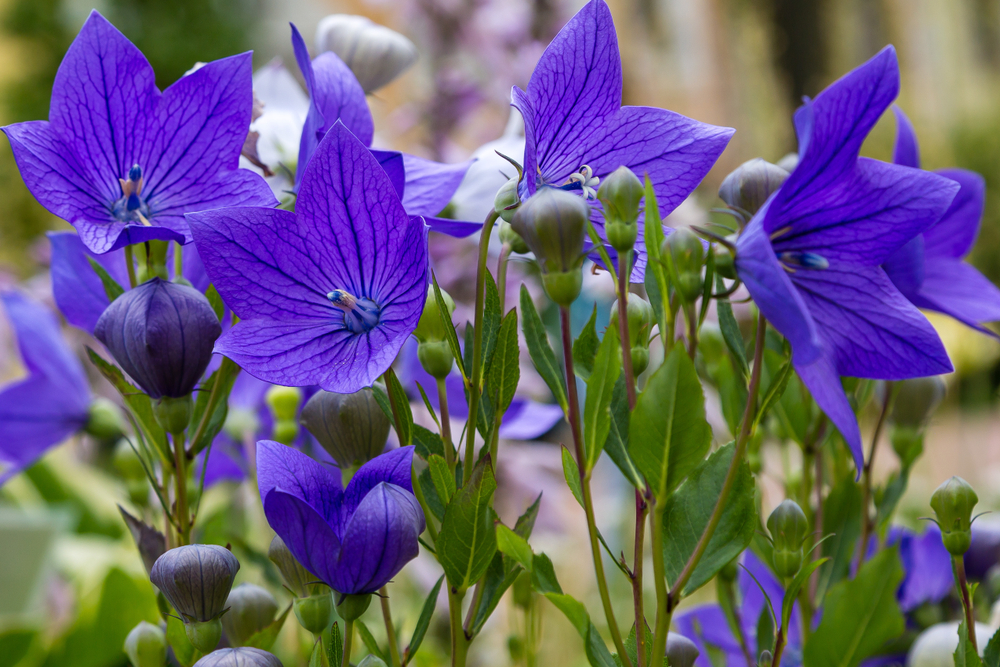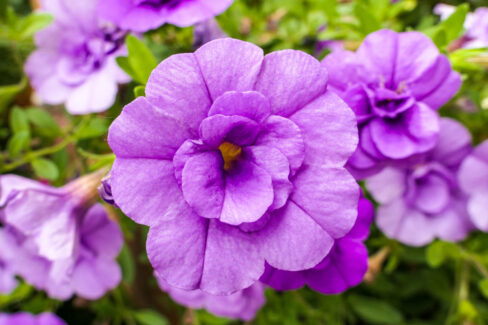
Gloxinias aren’t just for your windowsill—they actually make a fantastic addition to your flower beds! You can absolutely grow these beauties outdoors, provided you pick the right spot. Here’s the lowdown on how to choose the perfect location and prep your soil for success.
The Ideal Setup for Your Gloxinias
Gloxinias can thrive in your garden as long as you keep a few key things in mind. First off, try to find a spot that’s protected from harsh winds. When it comes to light, they’re pretty flexible: they love a sunny patch or a bit of partial shade. However, they’ll struggle in deep shade, and on the flip side, intense midday sun for hours on end can be a bit much for them to handle.
Here’s a quick checklist of what they need:
- A sunny or partially shaded spot
- Well-draining soil (no soggy feet!)
- Nutrient-rich earth
- Consistent moisture
The most important factor is drainage. You want a substrate that lets water move through freely. If water pools around the roots, those Gloxinia tubers are prone to rot, and the plant won’t last long. On the other hand, don’t let the soil stay bone-dry for too long. Since the tubers sit just below the surface, they need a drink once the top layer of soil feels dry to ensure the plant stays hydrated.
Winter Care for Your Gloxinias
Believe it or not, Gloxinias are surprisingly tough and can handle temperatures down to about -4°F (-20°C). While we don’t often see it get that cold in many regions, the real danger isn’t usually the frost—it’s the winter wetness and ice. To keep your plants safe, there’s a simple trick that seasoned gardeners swear by.
Your best bet is to dig up the tubers before the first hard freeze hits. Store them in a cool, dry place indoors over the winter, and then pop them back in the ground once spring rolls around. The best part? You don’t need to water the tubers at all while they’re in storage, so they’re zero-maintenance during the off-season. Plus, while you have them out of the ground, it’s a great time to propagate them and grow your collection!