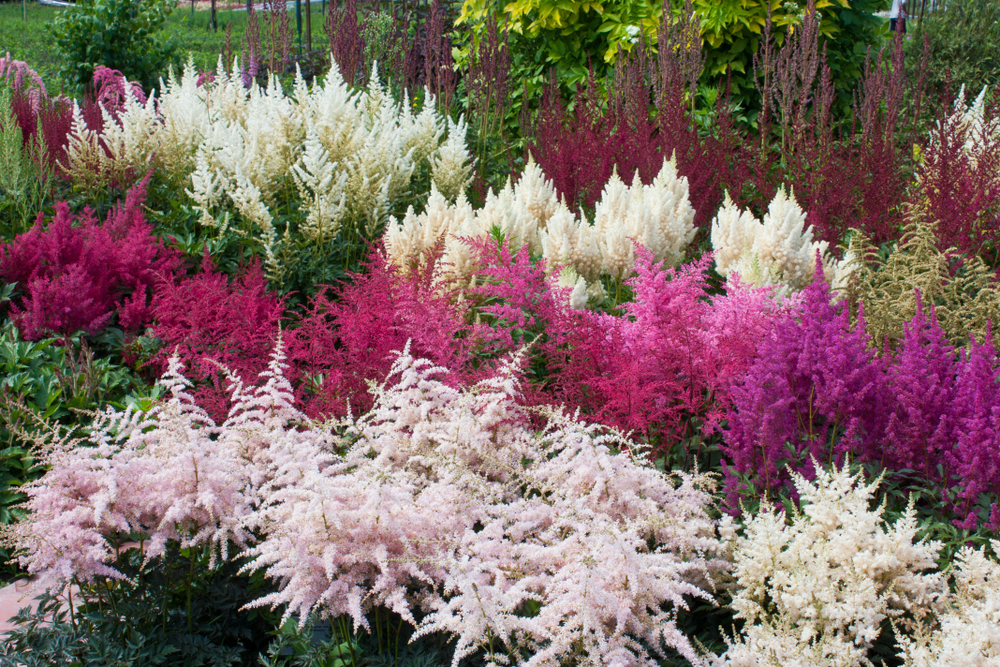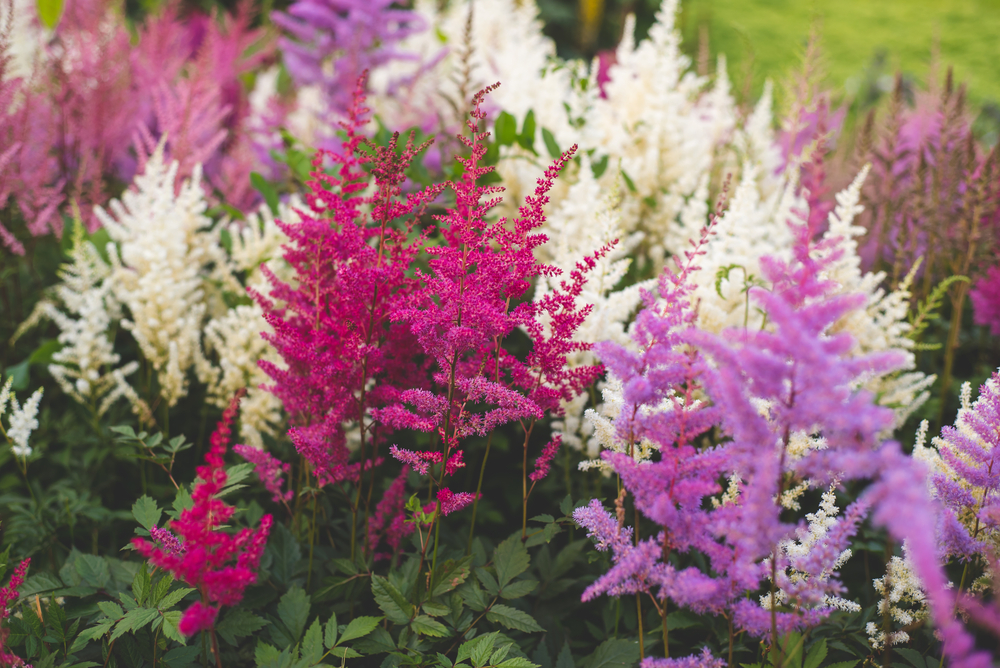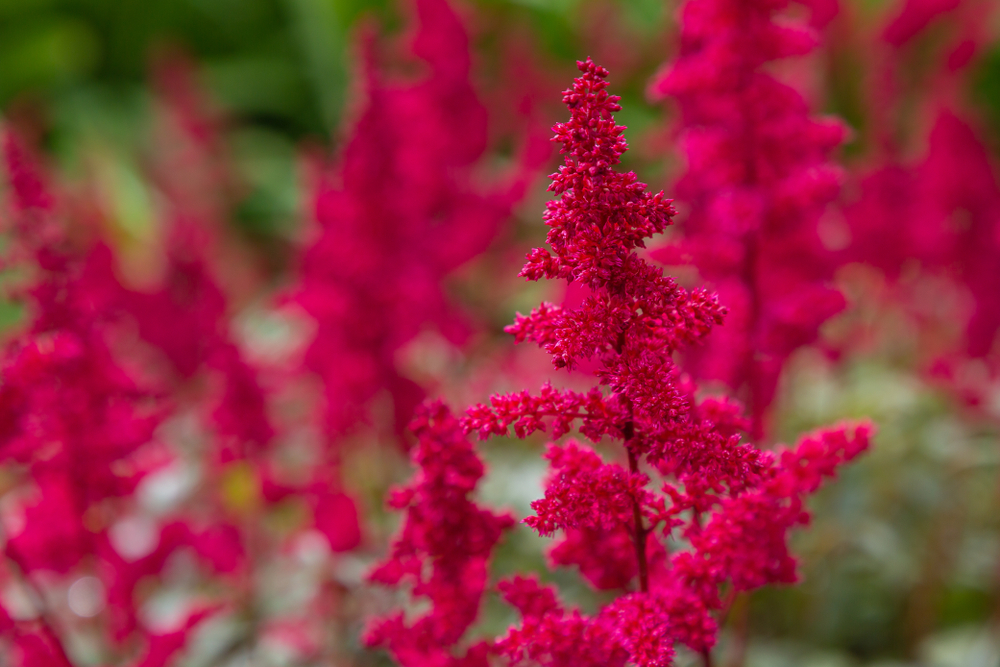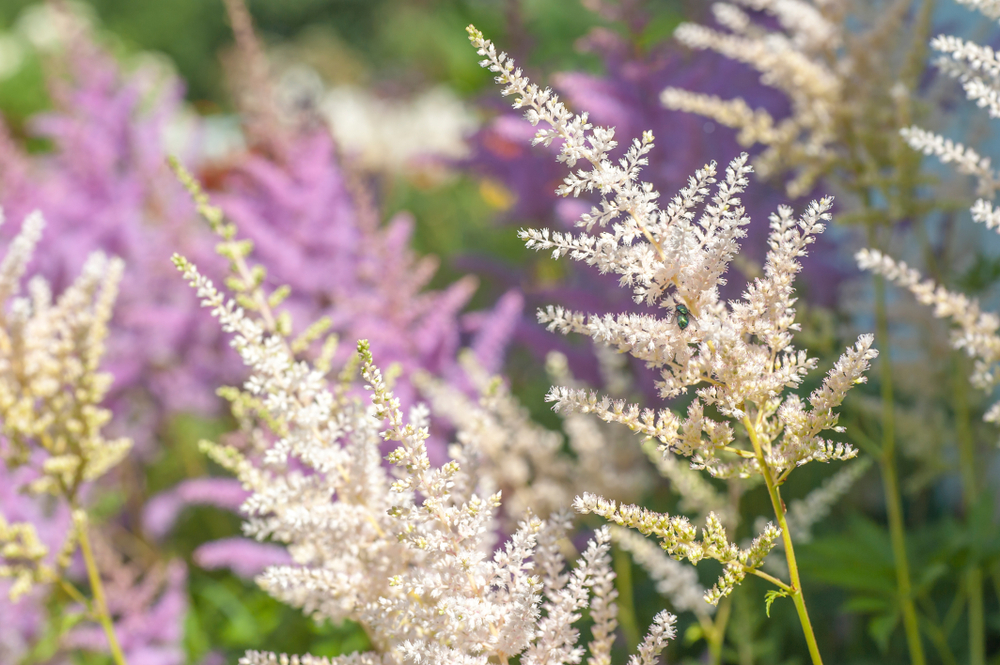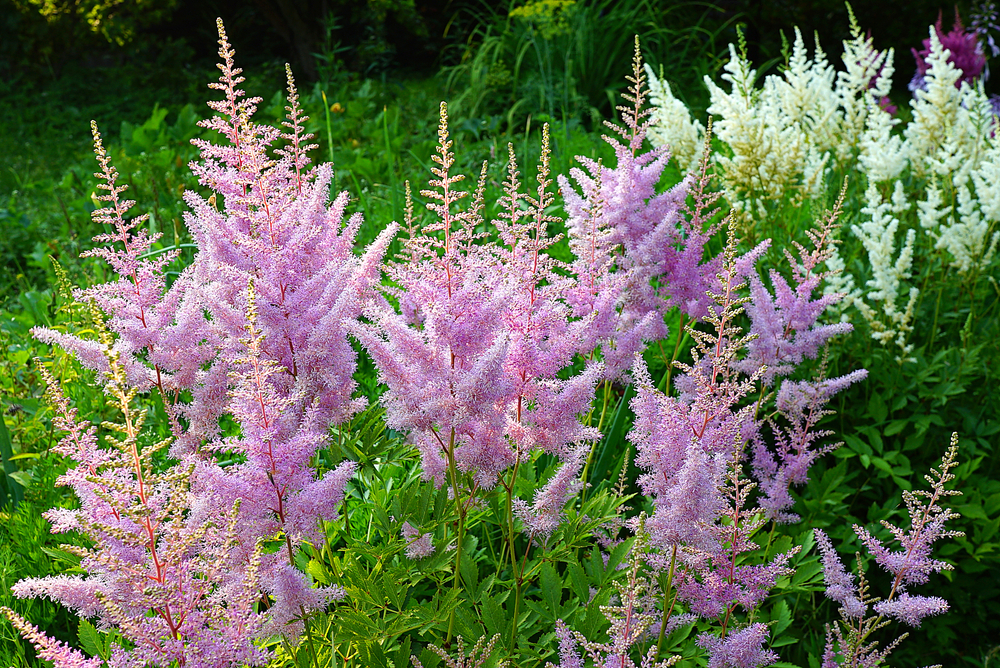
With their stunning plumes of colorful flowers, it’s no wonder Astilbes are a favorite for so many gardeners. If you want to get the most out of these beauties and keep those colors popping, a little TLC goes a long way. The real secret to success? It all starts with picking the perfect spot in your yard.
Aim for Partial Shade
Originally, Astilbes called the forests of Japan home. Since those islands get plenty of regular rainfall, these plants (also known as False Spirea) are much more comfortable in cool shade and damp soil than they are baking in the midday sun. Even with all the new varieties available today, their preferences haven’t changed much. When planting, look for a spot with partial shade—the cooler the microclimate, the happier your plants will be.
Rich, Nutrient-Dense Soil
It takes a lot of energy to produce those fluffy flower spikes! To help your Astilbes thrive, you’ll want to make sure your soil is packed with nutrients. I recommend feeding them twice a year with organic matter; well-rotted compost or aged manure works wonders. You’ll also want to ensure the soil is well-draining. While Astilbes love consistent moisture, they definitely don’t like “wet feet” (standing water), which can lead to root rot.
Stick to Rainwater
Soil pH is another detail that makes a big difference. These plants prefer a slightly acidic to neutral environment, ideally with a pH between 5.5 and 7.5. Because tap water can often be “hard” or alkaline, it’s a great idea to use rainwater from a barrel whenever possible. It’s naturally soft and free of the lime that can throw your soil pH out of whack.
To recap, here is the “sweet spot” for your Astilbes:
- A location with partial shade
- Well-draining soil
- A soil pH between 5.5 and 7.5