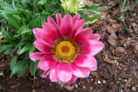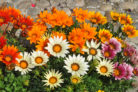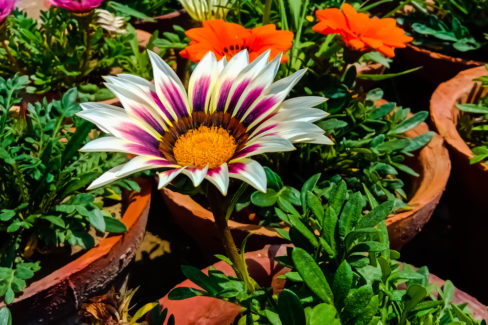
The natural roots of the various Treasure Flower (Gazania) species lie in South Africa and Namibia. Because of those sunny origins, these beauties aren’t exactly used to the chilly winters we get here. In most parts of the U.S., Gazanias are treated as non-hardy annuals because they simply won’t survive outdoors once the frost hits.
Technically a Perennial
In their native Southern African habitat, these “sun-loving daisies” thrive as perennials, blooming happily for several years. However, most American gardeners find themselves buying and replanting them every spring. But here’s a pro tip: you don’t have to keep buying new ones! You can actually save your plants by overwintering them indoors.
Moving to Winter Quarters
To keep them alive, you’ll need to dig up your Gazanias before the first night frost hits in the fall. Try to be as gentle as possible with the root system—the less damage, the better they’ll handle the overwintering process. Make sure you move them into pots that are large enough to give those roots some breathing room.
Keep it Cool and Bright
While Gazanias hate the frost, they actually need a “chill out” period to rest. Your typical heated living room is usually too warm; they prefer a consistent temperature between 40°F and 50°F (5 to 10 degrees Celsius). Light is also a huge factor—make sure their winter home is nice and bright, like a sunroom or a well-lit garage.
Low-Maintenance Care
Part of letting the plant rest means backing off on the TLC. Stop fertilizing entirely during the winter months, and cut back significantly on watering. You want the soil to stay on the drier side while the plant is dormant.
The New Season Starts in April
Once the daytime weather starts warming up in April, you can begin “hardening off” your plants by putting them outside for a few hours at a time. This gets them used to the outdoor elements again. Just hold off on permanently replanting them in the ground until after the last frost (usually mid-May, depending on your zone) to make sure they stay safe.
To wrap it all up:
- Gazanias are not cold-hardy.
- They can survive the winter just fine in a cool, bright indoor spot.
- Stop fertilizing and cut back on water during their winter nap.