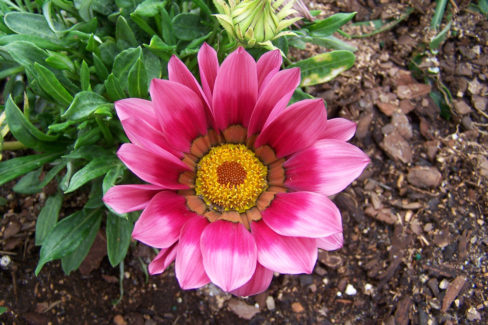
With their stunning, vibrant blooms, it’s no wonder Gazanias are a favorite for so many home gardeners. But let’s be real—like many exotic beauties, these plants can get a bit pricey. Buying a fresh batch every single spring can really start to add up! That’s why so many of us wonder: is there a way to keep them alive through the winter?
A Little Sunshine from Southern Africa
You might know the Gazania by its nicknames, the “Treasure Flower” or “Midday Gold.” These names are spot on, not just because of their brilliant colors, but because they hail from the sun-drenched landscapes of South Africa and Namibia. Because of those tropical roots, Gazanias are not cold-hardy. However, they are naturally perennials, meaning they *can* live for several years if given the right conditions. The trick is knowing how to help them survive a chilly winter.
Finding the Perfect Indoor Spot
The secret to success is finding the right winter home for your Treasure Flowers. First and foremost, it has to be frost-free. But here’s the kicker: for the plant to actually “rest” and gear up for next season, the room needs to stay consistently cool. We’re talking between 40°F and 50°F (5 to 10°C). On top of that, Gazanias still crave sunlight, so you’ll want a spot that gets plenty of bright, natural light.
The Right Way to Overwinter
Part of letting your plants go dormant means changing your care routine. Stop fertilizing entirely during the cold months and cut way back on watering—just give them enough to keep the soil from bone-dry.
You can start moving them inside once autumn hits. Carefully dig them up, being mindful of the root system, and transition them into a good-sized pot. Once spring rolls around, you can start setting the pots outside during the day to get them used to the fresh air again. Just hold off on planting them back in the ground until after the last frost in May (around Mother’s Day is usually a safe bet!) to make sure they don’t get nipped by a late cold snap.
To recap, here’s your game plan for keeping your Gazanias happy until next year:
- Move them indoors starting in the fall.
- Skip the fertilizer.
- Water sparingly.
- Wait until mid-May to plant them back in the garden.