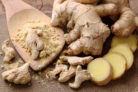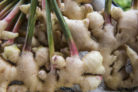
Sure, you can find ginger at the grocery store year-round, but this exotic spice actually has a specific peak season in the fall. Because ginger takes its sweet time to grow, the planting season actually kicks off just a few weeks after harvest. To get a head start, you’ll want to “pre-sprout” your ginger indoors to make sure it has enough time to mature.
Starting Indoors in Winter
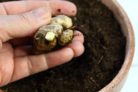
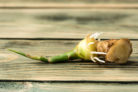
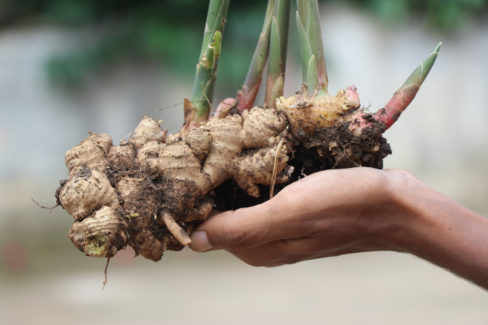
The coolest thing about ginger is how easy it is to propagate from just a piece of the root (the rhizome). If you’ve already got some ginger on hand, set a few pieces aside in the fall. You can let them sprout in a warm spot, and once those larger rhizomes show multiple “eyes” or buds, you can either divide them or plant them whole.
Pro tip: The earlier you start, the bigger your harvest will be! I’d recommend getting started by January at the latest, though you can actually begin the indoor process as early as November.
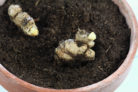
If your ginger hasn’t sprouted yet, soak it overnight in lukewarm water and keep it somewhere toasty. The next day, plant the rhizomes in a shallow tray. Don’t bury them too deep yet—if you plant them too deep early on, you’ll be digging a massive hole when it’s time to move them outside!
Planting Season Starts in May
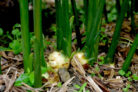
Ginger is a total tropical soul—it hates the frost. That’s why we wait until May to move it outdoors. Since it hails from tropical and subtropical climates, it craves warmth and high humidity. One thing to remember: it’s not a fan of direct, scorching sunlight.
If you have a greenhouse, that’s the perfect home for ginger because of the humidity. Make sure your soil is rich in nutrients, and keep the “food” coming throughout the season. A standard liquid fertilizer works wonders here.
If the air is too dry, your plants might look a little sad and grow slowly. If you’re planting directly in the garden, give your ginger a regular “shower” with a spray bottle or hose. Just make sure the water is room temperature (not ice cold!) and try to use filtered water or rainwater if your tap water is very hard.
Harvesting in the Fall
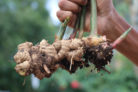
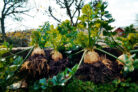
When autumn rolls around, keep an eye on the forecast. You’ll want to harvest your ginger just before the first frost hits. Simply use a garden fork to gently lift the rhizomes out of the ground.
If you want to get a jump on next year, you can overwinter your ginger. Just tuck a few rhizomes into a pot with some soil and keep them inside. They don’t like to be chilly in the winter, so aim for a spot that stays around 60°F (15°C).
The best part about overwintering? You get a massive head start on the next season. These “veteran” rhizomes are usually much stronger, which means an even bigger ginger harvest for your kitchen!