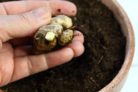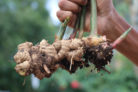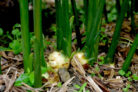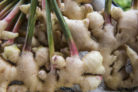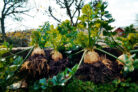
Growing your own ginger is actually pretty straightforward, though I’ll be honest with you: it takes its sweet time to grow those spicy rhizomes we love. Since ginger is a tropical native, it’s definitely not a fan of the cold. To keep your plant happy, you’ll need to bring it indoors before the first frost hits. You’ve got two choices here: you can overwinter it as a full potted plant or just store the rhizomes themselves.
Harvesting in the Fall
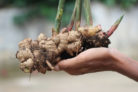
Whether you consider ginger a herb or a vegetable, the harvest rules are the same as most root crops. You’ll want to get it out of the ground in the fall before the freezing weather arrives. Ideally, you want to wait until the leaves start to yellow and die back—that’s a sign the plant has put all its energy into growing nice, big rhizomes.
If your ginger is still looking lush and green when the cold snaps, you can still harvest some pieces, but they’ll likely be smaller. These “young” ginger pieces have thinner skin, so they won’t stay fresh as long in storage. In this case, your best bet is to keep the whole plant growing in a pot through the winter.
Overwintering as a Potted Plant
If you want to keep the greenery going, planting your ginger in a pot is the way to go. It takes the pressure off harvesting and makes it super easy to just carry the pot inside when the temperature drops.
When potting up your ginger, go for a large container. These roots need room to spread! Use a loose, well-draining soil mix—I recommend a nutrient-rich potting soil mixed with a bit of sand. Don’t forget to add some expanded clay pebbles at the bottom for drainage. Ginger loves to stay consistently moist, but it absolutely hates “wet feet” (standing water), which can cause rot.
During the winter, find a cool spot for your plant—around 57°F (14°C) is the sweet spot. If the leaves are still green, it needs plenty of light but should be kept away from chilly drafts. An unheated sunroom or a bright, cool hallway works perfectly.
Overwintering the Rhizomes
If you’re short on space, you can just store the rhizomes. Once the foliage has died back, dig up the roots and gently brush off the excess dirt. Pro tip: Don’t wash them! Moisture on the skin can lead to rot during storage. Save the washing for right before you’re ready to cook with them.
Store your ginger in a cool, dark place. You’re looking for a “Goldilocks” level of humidity—not too damp (which causes mold or premature sprouting) and not too dry (which makes the rhizomes shrivel up).
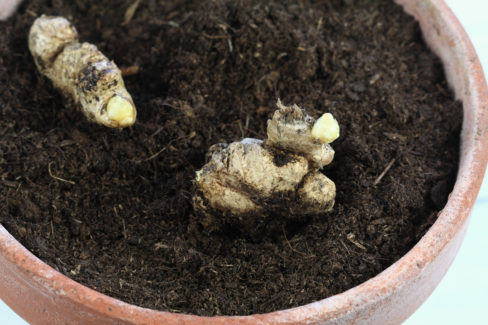
Keep in mind that you won’t be storing them for very long. Because ginger grows so slowly, you’ll want to start “pre-sprouting” them indoors by January so they’re ready to be replanted in pots by February.