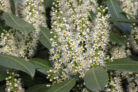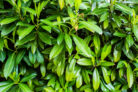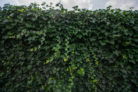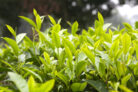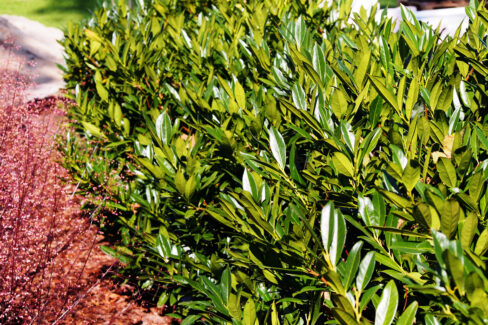
If you’re looking for a low-maintenance way to fill in those empty spots in your yard, ground-cover Cherry Laurel is a total game-changer. Unlike the tall hedge varieties you might be used to, this version focuses on growing wide rather than tall. Thanks to its dense, evergreen foliage, it creates a thick carpet that naturally chokes out weeds. It’s basically a “set it and forget it” plant that keeps your garden looking lush with very little effort.
What Makes Ground-Cover Cherry Laurel Special?
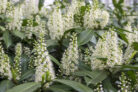
These plants stay low to the ground, usually reaching a height of only 12 to 30 inches. Because they’re evergreen, you get to enjoy that beautiful, glossy foliage all year round—even when the rest of the garden looks a bit bare in the winter. While they don’t flower as heavily as the upright varieties, the blooms they do produce have a lovely, sweet scent that smells just like honey.
Here are a few great ways to use it:
- Underplanting beneath taller trees or shrubs
- Covering steep slopes or embankments
- Creating low-growing borders or accents
To get the best results, you’ll want to pick the right spot. Cherry Laurel isn’t too picky, but it does best when it’s not baking in the direct afternoon sun. In fact, it’s a fantastic choice for a shady spot where other plants might struggle. Just make sure you’re keeping up with a good fertilizing routine to keep it healthy.
Tips for Planting and Care
Before you dig in, take a moment to prep your soil. These plants love well-draining earth, so loosening the soil and mixing in a little sand or fine gravel will make them feel right at home. Because they are such vigorous growers, you don’t need many to get full coverage—usually, 3 to 4 plants per yard is plenty. Before you know it, they’ll knit together into a beautiful green carpet.
For maintenance, I recommend using a slow-release fertilizer, especially during the warmer growing season, to give them a nice boost. And don’t be afraid to grab the shears! A regular trim or structural prune doesn’t just keep the plants looking tidy; it actually encourages them to grow back even thicker and healthier.