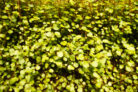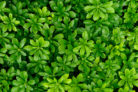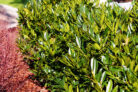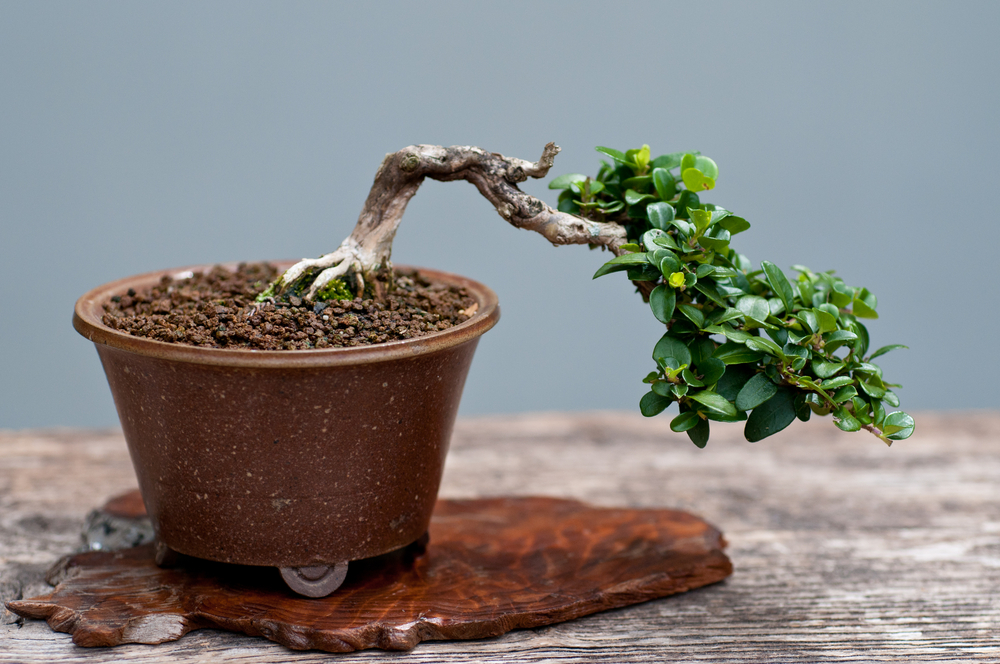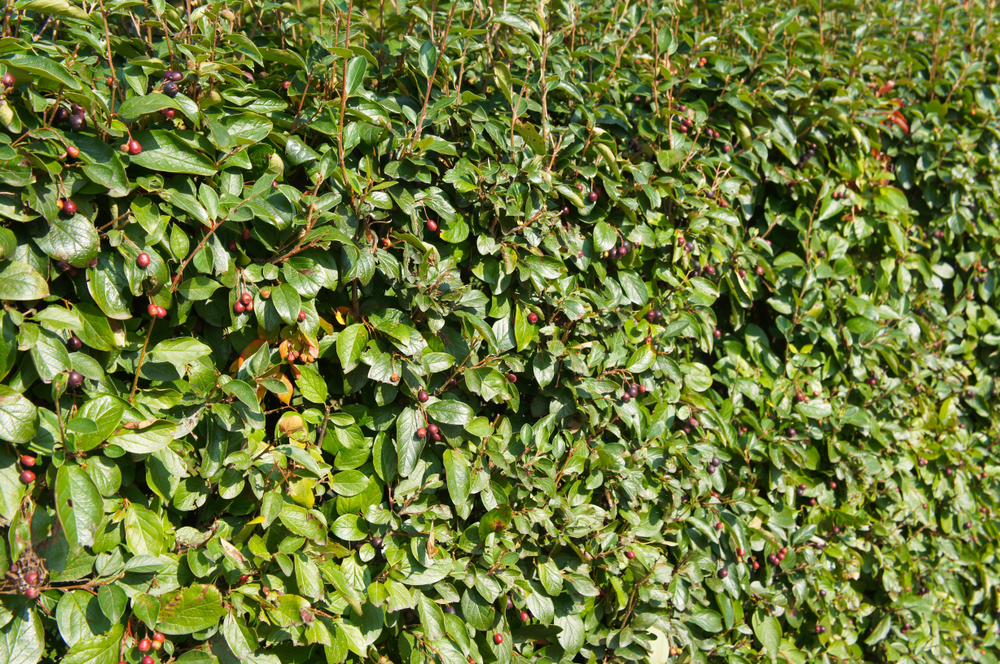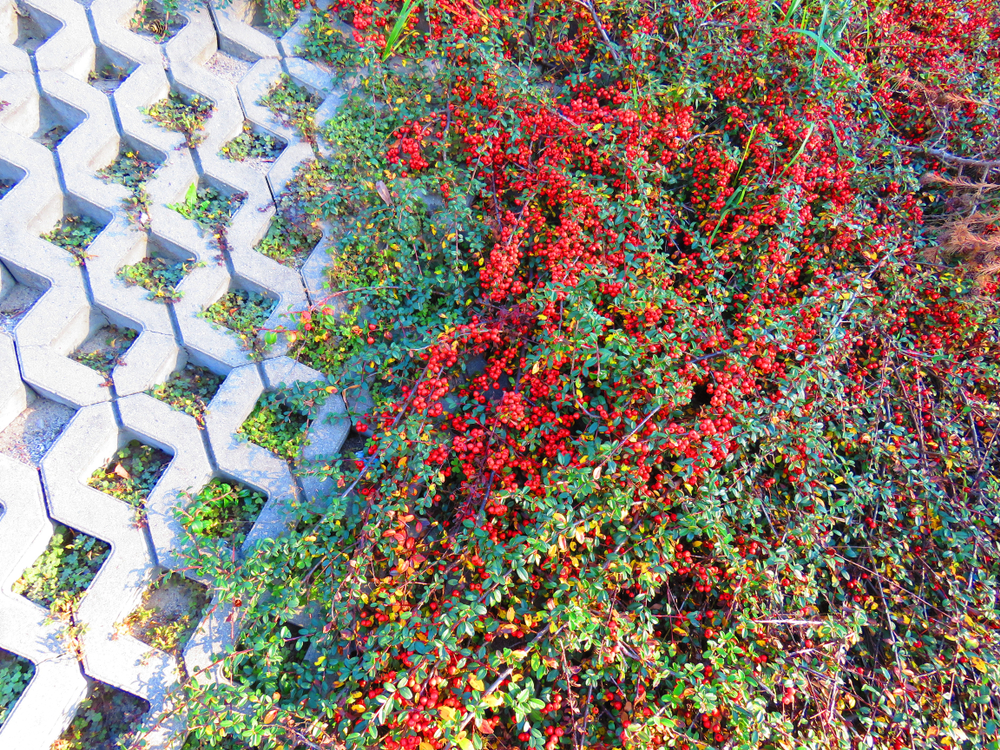
You’ll see Cotoneaster just about everywhere—from backyard gardens to roadside landscaping. Most gardeners absolutely love using them as a ground cover, and for good reason! These plants are super low-maintenance and look fantastic year-round.
The Ultimate Ground Cover
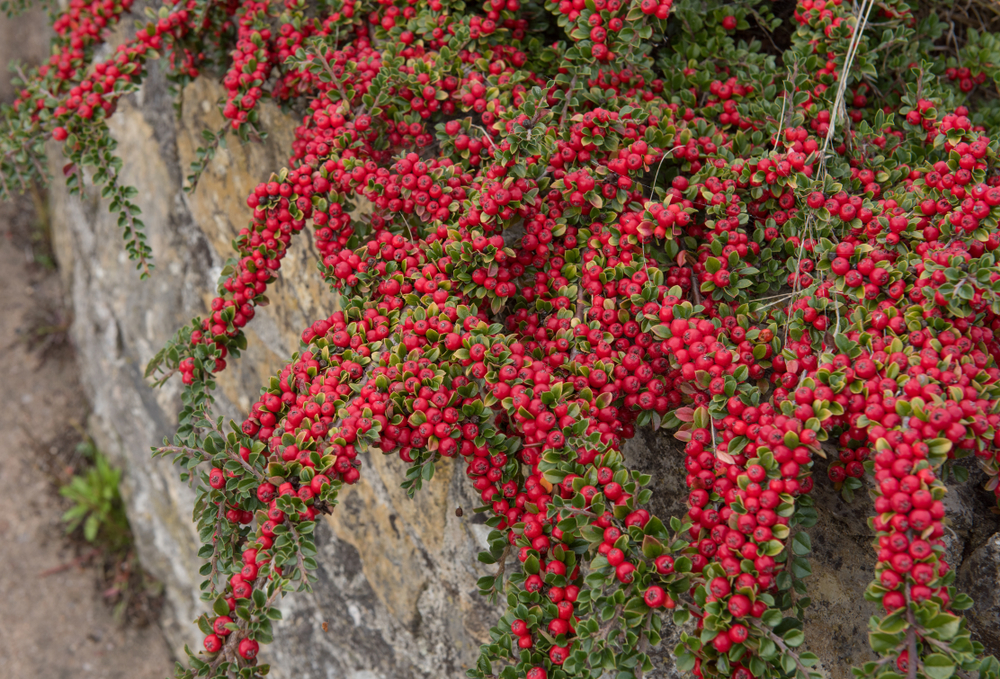
If you’re looking for something that fills in gaps, Cotoneaster is your best friend. It grows in a dense, twiggy pattern that creates a solid mat of greenery. As long as you get your planting distance right, these individual plants will eventually knit together into a lush carpet. They hug the ground closely and spread out steadily; you can usually expect about 4 inches of new growth per year.
They are a lifesaver for tricky spots like steep slopes or embankments, but they also look right at home in rock gardens or tucked between perennials. Honestly, you can use them as a “filler” just about anywhere. Even if your yard has less-than-ideal conditions—like a shady corner or poor soil—this plant is a total champ and will likely thrive anyway.
Low-Maintenance Beauty All Year Long
One of the best things about Cotoneaster is how tough it is. It’s fully hardy and can handle a brutal, frosty winter without breaking a sweat. Since it’s evergreen, your garden won’t look bare and brown during the off-season. Plus, it’s not needy at all. If it starts to wander a bit too far out of bounds, you can give it a quick pruning in April. It handles trimming really well, so don’t be afraid to tidy it up if it gets too unruly.
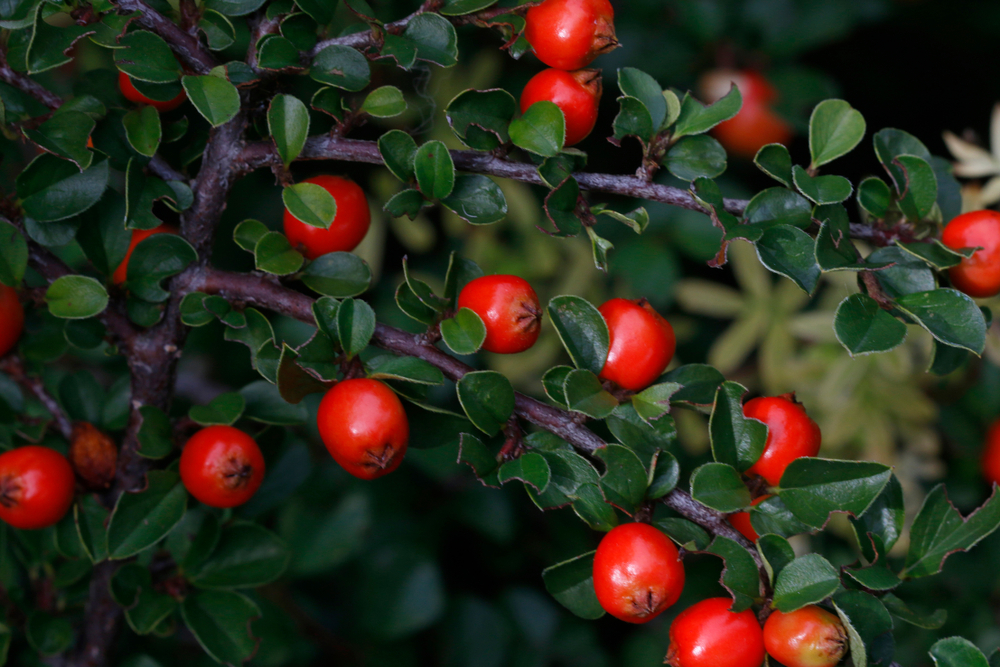
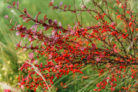
It’s not just a “green rug,” either—it puts on a real show! You get delicate white flowers in the spring followed by bright red berries that provide a gorgeous pop of color against the dark leaves. Just a quick heads-up, though: those berries might look tasty, but they are definitely not for snacking.
The plant is considered mildly toxic because it contains cyanogenic glycosides. Eating a bunch of berries can lead to some nasty symptoms, so make sure the kids know to leave them alone and keep an eye on your pets. This goes for the leaves and bark, too—better to enjoy this one with your eyes, not your taste buds!