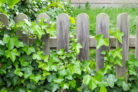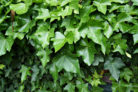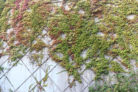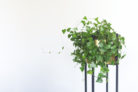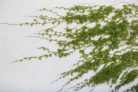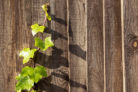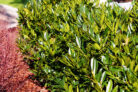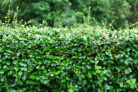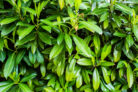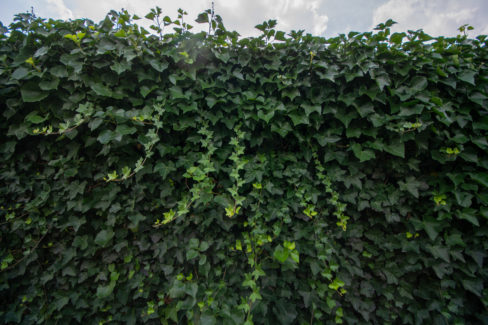
Ivy grows long, winding vines and weaves a lush blanket of countless leaves. Over time, it becomes so thick that it’s practically a living wall. It’s honestly the perfect “building material” for a hedge—and the best part? It stays green and functional all through the winter.
Think it over before you plant
An ivy plant can easily live for several hundred years. During that long life, it’s not a big fan of being transplanted. Instead, it uses its aerial roots to get a firm grip on its surroundings and just keeps on spreading. Once it’s established, it can be really tough to remove, and it can even cause some serious damage to brick or stone walls. You definitely want to weigh those factors before you get swept up in the (very real!) benefits:
- Ivy is evergreen, so your privacy screen stays intact all winter.
- It’s perfect for filling in those tricky shady spots.
- It’s a fast grower (usually after 2-3 years) and very hardy.
- You can prune it several times a year without any issues.
- It needs a little extra love at the start, but after that, it’s almost maintenance-free.
- It creates very narrow “walls,” making it a lifesaver for small gardens.
Quick heads-up:
There is one downside every gardener should know: Ivy is highly toxic, especially the berries that appear once the plant reaches its mature stage. While adults usually know better, these berries can be a real danger to small children and pets.
Choosing the right ivy and getting started
There are two main types of ivy that are popular for hedges: Common Ivy (botanically *Hedera helix*) and Atlantic or Persian Ivy (*Hedera hibernica*), which is often called Irish Ivy.
If you’re planning a long hedge, you’re going to need quite a few plants. To figure out your budget, plan on a planting distance of about 14–18 inches (35-45 cm) apart. You can find ivy pretty cheaply at most garden centers, or you can propagate it yourself at home using runners or cuttings. If you’re in a hurry, you can even buy “ready-to-go” ivy panels that are sold by the meter.
How to plant an ivy hedge
You can plant ivy almost any time of year as long as the ground isn’t frozen. However, the absolute best time to plant is in the spring. Fall is your second-best bet, but if you plant then, you’ll need to give the ivy some extra protection to help it overwinter during its first year. Here’s how to do it:
- Loosen the soil deeply and clear out any large stones or weeds.
- Dig a planting trench.
- If your soil tends to get waterlogged, put down a drainage layer first.
- If your soil is a bit “tired” or nutrient-poor, mix in some mature compost.
- If you don’t have one yet, set up a trellis or support structure. This can be wooden slats or wire mesh, but it needs to be sturdy enough to hold the weight of a heavy, mature ivy plant.
- Set your ivy plants in the trench and fill the gaps with soil.
- Give the hedge a good soak and tie any long vines to the support to get them started.
Care tips for a lush hedge
Once your ivy starts showing significant new growth, you should prune it to encourage it to branch out and get thick. Make sure to water the hedge regularly for the first 2-3 years—even on frost-free winter days—until it has established deep roots. Fertilizing isn’t strictly necessary, but if you feel the need, just a small amount every now and then will do the trick.