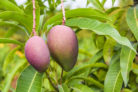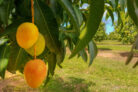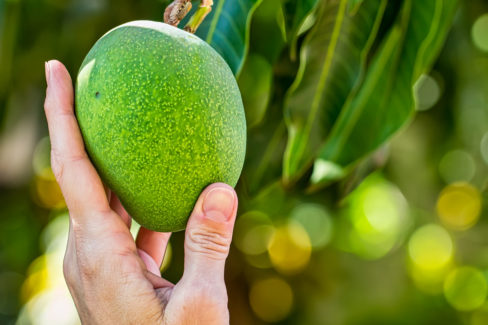
Mangoes are not only healthy and delicious, but the mango tree itself is becoming a real favorite for indoor gardeners. It’s a low-maintenance way to bring some tropical vibes right into your living room. The best part? All you really need to get started is a ripe mango.
Checklist: What You’ll Need
Growing your own mango tree is surprisingly easy. You don’t need much, and you probably have most of this lying around the house already. Here’s your shopping list:
- A ripe organic mango
- A large planter
- High-quality potting soil and a bit of compost
- Plastic wrap and a rubber band
- Distilled water or rainwater
That’s it! You’re ready to get planting today.
Step-by-Step Guide
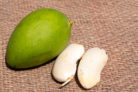
I highly recommend using a ripe organic mango. Conventional fruits are often treated with growth inhibitors that can prevent sprouting. You also want to make sure the fruit is fully ripe and hasn’t spent too much time in transit. The first step is the best part: eat the fruit! Once you’re done, clean any remaining pulp off the inner husk. Carefully pry the husk open with a blunt knife or a pair of scissors to get to the actual seed inside—this gives it the best chance of germinating.
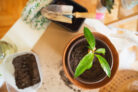
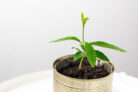
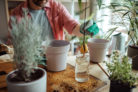
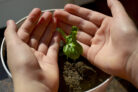
Now, tuck the seed into a pot filled with starter soil. You can use standard potting mix and stir in a little compost for nutrients. Water it carefully; you want to keep the soil consistently moist throughout the germination process. If you can, use rainwater or filtered water rather than hard tap water. Cover the pot with plastic wrap and secure it with a rubber band. This creates a mini-greenhouse that mimics the humid, tropical climate the mango loves.
Pro tip: Choose a large pot from the start. Mango trees grow long taproots and need plenty of vertical space. Since they don’t always handle repotting well, starting big helps you avoid transplant shock later. It takes about two years for the mango to grow into a sturdy, impressive plant. While it’s unlikely to produce fruit indoors (our climate just can’t match the consistent heat of its native tropical home), the lush green leaves will definitely give your home that vacation feel.
Finding the Perfect Spot
Mango trees crave warmth and high humidity. Many indoor gardeners find that a kitchen or a bright bathroom provides the perfect environment. If you want to keep yours in the living room, just make sure it’s in a sunny spot and give the leaves a regular misting with water. Once your tree is about two years old, it can spend the summer out on the balcony or patio. It can even handle direct sunlight once it’s acclimated!
The Bottom Line: Easier Than You Think
Growing a mango tree is a fun project that doesn’t require a green thumb. The only “tricky” part is carefully opening the husk to get the seed out. Other than that, as long as you can provide a little tropical warmth and humidity, you’ll be rewarded with a beautiful exotic plant that adds a touch of the tropics to your home.