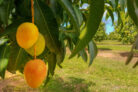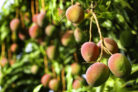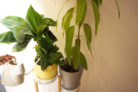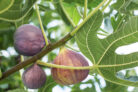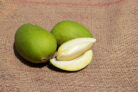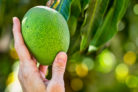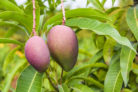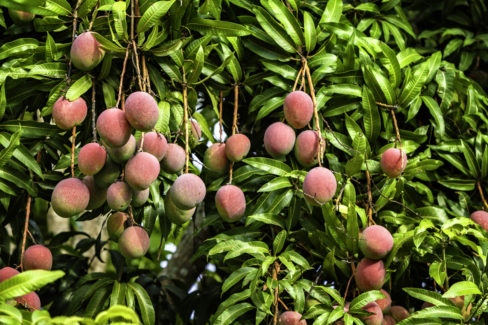
Not only is the mango a delicious treat, but more and more home gardeners are starting to grow mango trees as houseplants. If you want your tropical friend to thrive, getting the watering right is key. Here is everything you need to know to keep your mango tree happy.
Watering the Right Way
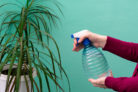
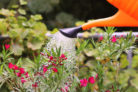
Since the mango is a tropical fruit, it loves a warm spot with plenty of humidity. In most cases, watering your plant once a week is plenty. However, to really mimic its natural environment, you should mist the leaves daily with lukewarm water. Unlike some other plants, mangoes don’t go into a dormant winter sleep, so you can keep up your watering and fertilizing routine all year round. These are the perfect conditions to grow a mango successfully.
The biggest “don’t” is letting the plant sit in standing water. Mangoes are prone to root rot if they get too soggy, so don’t overdo it. You can prevent moisture buildup by choosing the right pot: it needs a drainage hole and should be quite deep, as mangoes grow long taproots. A pro tip is to place a few stones over the drainage hole before adding your soil. Once that’s set, you’re ready to plant your mango.
The Best Type of Water
To keep your tree in tip-top shape, try to use soft water (low in lime/calcium). Hard water can leave mineral deposits on the leaves that actually make it harder for the plant to “breathe,” not to mention those unsightly white spots.
If your tap water is on the harder side, you can use a water filter or let the water sit out for about a week before using it to help reduce the lime content. Of course, the gold standard is rainwater—if you can collect some in the garden, your mango tree will definitely thank you!
Quick Summary
If you’re looking to cultivate a mango tree in your home, just follow these simple rules of thumb to stay on the safe side:
- Water once a week
- Mist the leaves daily
- Avoid standing water (no “wet feet”!)
- Use a deep pot with good drainage
- Ensure water can flow out easily
- Use soft water or rainwater whenever possible